EN
EN  PT_BR
PT_BR 
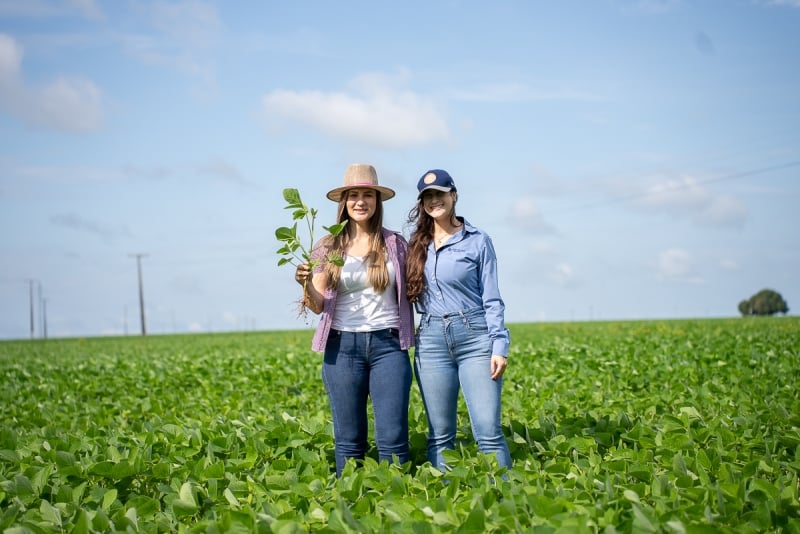
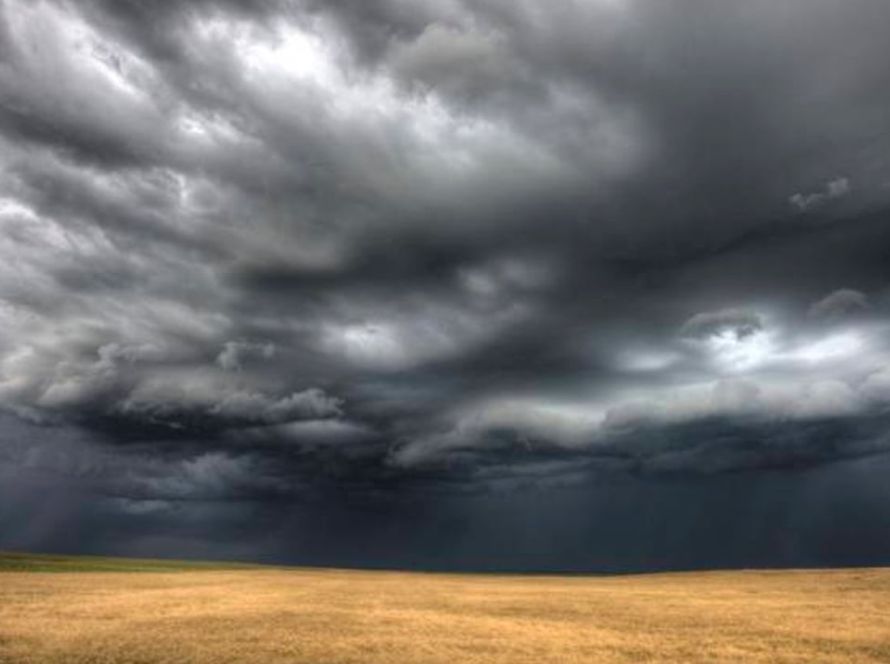
Dry weather and lack of rain persist throughout the state. Mato Grosso Clima e Mercado concluded its first week of coverage with complaints of a lack of regular rainfall and delays in planting. Even traveling a few kilometers down the BR-163 highway, the sun doesn't let up, and farmers continue to report the drought affecting the region. This Friday (November 21st), Aprosoja MT spoke with three more rural producers from the Lucas do Rio Verde and Nova Mutum regions.
The first stop of the day was in Lucas do Rio Verde, where rural producer Ildiana Romancini reported to the coordinating delegate of the Lucas do Rio Verde unit, Taisa Botton, that planting was delayed due to lack of rain. She said that planting began on October 10th and had to be paused due to the lack of rain.
“It was quite complicated, we had a lot of lack of rain here at the beginning. We always planned to start planting in September, we began on October 10th and we will actually finish on October 16th. We had to stop because it really wasn't raining and then these concerns always arise. So we started on the 10th, stopped for a minute and then on the 16th we managed to finish,” he reports.
Romancini also highlighted concerns about the accumulation of rain in December and January, which could compromise the harvest and the entire logistics of storage. She emphasized that the storage problems are the same every year, and there is a greater volume of activity.
“We know that all the trends are indicating that January will be a really rainy month. So there's already a lot of concern, the producer is already starting to worry. And if it rains a lot, it delays everything: trucks, lines at warehouses, and the harvest itself in the fields,” he says.
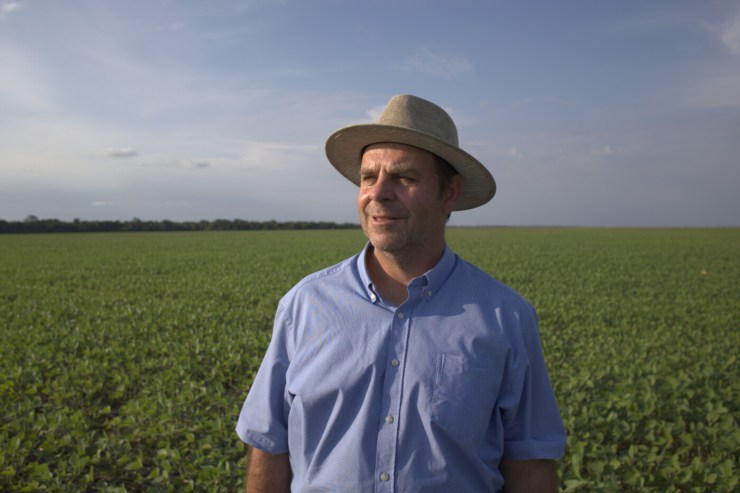
Traveling a few kilometers down BR-163, in Nova Mutum, farmer Henrique Badan told MT Clima e Mercado that he is also suffering from the irregular rainfall and that he can no longer afford to make mistakes, lest he risk having to replant his soybeans.
“It hasn’t rained for 15 days, but today there’s a very good forecast for rain, and that’s necessary so we can move forward with the crops and also help with the corn planting window, which is the next crop here. Our production costs are quite high today. Replanting would cause us a lot of losses, so we can’t afford to make mistakes,” he laments.
Badan expects a yield of over 60 sacks of soybeans per hectare, but this requires rainfall in the region. In addition to the drop in productivity, the farmer highlighted the decrease in profits, as the plant cannot reach maximum productivity without the correct moisture.
In Diamantino, the delegate from the Nova Mutum district, Marcos Sfredo, also reported the lack of rain in the region. He stated that the fields went 18 days without rain, which compromised the first planting.
“Here on the property, we started planting at the end of September, around the 25th, and managed to plant a relatively good area, about 25% more or less. We decided to stop because of the limitations at the beginning of October, which were a bit below average; there was no rain. And it turned out we were right, because it only started raining again in the region in the second half of the month. The soybeans suffered a lot; they went 18 days without rain, so their growth was slow, and they developed later than usual,” he explains.
Sfredo also mentioned that soybean productivity is not adequate, as the lack of rain has prevented the plant from developing properly. Despite this, he remains optimistic, believing that it will not be as bad as expected, but that it will not meet expectations for the harvest.
“Here, because of the low rainfall during planting, we've already seen that the plants didn't form the position we wanted. For example, we planted 13 seeds per meter, and only 9 or 8 sprouted. So there are places where we know for sure that the potential isn't as high anymore. Not that it will be a bad harvest, but it won't be what we expected,” he says.
With these three additional producers, Aprosoja MT listened to producers from 8 regions in this first week of coverage and traveled more than 2,456 km in the state. In the coming weeks, MT Clima e Mercado will explore the reality of 24 more regions to see firsthand the situation of rural producers at the beginning of the 2025/26 harvest.