EN
EN  PT_BR
PT_BR 

SÃO PAULO (Reuters) – Inpasa, one of the largest grain ethanol producers in Latin America, announced the start of construction of its new unit in Rio Verde (GO), where it will invest R$2.4 billion.
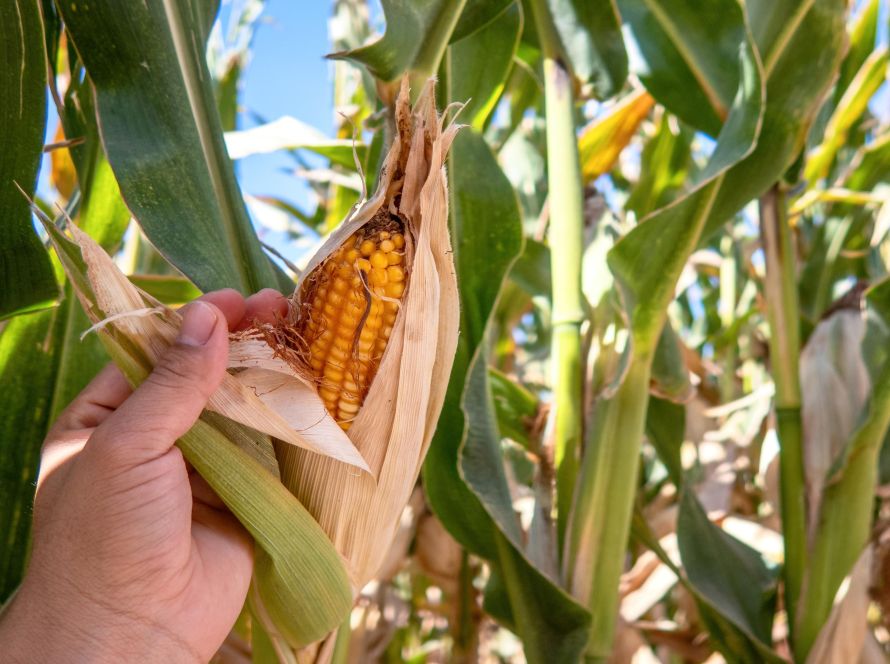
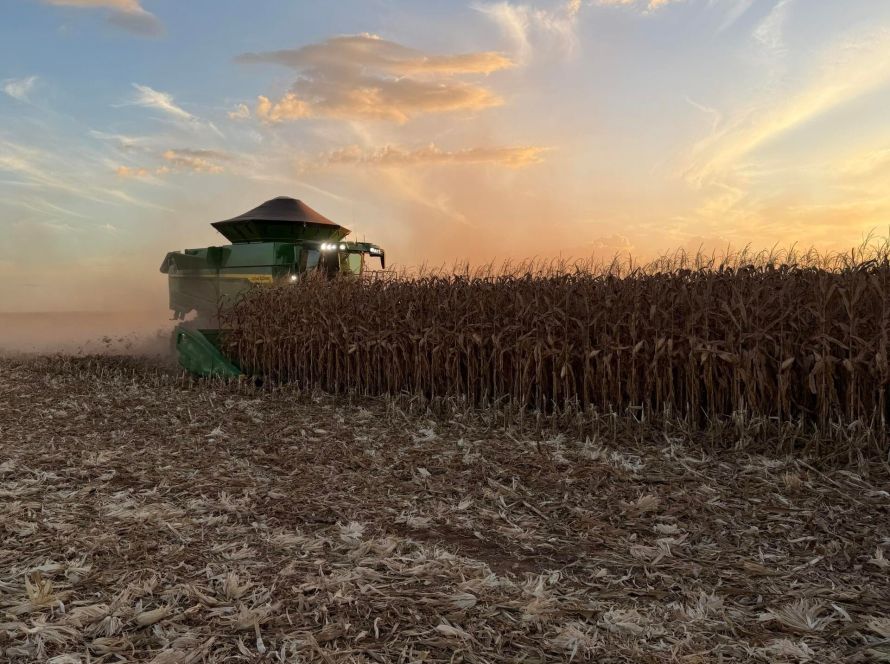
The new plant will be the company's ninth and the first in the state of Goiás, strengthening the integration between agriculture, energy, and industry, the company highlighted, which plans to inaugurate it in the first quarter of 2027, according to a statement published by the company this Friday. Inpasa plans to use corn, sorghum, and other grains.
The plant is designed to have an annual capacity to process 2 million tons of grain, resulting in the production of 1 billion liters of ethanol, 490,000 tons of DDGS (protein feed for cattle, pigs and poultry), 47,000 tons of vegetable oil and an estimated generation of 345,000 GWh of electricity from biomass.
According to the president of Inpasa, Éder Odvar Lopes, the choice of Rio Verde reflects a "strategic decision based on the municipality's logistical infrastructure, the strength of regional agricultural production, and the innovative vocation of Goiás' agribusiness."
Founded in 2006, Inpasa began its operations in Paraguay and today operates seven industrial units — five in Brazil and two in Paraguay — in addition to having a plant under construction in Luís Eduardo Magalhães (BA).
In Brazil, the company has operating units in the states of Mato Grosso (Sinop and Nova Mutum), Mato Grosso do Sul (Dourados and Sidrolândia), and Maranhão (Balsas), in addition to the plant under construction in Bahia.
With an installed capacity to produce 6.2 billion liters of ethanol per year, the company also generates 3.3 million tons of DDGS, 312,000 tons of vegetable oil, and 1,513 GWh of renewable electricity, according to a company statement.
(By Roberto Samora)