EN
EN  PT_BR
PT_BR 
The Brazilian Association of Animal Protein (ABPA) celebrates two new advances announced this Tuesday by the Minister of Agriculture and Livestock, Carlos Fávaro: the adoption of the pre-listing system for egg exports to the European Union and the unprecedented opening of the Suriname market to Brazilian pork.
The decision regarding the pre-listing of eggs establishes the mechanism that allows Brazil to directly nominate and authorize exporting establishments to the European bloc, according to technical criteria agreed upon with the European Union authorities. Last week, the European Union reinstated the system for chicken meat, also led by Minister Fávaro and his team.

President of the Brazilian Association of Animal Protein (ABPA), Ricardo Santin: “With an average per capita consumption of between 220 and 225 eggs per inhabitant, Europe is a mature and highly qualified market, guided by demands in sustainability, animal welfare and traceability” – Photo: Press Release/Alimenta
According to the president of ABPA, Ricardo Santin, the adoption of the model by the European Union reiterates confidence in the Brazilian inspection system and the predictability of national sanitary control. According to data from the European Commission, the bloc is the world's second largest importer of eggs and egg products, with 122,000 tons imported in 2024.
Between January and July 2025, imports to the bloc reached 100,000 tons, an increase of 47% compared to the same period of the previous year. “With an average per capita consumption of between 220 and 225 eggs per inhabitant, Europe is a mature and highly qualified market, guided by demands in sustainability, animal welfare, and traceability. The new pre-listing will allow more Brazilian industries to qualify to export to the bloc, adding value to national production and strengthening Brazil's image as a supplier of safe and sustainable food. The adoption of pre-listing for eggs reinforces the relationship of technical trust between Brazil and the European Union and is another direct result of the strategic work of Minister Carlos Fávaro and his team, led by Secretary Luís Rua and the Secretary of Agricultural Defense, Carlos Goulart. This is a recognition of the Ministry's technical competence and the credibility of our sanitary system, which opens new opportunities for the Brazilian poultry chain,” he highlighted.
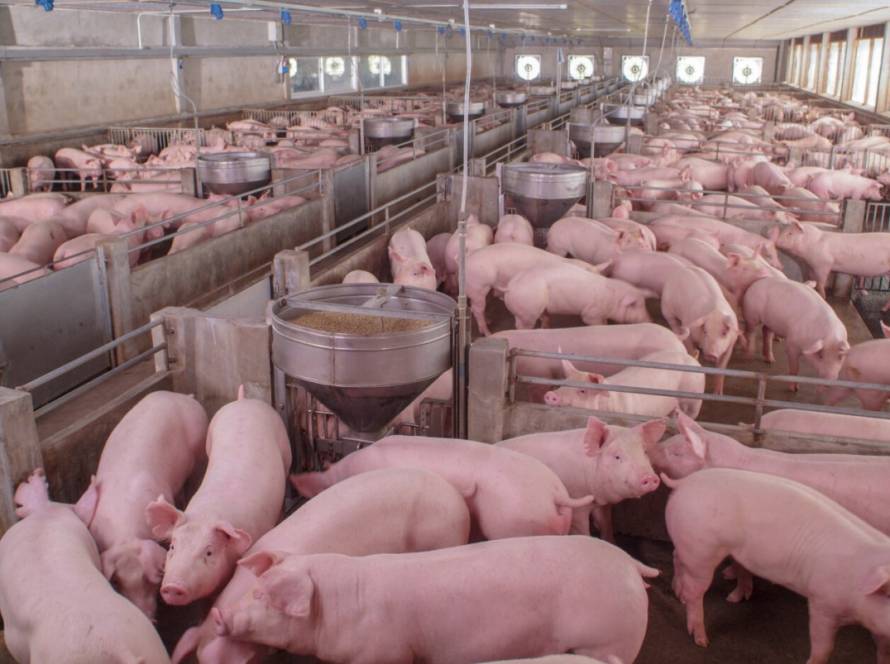
At the same event, Minister Fávaro announced the opening of the Suriname market to Brazilian pork, an unprecedented step in trade relations between the two countries. The authorization will allow Brazil to export fresh and processed pork to the country, which has approximately 630,000 inhabitants and a high dependence on imports for its animal protein supply. Until this authorization, Suriname did not import pork from Brazil. Local per capita consumption is estimated at 7.74 kilograms annually (2021 data).
Furthermore, Suriname already maintains a regular flow of imports of Brazilian chicken meat, with an annual average of 3,000 tons, which should facilitate the entry of national pork products and expand trade with the neighboring country. “Suriname is a new and promising destination for Brazilian pork protein. This unprecedented opening reflects the excellent technical and diplomatic work conducted by the Ministry. It is an achievement that demonstrates the credibility of the Brazilian sanitary system and the capacity of our pig farming industry to access diversified markets with quality and regularity,” emphasizes Santin.