EN
EN  PT_BR
PT_BR 
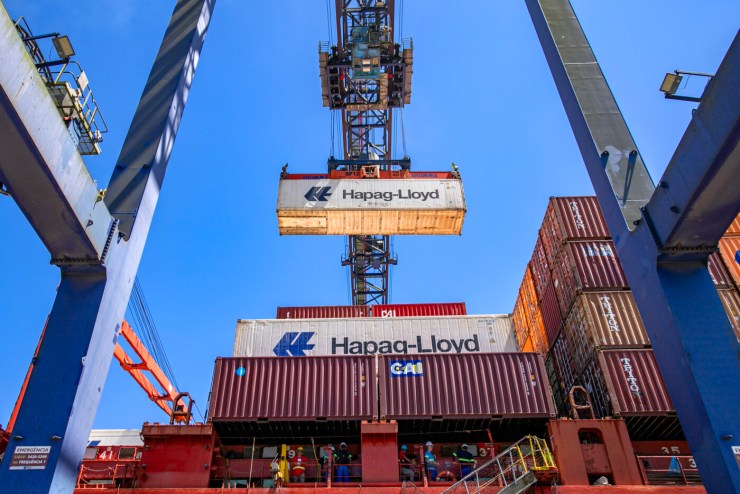
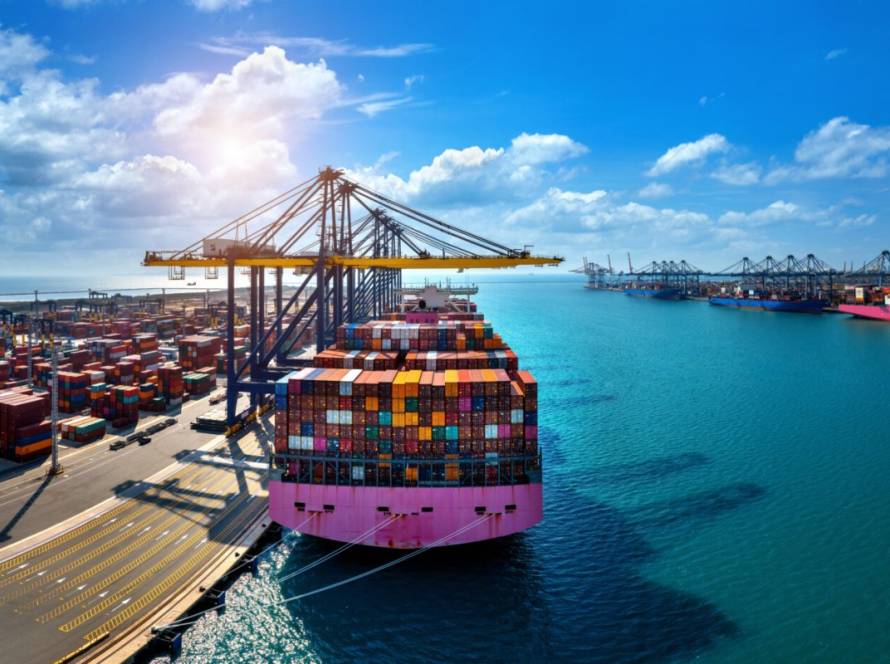
November brought an important signal for Brazilian agribusiness. Even with more moderate international prices, the sector's exports reached US$13.4 billion, a 6.2% increase over the previous year, driven by a higher volume shipped (+6.5% of the previous year). The data, released by the Ministry of Agriculture and Livestock (Mapa), reinforce that the country continues to expand its global presence, but also highlight a critical point: sustaining results in a scenario of unstable weather and increasing disease pressure depends on ever-greater efficiency within the fields.
From January to November 2025, Brazil reached US$155.25 billion in agricultural exports, the highest value ever recorded for the period. China leads the purchases, with US$52.02 billion, followed by the European Union (US$22.89 billion) and the United States (US$10.48 billion). Strategic markets such as India (+11%) and Mexico (+8.5%) increased acquisitions, while the trade liberalization of recent years, responsible for 500 new markets since 2023, according to MAPA, boosts products that previously had less international participation.

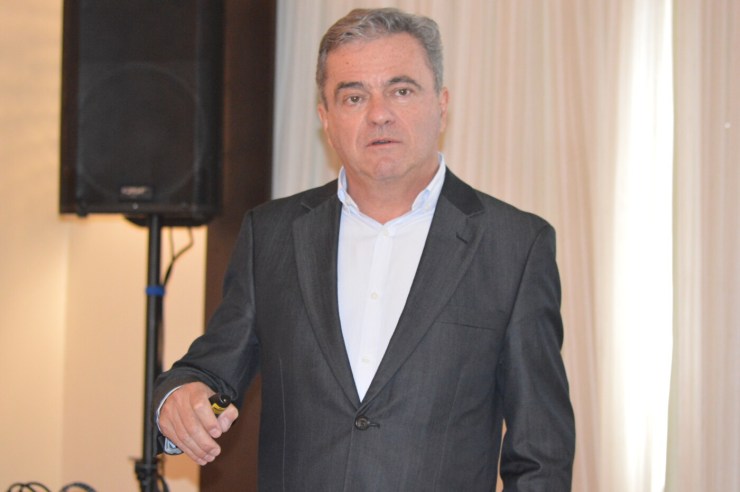
This growth, however, occurs in a challenging productive environment. Studies by Embrapa indicate that the incidence of agricultural diseases should intensify by 46% by 2100, especially in crops such as soybeans, coffee, vegetables, and fruits. Agronomist Thiago Grimm, a specialist in Agricultural Management and Technologies, emphasizes that in years of greater sanitary pressure, management failures and drift can compromise productivity by up to 90%. "Extreme climatic events intensify the cycle of pests and diseases, requiring greater precision in the use of inputs and in the protection of productive areas," he points out.
November's performance reinforces this interpretation. Soybeans totaled US$1.83 billion (+64.6%), while green coffee reached US$1.5 billion (+9.1%), both with strong volume increases. Cellulose registered US$939.2 million (+8.6%) and 1.85 million tons exported (+14.3%), and cotton reached US$640.1 million (+18.6%) and 402,500 tons (+34.4%), according to Mapa.
Beans, pulses, and sesame seeds are also on an expansion trajectory, driven by entry into markets such as Russia, Lebanon, Costa Rica, Peru, China, South Korea, Malaysia, and South Africa. In November, sesame seeds reached a historic record, with US$70.9 million exported and 72,300 tons shipped.
Although they operate in distinct segments, all these chains share the same dependence on regularity, quality, and sanitary compliance to sustain competitiveness. “It is at this point that application engineering becomes crucial, even though it is a less visible link in the production process. When there are failures in droplet formation, underdosing, or limited coverage, the efficiency of phytosanitary treatments decreases, increasing drift, raising costs with reapplications, and increasing resistance pressure in crops,” emphasizes Grimm.
This pursuit of efficiency becomes even more relevant at a time when new buyers are imposing stricter standards and increasing demand for traceability, regularity of supply, and products with less sanitary variability. To compete globally, Brazil needs to reduce losses in the field, optimize the use of inputs, and strengthen technologies that allow it to cope with the climate and the growing pressure of diseases.
Application engineering is consolidating itself as one of the structural foundations of Brazilian agribusiness. It is this engineering that, almost invisibly, ensures that each ton exported meets the technical requirements that underpin the country's place among the world's largest suppliers of food, fiber, and energy.