EN
EN  PT_BR
PT_BR 
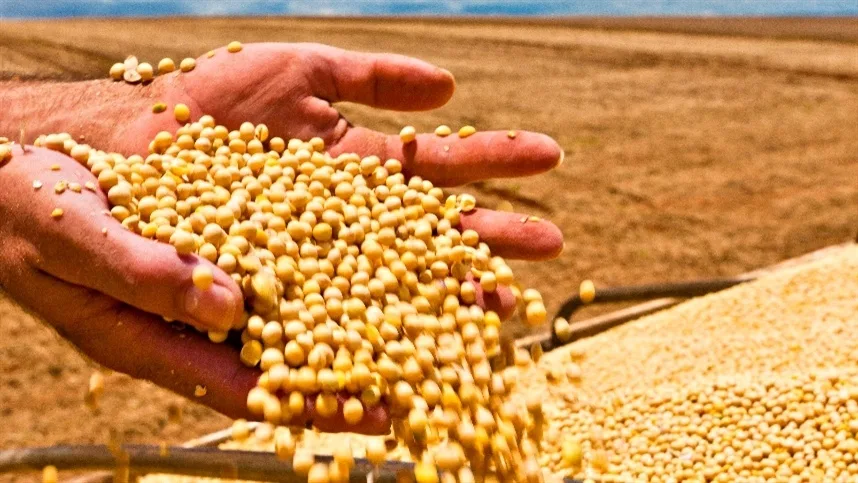
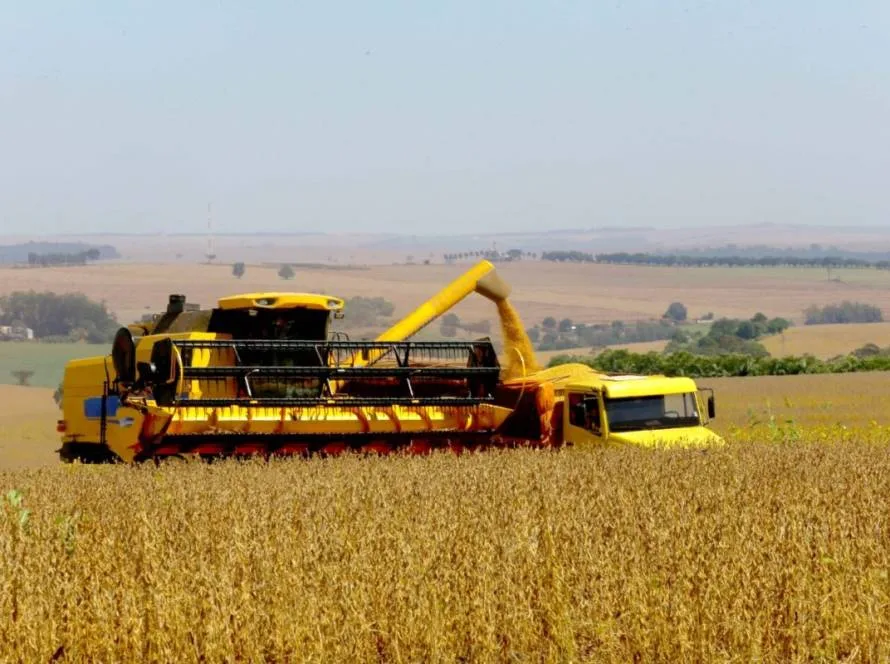
Brazil is on track for a record harvest of 178 million tons, despite initial planting delays and climate risks associated with La Niña (69% probability until January). Exports are expected to close 2024/25 at 109 million tons, supported by Chinese demand.
Low domestic margins are limiting crushing and putting pressure on premiums, while sales remain slow (only 25% of the new crop sold). Planting delays could shift Chinese demand to the US until the end of January. “Brazil has the potential to consolidate its leadership, but the weather and slow sales require strategic attention,” highlights Luiz Fernando Roque, Market Intelligence Coordinator at Hedgepoint Global Markets.
Soybeans – Brazil – Production (M tons), Harvested Area (M ha) and Productivity (tons/ha)


Argentina's leading role in derivatives
Argentina surprised with high exports in 2024/25 (12 million tons), benefiting from Chinese demand and a temporary reduction in taxes. For 2025/26, a smaller area and production are expected (48.5 million tons), but the country should maintain its leading role in exports of soybean meal (30 million tons) and soybean oil (7 million tons). "Argentina is reinforcing its position in the derivatives market, even with lower grain production. Competition with Brazil and the USA will be intense," he states.


Strong demand from China, but with tight margins.
China continues to drive global demand, projecting record imports of 112 million tons and increased crushing to 108 million tons. However, the strategy of maintaining high stockpiles (44 million tons, guaranteeing four months of consumption) reduces the urgency for purchases.
Negative margins in crushing and historically high port inventories are limiting the pace of demand. Recent purchases of American soybeans indicate more of a political than an economic move, since US soybeans remain less competitive compared to Brazilian and Argentinian soybeans. "China continues to be a key player in the global balance, but its policy of tight inventories and margins could alter the pace of purchases, impacting prices and premiums," he states.


Soy – China – Supply and Demand (M ton)

Lower production in the United States, but record crushing.
The US harvested a smaller crop than expected, revised to 115.8 million tons, due to reduced planted area, despite record productivity. Exports fell to 44.5 million tons, about 7 million tons below the previous year, reflecting the absence of Chinese exports until October.
On the other hand, crushing remains strong, supported by exports of soybean meal and oil and by expectations of changes in biofuel policy (EPA proposal). If approved, it could reduce oil stocks and raise domestic prices. Chicago broke through the US$ 11.30–11.40/bu range, with room to reach US$ 12/bu. “The American market is showing resilience in crushing, but depends on China to sustain exports. The EPA proposal could be a game-changer for prices and margins,” he comments.
Soybeans – USA – Production (M tons), Harvested Area (M ha) and Productivity (tons/ha)

Palm Oil – Stability with logistical risks in Indonesia and Malaysia
Indonesia and Malaysia remain global leaders, with a trend towards increased production and exports in 2025/26. India and China are expected to expand imports, while La Niña could affect logistics in Southeast Asia (above-average rainfall). The spread between soybean oil and palm oil has narrowed again, reducing the competitiveness of the palm byproduct. Any logistical disruption could generate volatility in prices and spreads. "The palm oil market appears stable, but logistical risks and changes in spreads could generate global volatility," says the analyst.