EN
EN  PT_BR
PT_BR 
The progress of planting for the 2025/26 summer crop has been affected by unstable weather conditions in several regions of the country. According to data from Itaú BBA Agro, the states in the Central-West and Southeast regions registered the greatest delays, reflecting a combination of isolated rain showers, poor rainfall distribution, and prolonged periods of drought. This scenario kept soil moisture levels below ideal, hindering the pace of sowing until the beginning of November.
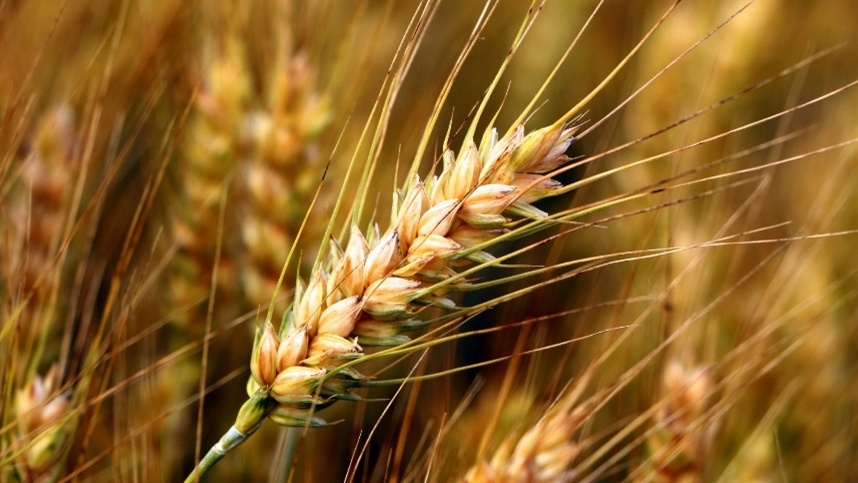
Meanwhile, other regions showed different performance. The most intense rainfall was concentrated between northern and southern Brazil, particularly in the central-west of Paraná, western Santa Catarina, and northern Rio Grande do Sul, where volumes exceeded 150 mm in October alone. In these areas, higher water storage favored the progress of planting, although episodes of hail and storms caused damage to some crops. The wheat harvest also suffered delays and, in certain areas, losses in quality.

Photo: Jose Fernando Ogura
In the Central-West region, rainfall distribution varied significantly throughout October. Regions such as northwestern and central Mato Grosso, as well as southern Mato Grosso do Sul, received volumes exceeding 120 mm, while other areas did not surpass 90 mm. Only at the beginning of November did the pattern begin to show greater regularity.
In the Southeast, São Paulo, Rio de Janeiro, and Espírito Santo recorded rainfall that helped replenish soil moisture. Minas Gerais, on the other hand, faced below-average accumulations—especially in the Cerrado Mineiro region, where October ended with less than 40 mm of rain. With the resumption of rainfall in November, a new coffee flowering occurred, although the effects of the prolonged drought continue to generate concern among producers.
Irregular rainfall patterns continue to be a determining factor in the pace of the harvest and keep the sector on alert for the coming months.