EN
EN  PT_BR
PT_BR 
With the harvest practically complete and high quality standards, the Brazilian wheat market enters the end of the year with a comfortable supply. However, the external scenario continues to put pressure on prices, given the increase in global projections, robust stocks, and intensified competition from Argentina, which is heading towards a record harvest and adopting measures to stimulate exports.
In Brazil, 98% of the wheat area had been harvested by December 5th, according to the National Supply Company (Conab). In the two main producing states, Rio Grande do Sul and Paraná, the index reaches 99%. In Santa Catarina, the harvest is progressing at a slower pace than the historical average, but has gained momentum with improved weather conditions. Productivity was considered positive, and the high quality standard of the cereal ensures a secure domestic supply.

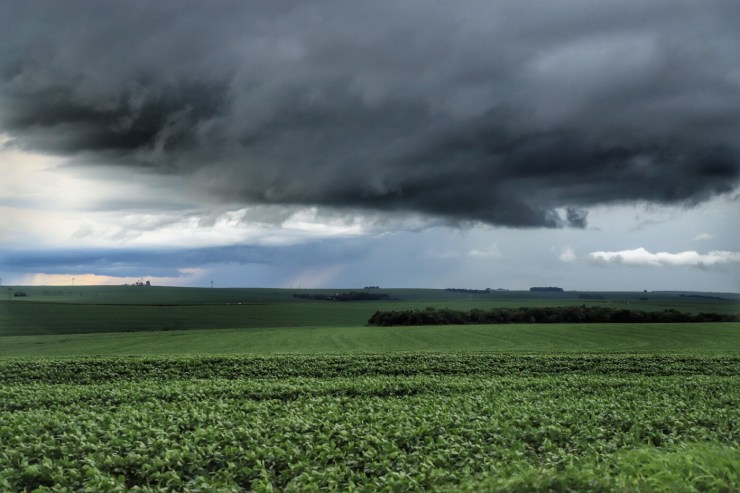
Photo: Disclosure/OP Rural
In the international market, the United States Department of Agriculture (USDA) revised upwards, once again, its global wheat production forecast for the 2025/26 crop year, from 829 million to 838 million tons—a volume approximately 51 TP4T higher than the previous season. Estimates for the European Union and Argentina were also raised, with increases of 181 TP4T and 301 TP4T, respectively, compared to the last crop year. Global stocks were higher than expected, rising from 271 million tons in the November report to 275 million in December, which increased the stock-to-consumption ratio and is likely to maintain pressure on international prices.
In Argentina, the harvest is progressing with positive prospects. As of December 3rd, 45.31 TP4T of the area had been harvested, according to the Bolsa de Cereales. The crops are in excellent condition, although the low protein content compromises the value of the product. Even so, production has been revised upwards again, estimated at 27.7 million tons, a new historical record.
To strengthen the competitiveness of the agribusiness sector, the Argentine government reduced export taxes on wheat from 9.5% to 7.5%. The increase in exportable surplus, coupled with the stimulus to foreign sales, should intensify the entry of Argentine wheat into the Brazilian market, increasing competitive pressure on the national cereal.