EN
EN  PT_BR
PT_BR 
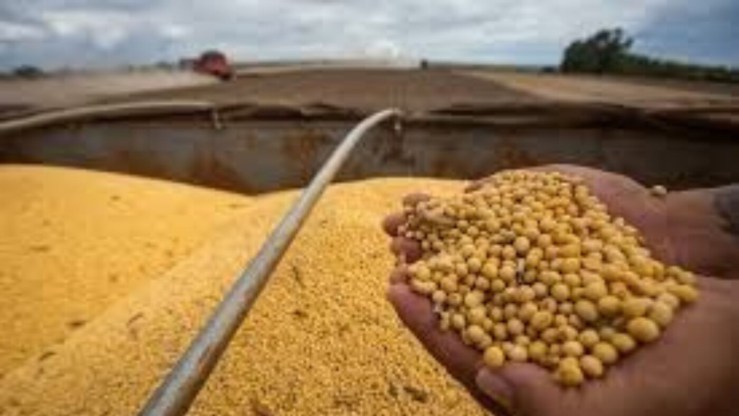
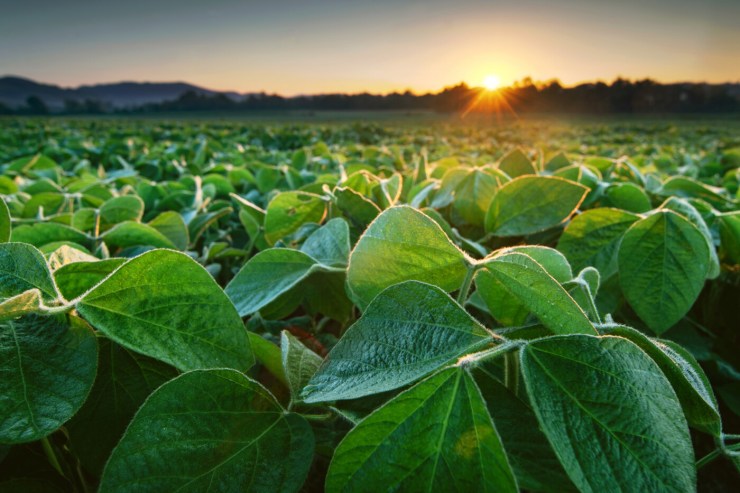
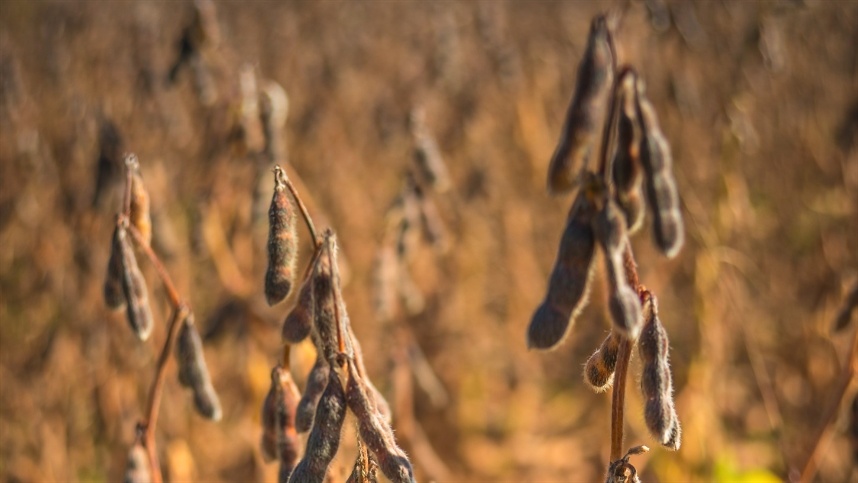
The National Supply Company (Conab) projects a further increase in soybean production, the country's main crop, by 3.6%, estimated at 177.67 million tons in the 2025/26 harvest. This increase is influenced by the expansion of the planted area for the grain and the recovery of productivity in Rio Grande do Sul, and is expected to reach another production record, reinforcing Brazil's position as the world's largest producer in this segment.
But the importance of soy goes far beyond food production: it is an extremely versatile resource, capable of generating products that directly impact the economy, industry, and people's daily lives. In the food sector, it is the basis of several items used daily in consumption, such as oil, flour, textured protein, plant-based milk and derivatives, which meet both traditional diets and the needs of vegetarian and vegan diets. "Its high-quality protein is essential in human nutrition and also plays a strategic role in animal feed, being a key component of cattle, pig and poultry feed," explains agronomist Luis Schiavo.

Photo: Disclosure/OPR Archive
Beyond the food industry, soybeans have significant industrial applications. Soybean oil, for example, is a raw material for the manufacture of biofuels, lubricants, and even cleaning products such as detergents and soaps. The cosmetics industry also benefits from its components, which are used in moisturizers, shampoos, and other personal care products.
The sustainable potential of soybeans deserves highlighting. Its use in biodiesel production helps reduce dependence on fossil fuels, contributing to a cleaner energy matrix and reducing greenhouse gas emissions. “It’s much more than just a grain: it connects agriculture, industry, and sustainability. Investing in innovation in the soybean supply chain means creating opportunities for different sectors and generating economic and environmental value simultaneously,” says Schiavo.
Because of its versatility, soybeans have the ability to transform natural resources into multiple solutions, meeting human and industrial needs in an intelligent and sustainable way. "More than just a grain, it represents a strategic asset for Brazil, combining agricultural productivity, technological innovation, and a commitment to sustainability," he emphasizes.