EN
EN  PT_BR
PT_BR 
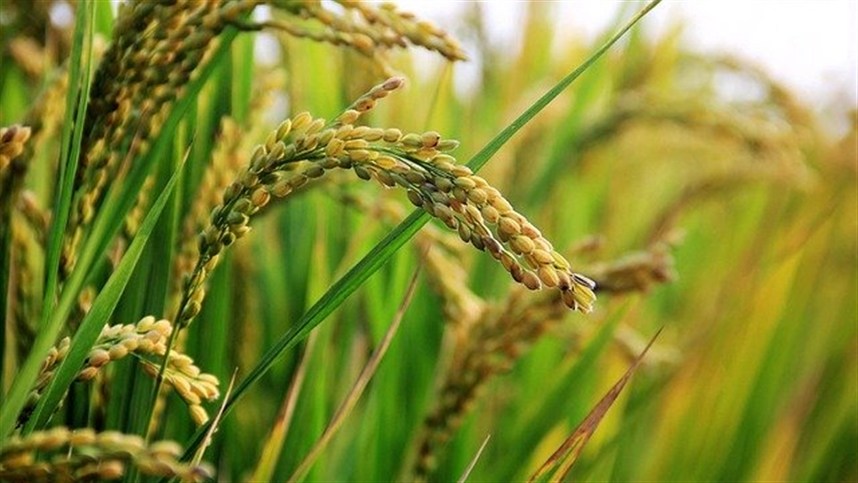
The price of rice The price of 50-kilogram bags of soybeans rose by 22% in Rio Grande do Sul between July 1st and August 13th, going from R$ 60.33 to R$ 73.60. According to data released by Itaú BBA's Agro Consulting firm, the increase is occurring amidst a gradual reduction in supply, tighter inventories, producers retaining volumes, and a greater need for replenishment by the industry.
The price increase is occurring in a context of lower rice availability in the domestic market. According to data released by Itaú BBA's Agro Consulting firm, producers have been withholding part of the volumes, while the processing industry is showing a need for replenishment. With a tighter supply, buyers have become more active in the market, contributing to the recovery of prices.
In addition to current fundamentals, the market is beginning to incorporate the outlook for the 2026/27 crop, which points to a further reduction in Brazilian production and lower regional availability in Mercosur.
Exports also contribute to reducing the surplus of rice available in the Brazilian market. According to data released by Itaú BBA's Agro Consulting firm, shipments fell in July, but the accumulated volume since January reached 1.2 million tons, an increase of 25% compared to the same period last year. The appreciation of the dollar increased the competitiveness of Brazilian rice in the international market and provided additional support to domestic prices.
El Niño has begun to influence market expectations regarding the future supply of rice. The phenomenon has increased the perceived risk to national production and helped to support prices. Given the potential climatic impacts on production, the National Supply Company (Conab) announced the acquisition of 310,000 tons of rice through the Minimum Price Guarantee Policy (AGF).
According to data released by Conab, the measure aims to reinforce public stocks and create a mitigation mechanism in the face of potential climate impacts. Removing this volume from the market tends to reduce part of the available surplus and contribute to the balance between supply and demand. On the other hand, the initiative may also encourage producers to retain more stocks during the market rebalancing process.
The next harvest is gaining prominence in the expectations of industry players, mainly due to the possibility of reduced production and carryover stocks. According to an analysis by Itaú BBA's Agro Consulting, these factors could alter market fundamentals throughout the 2026/27 harvest. “The continuation of the price increase will depend mainly on the speed at which these surpluses are absorbed during the off-season, the performance of exports, and the maintenance of a more restrictive stance by producers in marketing. The market is increasingly focusing its attention on the next harvest, marked by the expectation of reduced production and a significant drop in carryover stocks, factors that could make the fundamentals more favorable throughout 2026/27,” says Marina Marangon, analyst at Itaú BBA's Agro Consulting.
The scenario, therefore, combines lower current availability, increased activity from buyers, export performance, and concern about the effects of climate on the next harvest.