EN
EN  PT_BR
PT_BR 
Brazilian exports to the United States fell 141% in May compared to the same month in 2025, the Ministry of Development, Industry, Trade and Services (Mdic) announced last Wednesday (03). Since August of last year, when tariffs imposed by the Donald Trump administration came into effect, sales to the US market have been declining.

Photo: Shutterstock
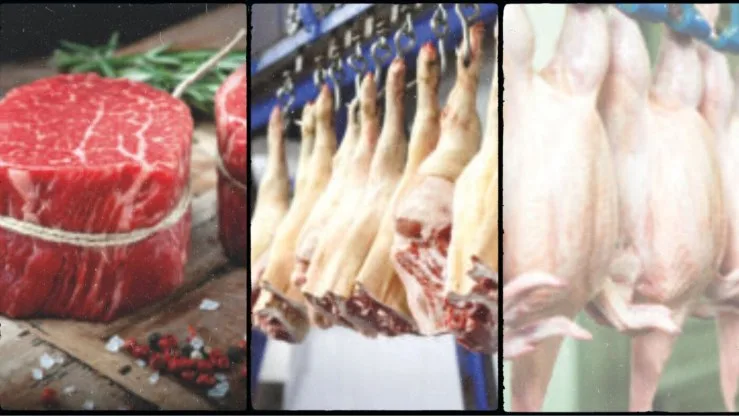
Despite the drop, the Director of Statistics and Foreign Trade Studies at the Ministry of Development, Industry and Foreign Trade (MDIC), Herlon Brandão, says that the numbers do not yet allow us to conclude that there has been a structural change in the trade relationship between the two countries. “It’s too early to talk about structural change. Flows in foreign trade take time to adapt; it depends a lot on the composition of the trade agenda. Some goods made to order suffer a greater shock, but commodities and food do not, as is the case with a large part of the trade agenda with the United States, with oil, pulp, fuel, meat, and coffee. There is a moment of increased costs, which may cause a contraction in the flow, but it can recover quickly,” stated Brandão.
He emphasized that the rate of decline in exports to the United States has slowed in recent months. "We had the biggest drop in October, of 35%. In January there was a reduction of 26%, and this reduction has been cooling down over the months: 20% in February, 10% in March, 10% in April and 14% in May," he stated.

Photo: Disclosure
Trade with the USA
Data from the Secretariat of Foreign Trade (Secex), of the Ministry of Development, Industry, Trade and Services (Mdic), shows a slowdown in bilateral trade between Brazil and the United States in May. Brazilian exports to the US market totaled US$3.09 billion in the month, a decrease of US$141 compared to the same period of the previous year. Imports of US products totaled US$3.21 billion, a decrease of US$111, resulting in a trade deficit of US$121 million for Brazil.
In the first five months of the year, Brazilian exports to the United States reached US$14.01 billion, a decrease of US$16.1 billion compared to the same period last year. Imports totaled US$15.48 billion, a decrease of US$12.6 billion, while the Brazilian trade deficit with the United States reached US$1.47 billion between January and May.
The United States' share of Brazilian exports also declined, falling from 12% in May 2025 to 9.7% in May of this year.
China is gaining ground.
While shipments to the United States decreased, China expanded its presence as the main destination for Brazilian exports. In May, sales to the Asian country grew.

Photo: Beto Barata/Agência Brasil
Exports increased by 9.51% to US$10.5 billion. Imports advanced by 24.21% to US$6.8 billion. This resulted in a trade surplus of US$3.7 billion for the month.
In the first five months of the year, Brazilian exports to China totaled US$43.26 billion, a growth of 21.8% compared to the same period of the previous year. Imports reached US$30.76 billion, an increase of 4%.1%, resulting in a trade surplus of US$15.5 billion for Brazil. With this performance, China's share of Brazilian exports increased from 32.1% to 32.9% during the period, reinforcing the Asian country's position as the main destination for national exports.
Oil in the spotlight
Brandão also attributed the strong increase in exports of petroleum-derived fuels by the processing industry to the conflict in the Middle East. According to him, the supply shocks caused by the war raised international prices and boosted the value of Brazilian exports.

Photo: Shutterstock
In May, Brazilian exports of fuel oils registered strong growth, with an increase of 75.2% in volume shipped and a rise of 49.8% in the value exported compared to the same month last year. Conversely, exports of crude oil showed a decline, with a drop of 9.3% in the value exported and a decrease of 42.1% in the volume shipped on the same basis of comparison.
According to the director of the Ministry of Development, Industry and Foreign Trade (MDIC), the movement is isolated and not related to the export tax created by the government for the product. “Brazil is very competitive. The issue of the export tax will not impact Brazilian supply abroad, especially in a scenario of high prices. Companies continue to produce oil and investments continue to occur,” he stated.
As an example, Brandão cited the start of operations of a new oil production platform in February of this year.
Trade balance
In the first five months of 2026, Brazil accumulated a trade surplus of US$32.662 billion, up from US$24.33 billion recorded in the same period last year.
The result was driven primarily by increased exports to China and the performance of products linked to the energy sector and commodities (primary goods with international pricing).