EN
EN  PT_BR
PT_BR 
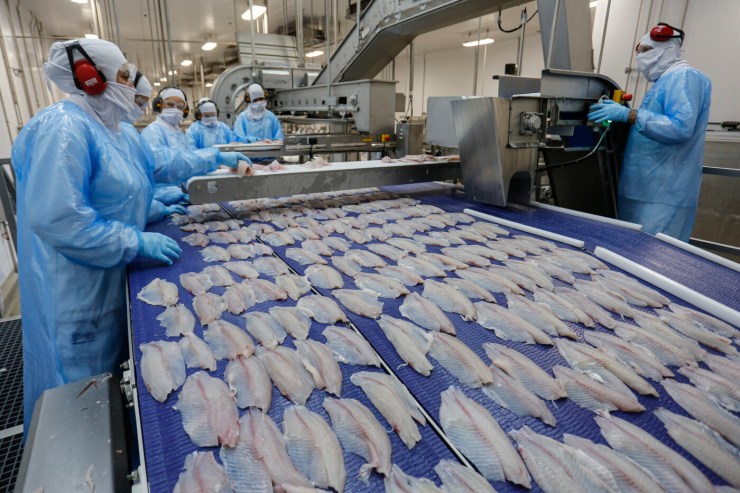
The ports of Paraná were responsible for handling 47.61 TP4T of all chicken meat exported by Brazil in January 2026. This volume reinforces its status as the largest export corridor for the product in the world. Throughout 2025, the Port of Paranaguá alone exported more than 2.8 million tons of frozen chicken.
According to updated data from Comex Stat, in the first month of 2026, 199,000 tons of frozen chicken meat were shipped, totaling US$$ 365 million in FOB value (Free on Board). The main destinations were the United Arab Emirates, South Africa, and China.

Photo: Ari Dias/AEN
Paraná is the largest national producer of chicken, with an industrial park comprised of 36 slaughter and processing plants. "Our logistical expertise and strategic location for the flow of cargo from the South, Southeast, and Midwest regions, as well as neighboring countries, are fundamental to meeting Brazil's high productivity demands," stated the CEO of Portos do Paraná, Luiz Fernando Garcia.
The port infrastructure is another advantage offered to meat processing plants. Frozen meats are transported in refrigerated containers (reefers), which require a continuous connection to electricity to maintain the temperature. The Paranaguá Container Terminal (TCP) has the largest refrigerated container storage park in South America, with 5,268 power outlets.
“Exporters prefer to ship their products through the Port of Paranaguá because of the reliable infrastructure, high storage capacity with container outlets, and adequate operational draft,” highlighted Gabriel Vieira, Director of Port Operations at Portos do Paraná.
Beef
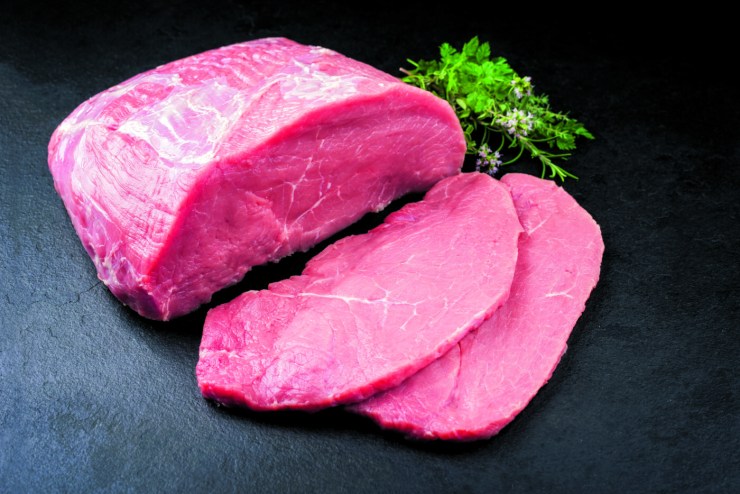
Beef exports from Paraná ports also showed significant performance on the national stage, reaching second place with a 27.71% share in January. A total of 122,000 tons were shipped, mainly to China, the United States, and the United Arab Emirates, generating US$690 million in FOB value.
Positive results in chicken and beef exports consolidate the Port of Paranaguá as Brazil's main protein export channel. In January, 272,000 tons were handled, representing 37.9% of the national volume and US$728 million in FOB value.
Soy

Photo: Shutterstock
Total cargo movement at Paraná's ports in January reached 5,288,747 tons, marking the best January in the history of Portos do Paraná. This volume represents an increase of 12.31 TP4T compared to the previous record, which was registered last year with 4,708,203 tons.
811,900 tons of soybeans were shipped, an increase of 98% compared to January 2025. Corn registered growth of 12%, with shipments of 387,000 tons.
January also saw an increase in the movement of bagged sugar, totaling 397,000 tons. In the previous year, exports had been impacted by the sugarcane crop failure, high international supply, and the formation of large stocks in Asian countries.
Paranaguá started 2026 maintaining its leadership in vegetable oil exports, with growth of 52% compared to the same period of the previous year, exceeding 123,900 tons shipped.
Imports booming
The Port of Paranaguá received 882,000 tons of fertilizers in January, an increase of 9% compared to January 2025. Other products also registered significant increases, such as malt and barley, with increases of 383% and 364%, respectively.
Consolidated growth

Photo: Claudio Neves/Ports of Paraná
The ports of Paraná maintain a consistent growth trajectory. In 2025, they registered the highest percentage growth in cargo volume among Brazilian ports, with an increase of 10.11% compared to the previous year. The volume of cargo handled increased from 66.7 million tons in 2024 to 73.5 million tons, considering both exports and imports.
Productivity at the docks also impacted the Public Sorting Yard of the Port of Paranaguá, which It broke a record in 2025 by receiving 507,915 trucks. — an increase of 29.5% compared to 2024 (392,214). The facility, with 330,000 square meters and 1,000 parking spaces, is responsible for the organization, classification, and routing of bulk solid vegetable waste.