EN
EN  PT_BR
PT_BR 
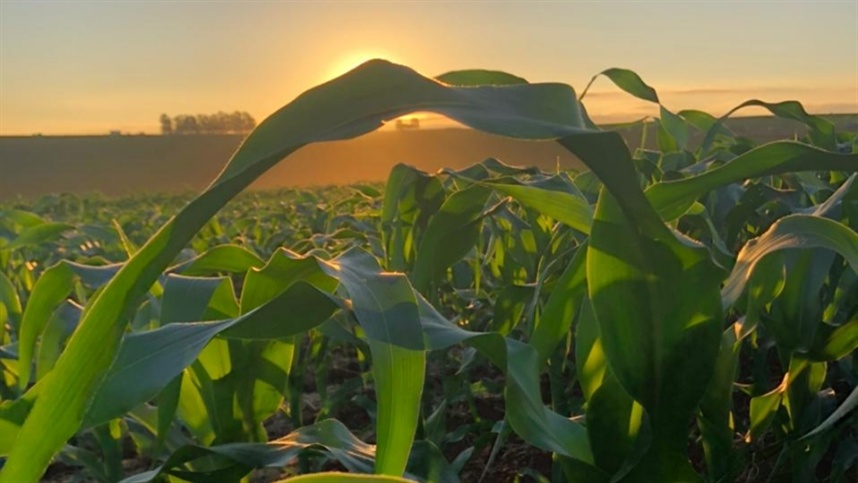
The presence of small, light brown to orange pustules on the leaves of corn This could indicate a problem that requires the producer's attention. These are characteristic symptoms of polysora rust, a foliar disease caused by the fungus Puccinia polysora and favored mainly by warm and humid environments.
The importance of the disease is directly related to its ability to compromise the plant's leaf area. In severe situations, a large portion of the leaves can be affected, reducing the ability to perform photosynthesis and impairing grain filling and productivity. Polysora rust pustules are generally circular or elliptical and can appear on both sides of the leaves. As the disease intensifies, a larger portion of the leaf surface ceases to perform its normal function.
This process is important because the leaves are responsible for producing the energy used by the plant for its development and for grain formation. When the disease causes premature defoliation, the corn may exhibit compromised grain filling, lower ear weight, and reduced productivity.
Certain environmental conditions favor polysora rust. Rainy periods or periods of high relative humidity, combined with mild to warm temperatures, create favorable conditions for infection and multiplication of the fungus.
The risk also varies depending on the property's history and the hybrid being cultivated. Areas that have previously experienced high rust pressure may require more intensive monitoring. More susceptible hybrids also require greater attention during their growing cycle.
Another aspect that helps explain the disease's ability to progress is spore production. Puccinia polysora is able to produce a large number of these structures and complete several infection cycles in the same crop season.
Spores are involved in the spread of the disease and new infections. The greater the number of susceptible plants available and the more favorable the environment, the greater the conditions for the disease to spread.
The continuous presence of corn also interferes with this process.
Staggered planting schedules can keep corn plants alive for extended periods. The same is true for so-called volunteer plants, which emerge outside of planned planting areas or seasons.
These plants act as a green bridge, keeping hosts available for diseases such as polysora rust. Reducing this window, along with controlling volunteer plants, helps to decrease the initial amount of inoculum.
Inoculum is the set of pathogen structures capable of initiating new infections. When its initial quantity is smaller, there is a possibility that the first infections will appear later and with less intensity.
Monitoring is one of the main tools.
The crop should be monitored from the vegetative stages onwards, with extra attention during periods of favorable weather. Monitoring allows for the detection of early symptoms and the making of decisions before the disease reaches high levels of severity.
Protecting the leaves in the middle and upper third of the plant becomes especially important during tasseling and grain filling. Preserving this leaf area helps maintain productive potential during a phase when the plant directs resources towards crop formation.
However, management begins before rust appears.
Choosing hybrids with better resistance is one strategy to reduce disease pressure. These materials tend to take longer to show symptoms and maintain lower severity when grown under the same inoculum pressure.
This means that yield potential should not be the only criterion used in defining the hybrid. Leaf health also needs to be part of the decision.
Crop rotation and balanced nutritional management complement this strategy. Rotation with species that do not host Puccinia polysora helps to interrupt the continuity of specific corn diseases. Adequate nutrition also improves the overall condition of the plant.
Fertilization, however, does not replace specific rust control. It must be part of a set of measures.
When fungicide management is involved, the timing of application is important. Preventive interventions or those carried out at the onset of symptoms result in a smaller spore population and less severe disease, helping to prevent rust from progressing before protection is achieved.
However, the repeated use of fungicides brings another challenge: resistance.
A population of Puccinia polysora is not made up of individuals that are genetically identical in their sensitivity to products. Some may naturally exhibit lower sensitivity to a particular fungicide.
When the same mode of action is used repeatedly, susceptible individuals are eliminated, while less susceptible ones have a greater chance of surviving and multiplying. Over time, this selection can increase the proportion of these individuals in the population and cause a decrease in the fungicide's effectiveness.
Since each crop has its own unique climate, hybrid, soil, and disease history, management decisions need to consider the specific realities of each area and be guided by a qualified professional.