EN
EN  PT_BR
PT_BR 
The Brazilian Government approved the Climate Adaptation and Mitigation Plan and authorized the submission of the Plan to the United Nations Framework Convention on Climate Change as Brazil's National Adaptation Plan (NAP). Resolution CIM/CC/PR No. 9, which formalizes the decisions, was signed by the Minister of the Civil House and president of the Interministerial Committee on Climate Change (CIM), Rui Costa, and published on Tuesday (24), in the Official Gazette of the Union.
Because it harbors biomes that are fundamental to climate regulation, Brazil occupies a strategic position regarding issues related to the climate emergency, an urgent challenge that demands integrated, evidence-based, and coordinated actions across different sectors. To respond to this scenario, the Interministerial Committee on Climate Change coordinated the development of the National Climate Change Plan (Climate Plan 2024-2035), the main instrument to guide Brazil's response to the climate crisis until 2035.

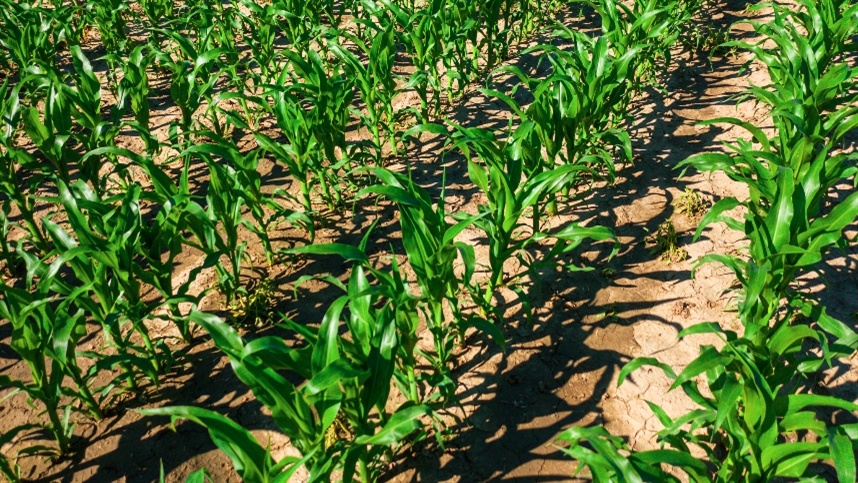
Photo: Fernando Dias/Seapi
Based on the 1988 Federal Constitution and the National Policy on Climate Change (PNMC), the Climate Plan establishes short, medium, and long-term goals and guidelines aimed at transitioning to a net-zero greenhouse gas emissions economy by 2050 and adapting human and natural systems to climate change.
Its development involved a broad participatory process that included different levels of government, civil society, academia, and the private sector. The process brought together more than 24,000 people and thousands of contributions and proposals originating from territorial plenary sessions, the 5th National Conference on the Environment, and public consultations through the Brasil Participativo platform, ensuring the active involvement of society in defining the country's climate strategies.
The Climate Plan supported the development of the new Nationally Determined Contribution (NDC), which defines Brazil's mitigation and adaptation targets for 2035 under the Paris Agreement. The commitment foresees a reduction of 591 ton-four (TP4T) to 671 TP4T in net greenhouse gas emissions compared to 2005, corresponding to a cut in emissions of between 850 million and 1.05 billion tons of carbon dioxide equivalent (CO₂e). The new NDC reflects, at the international level, the objectives of the national climate policy.
Climate adaptation plan
The resolution published this Tuesday approves the Climate Adaptation Plan, which includes its National Adaptation Strategy and its 16 Sectoral and Thematic Plans:
I – Sectoral Plan for Agriculture and Livestock;
II – Sectoral Plan for Family Farming;
III – Thematic Plan for Biodiversity;
IV – Sectoral Plan for Cities;
V – Sectoral Energy Plan;
VI – Sectoral Plan for Industry and Mining;
VII – Thematic Plan for Racial Equality and Combating Racism;
VIII – Thematic Plan for Ocean and Coastal Zone;
IX – Thematic Plan for Traditional Peoples and Communities;
X – Thematic Plan for Indigenous Peoples;
XI – Sectoral Plan for Risk Reduction and Management of Disasters;
XII – Thematic Plan for Water Resources;
XIII – Sectoral Health Plan;
XIV – Sectoral Plan for Food and Nutritional Security;
XV – Sectoral Transport Plan; and
XVI – Sectoral Tourism Plan.