EN
EN  PT_BR
PT_BR 
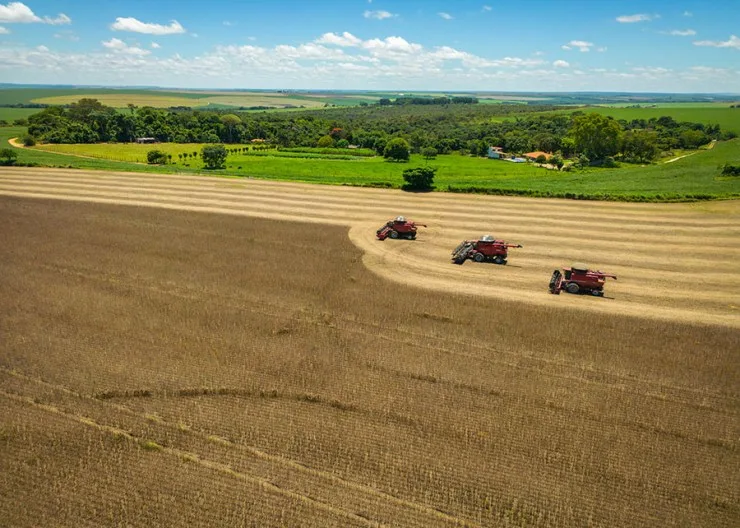
The start of the soybean harvest is already reflected in upward pressure on prices in the grain transport service market on the main routes surveyed by the National Supply Company (Conab). With expectations of a new record in oilseed production, estimated at 178 million tons, the removal of grain from farms reinforces the demand for freight services, while at the same time intensifying the flow of corn in order to free up space in warehouses. The analysis is contained in the new edition of the Logistics Bulletin, released this Monday (2) by the National Supply Company (Conab).
“The movement reflects the seasonality of this market, where price peaks are expected in January and February, when a large part of the soybean harvest, the main grain produced in the country, is concentrated. At this moment, the supply of transport is beginning to show the existing limitations in balancing the demand side, especially heated by the arrival of a harvest of enormous magnitude,” analyzes the Superintendent of Operational Logistics at Conab, Thomé Guth.

Photo: Geraldo Bubniak
The scenario of rising freight prices in the first month of this year was observed in Mato Grosso, the main grain-producing state in the country. It is estimated that, in January, one-third of the entire Mato Grosso soybean harvest was collected, and February should concentrate an even larger fraction of production, close to 50 million tons. Another factor contributing to the increase in freight prices has been the high supply of corn from the previous cycle that is still pending outflow. "Thus, the two products have been competing with each other for transportation and for space in logistics corridors, causing a surge in the road freight market and inflation in its prices," explains Guth.
The freight market in Mato Grosso do Sul also showed strong demand for grain transportation services. Cargo movement was sustained both by export shipments and by the resumption of purchases in the domestic market. Conab also observed higher prices in the Federal District. Road freight rates in January of this year in the nation's capital showed generalized increases compared to December 2025, reflecting a scenario with higher costs and driven by historically stronger demand for January.
In Piauí, the freight market remained slow, registering restricted demand on some routes, reflecting a significant reduction in the outflow of both corn and soybeans. However, there is a prospect of increased activity in the coming days with the start of the soybean harvest, which has begun in some areas, and this is already reflected in the average freight prices. Considering the main outflow routes in the state, an increase of 15% was observed compared to the values charged in December.

Photo: Disclosure/CNA
In contrast to the upward trend in prices for removal services, in Paraná the logistics of freight for corn and soybeans showed fluctuating demand, where price variations directly reflected the particularities of regional routes and the availability of return loads.
Another important soybean-producing state, Goiás, registered a moderately intense freight market in January of this year. This behavior reflects the delay in the phenological cycle of the crops. By the end of the period, approximately 70% of the soybean area was in the grain-filling and maturation phases, with the harvest index reaching only 2%. State commercialization registered 35%, a level lower than the 40% observed in the previous harvest. However, the combination of high productivity (3,858 kg/ha) with the backlog in the schedule suggests a critical concentration of the harvest from February 20th onwards, a factor that should act as the main catalyst for the escalation of logistics prices in the short term.
In Bahia and Maranhão, freight costs remained stable in the main grain-producing areas and transport routes. In Bahia, this trend was influenced by low grain prices and reduced stocks, especially in the western region of the state, while in Maranhão, freight rates showed slight fluctuations, influenced by the relative stabilization of diesel prices, according to the fuel price survey by the National Agency of Petroleum, Natural Gas and Biofuels (ANP).
Meanwhile, in São Paulo, prices fell in January compared to December. This drop was due to weak demand, but the trend is for soybeans to put downward pressure on prices starting in February.
Exports
Corn shipments in January of this year totaled 4.2 million tons, compared to 3.6 million tons in the same period of 2025. In this first month, the Northern Arc was the main export route for the grain, representing 44.71 TP4T of the total volume. Following that, the port of Santos shipped 36.91 TP4T, the port of Paranaguá shipped 10.41 TP4T, while the port of São Francisco do Sul registered 1.41 TP4T of the shipped volumes.

Photo: Claudio Neves
Soybean exports reached 1.8 million tons in January. For this oilseed, the port of Santos emerged as the main port chosen by producers in the first month of the year, handling 35.31 TP4T of the volume. Soybean shipments through the port of Paranaguá totaled 341 TP4T of national exports. The ports of the Northern Arc handled 25.31 TP4T of the national volume, while the port of São Francisco do Sul handled 5.41 TP4T.
Conab's monthly publication collects data on the freight market in ten producing states, with analyses of the logistical aspects of the agricultural sector, the position of exports of significant agricultural products in Brazil, analysis of cargo movement flow, and a survey of the main routes used for crop transportation. The Bulletin also provides information on the movement of Conab's stocks, carried out by carriers contracted through electronic auctions. The complete analyses are available in the [publication/publication name]. Logistics Bulletin – February/2026.