EN
EN  PT_BR
PT_BR 
The Minister of Agriculture and Livestock, André de Paula, participated, on Wednesday (13), in Brasília, in the 4th Congress of the Brazilian Association of Corn Producers (Abramilho), an event that brought together producers, agribusiness leaders, experts, companies, government and press representatives to discuss strategic issues related to the corn and sorghum chains in the country.
The program covered topics such as the economic scenario, innovation, sustainability, biotechnology, geopolitics, food security, input imports, the Harvest Plan, rural insurance, storage, and logistics infrastructure.

Photo: Disclosure/Abramilho
During the panel “Agriculture in transformation: current challenges and proposals to strengthen the sector”, the minister highlighted the federal government's decision to extend the deadlines related to the requirements of the Environmental Regularization Program (Prodes) for granting rural credit with equalized or controlled resources within the scope of the Harvest Plan.
According to André de Paula, the government is working to guarantee a Harvest Plan compatible with the needs of the productive sector, including measures aimed at expanding credit, addressing rural debt, and strengthening guarantee mechanisms for producers. “Just yesterday we celebrated, with relief, the extension of the Prodes deadlines. I want to say that we are working hard, the MAPA team and, across the board, with the entire government of President Lula, so that we can not only present a Harvest Plan that, as in recent years, will bring increasing and significant numbers, but also accommodate the main concerns of producers. Interest rates that fit the rural producer's budget, addressing indebtedness, and strengthening the guarantee fund are issues that are at the center of our discussions,” he stated.

Vice-President and Minister of Development, Industry, Trade and Services, Geraldo Alckmin: “We have a true marvel which is ethanol, especially corn ethanol, which has been consolidating itself as a great success in Brazil” – Photo: Valter Campanato/Agência Brasil
The Vice President of the Republic, Geraldo Alckmin, also participated in the debate and highlighted the importance of ethanol, especially corn-derived ethanol, for the Brazilian energy matrix and for generating economic opportunities in the agro-industrial sector. “We have a true marvel, which is ethanol, especially corn ethanol, which is consolidating itself as a great success in Brazil. Besides producing fuel, it generates DDG, an excellent byproduct rich in protein for animal feed, which is growing strongly and opening new export opportunities,” he emphasized.
Alckmin also commented on the progress of the mandatory blending of anhydrous ethanol in gasoline. “The tests already authorize us to move forward with 32%, and everything is on track for this to become a reality soon. Today, anhydrous ethanol is cheaper than gasoline, which represents an excellent deal for the country: it reduces the final price for the consumer, generates environmental gains through reduced emissions, and promotes a positive socioeconomic impact, with more jobs and income in the countryside and industry,” he stated.
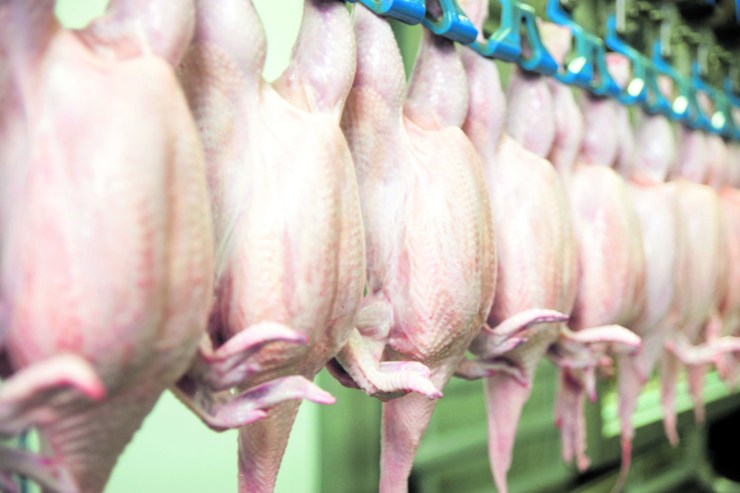
During the event, Minister André de Paula also addressed Brazil's temporary removal from the list of countries authorized to export certain animal products to the European Union. According to him, the Brazilian agricultural defense system remains solid, internationally recognized, and capable of meeting the technical requirements of importing markets. "Brazil has a solid, robust, and accredited agricultural defense system. It is no coincidence that we are the world's largest producers of animal protein, that we supply more than 170 markets, and that we have been exporting to Europe for 40 years," the minister emphasized.

Photo: Aires Mariga
The Brazilian Association of Corn Producers (Abramilho) acts in the institutional representation of the sector and in the articulation of strategic demands related to the corn and sorghum supply chains. The congress has established itself as one of the main national forums for debates on public policies, innovation and trends in the segment.
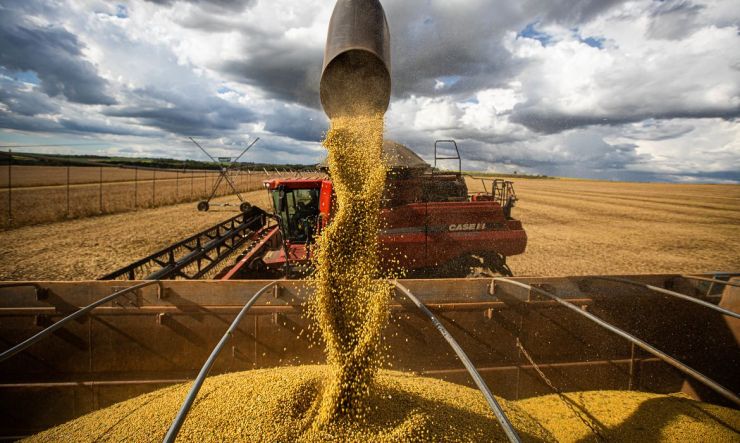
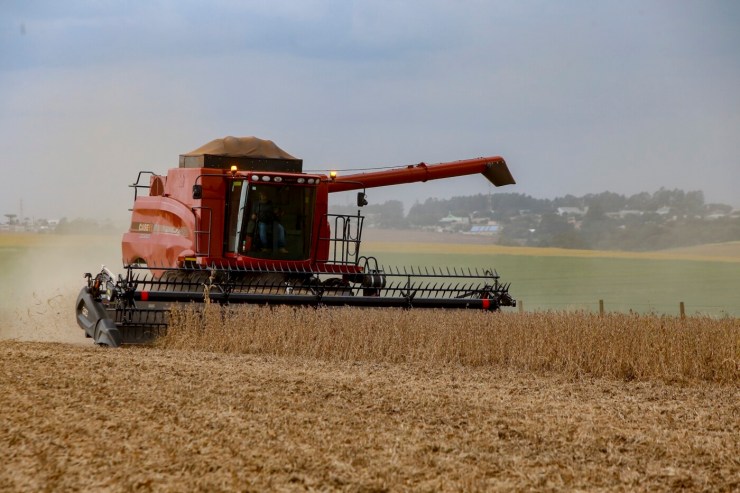
According to the National Supply Company (Conab)The Brazilian corn harvest for 2025/2026 reached 139.5 million tons, with exports estimated at around 47 million tons. Domestic consumption is around 95 million tons, driven mainly by poultry farming, pig farming, and the ethanol industry.
In the bioenergy sector, Brazil currently has 58 corn ethanol plants, with an estimated production of approximately 10 billion liters, in addition to generating about 5 million tons of DDG, a co-product used in animal feed.
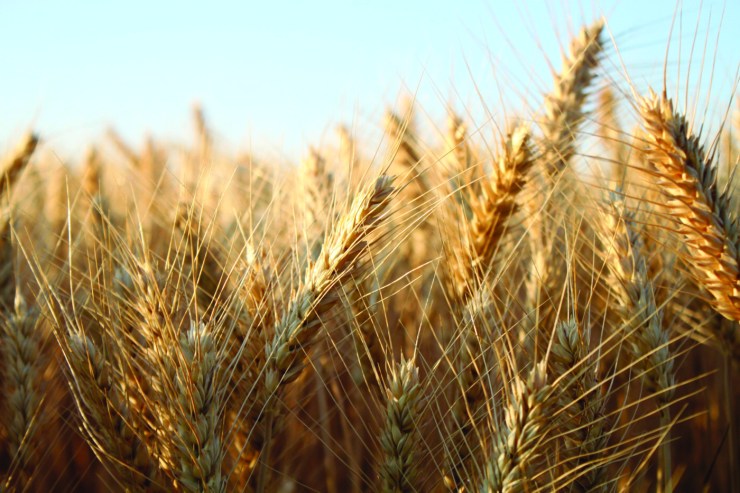
Sorghum cultivation also showed significant growth in the 2025/2026 season, with an estimated production of 7.47 million tons. The grain stands out for its drought resistance, lower production costs, and potential for expansion without the need to increase the planted area.