EN
EN  PT_BR
PT_BR 
The planting of the 2025/26 second-crop corn has gained momentum in recent weeks, reaching 75.91 TP4T of the planned area in the Center-North region in the first week of March, according to the Grain Crop Bulletin from the National Supply Company. This represents an increase of 54.3 percentage points compared to the beginning of February, when 21.61 TP4T of the area had been planted, bringing the schedule closer to the historical average.
Recent performance contrasts with the delay observed throughout February. According to Conab, the late planting of soybeans and excessive rainfall in the Southeast and Midwest delayed the oilseed harvest and, consequently, the entry of machinery for planting the second corn crop.

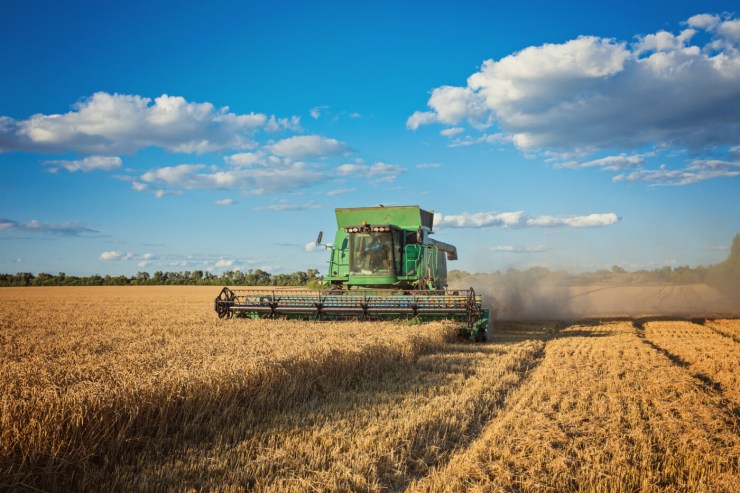
Photo: Jaelson Lucas/AEN
According to agricultural engineer André Villar, who monitors the harvest in states in the Midwest, North, and Northeast regions, the summer rainfall patterns required operational adjustments on farms. “In several regions, soybean planting extended beyond what was planned, and this shifted the schedule for the second corn crop. In some places, producers were able to maintain their plans, but in others, it was necessary to revise their cultivation strategy,” he states.
Conab reports that planting is already underway in all producing states and that most of the planted areas show good initial development, favored by recent weather conditions. Even so, adjustments to the area allocated to the cereal are beginning to appear in some states.
In Goiás, the February rains slowed down the soybean harvest and corn planting. By the end of the month, approximately 62% of the planned area had been sown, but operations were repeatedly interrupted due to the absence of harvested plots or excessive soil moisture, which hindered the entry of machinery. Even with the restrictions, the planted areas are progressing well. “When the soybean harvest is delayed, the second crop schedule becomes tighter. In areas of the Northeast and Midwest, this reduces the corn area because producers avoid planting outside the ideal window. In these cases, sorghum becomes a viable alternative,” Villar points out.

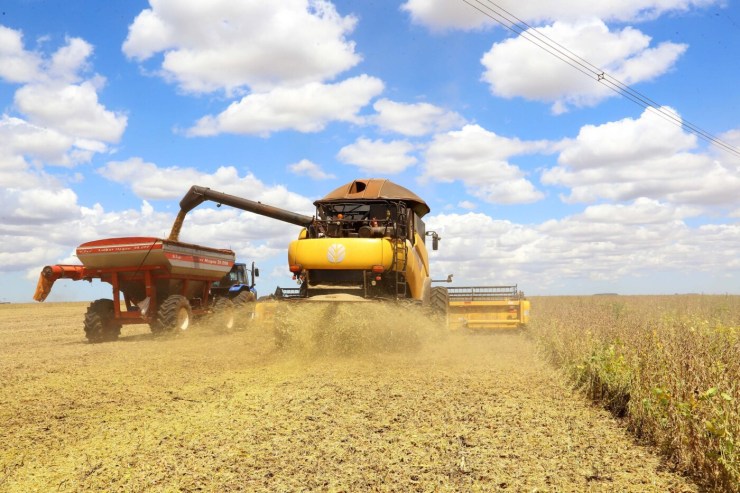
Photo: Giuliano De Luca/O Presente Rural
In Maranhão, the start of the soybean harvest in the municipalities of Gerais de Balsas allowed corn planting only in February. The estimated area in the state is 239,200 hectares, about 20% less than the previous harvest. The crops are in emergence and the beginning of vegetative development.
In Piauí, planting only began in the second ten-day period of February and follows the pace of the soybean harvest, which was also affected by excessive rainfall. In Tocantins, the operation is progressing more consistently, with 72% of the planned area already sown, benefiting from alternating periods of rain and sun, a condition that has favored the establishment of the crops.
In Pará, where the second crop is concentrated in the Southeast and Southwest regions, approximately 401% of the planned area has already been planted. The crops show excellent vegetative development, favored by good weather conditions and the use of more advanced production technologies. “Brazilian agriculture is dynamic. Even when the schedule is delayed, producers seek alternatives to maintain the balance of the production system, whether by adjusting the area, choosing shorter-cycle hybrids, or changing management strategies,” mentions Villar.

Agricultural engineer André Villar: "In several regions, soybean planting extended beyond what was planned, and this shifted the schedule for the second corn crop."
According to the agronomist, the second half of February and the beginning of March saw an increase in demand for hybrids better adapted to late planting, with shorter cycles, greater initial vigor, and increased drought tolerance. "Our work in the field was to review the recommendations for these hybrids and ensure delivery at the right time," he emphasizes.
In the Federal District, approximately 251 TP4T of the estimated area has already been sown, with crops in the initial stages of germination and vegetative development. Overall, the survey by the National Supply Company adjusted the national estimate to 17.8 million hectares cultivated with second-crop corn, with a projected production of 108.4 million tons.
According to Villar, the final result will depend on the weather in the coming weeks, especially in areas that started planting outside the ideal window. “Even with regional adjustments, the overall scenario is still favorable. If the weather cooperates, the areas already planted have the potential to develop well and support another significant corn harvest in the country.” he points out.