EN
 PT_BR

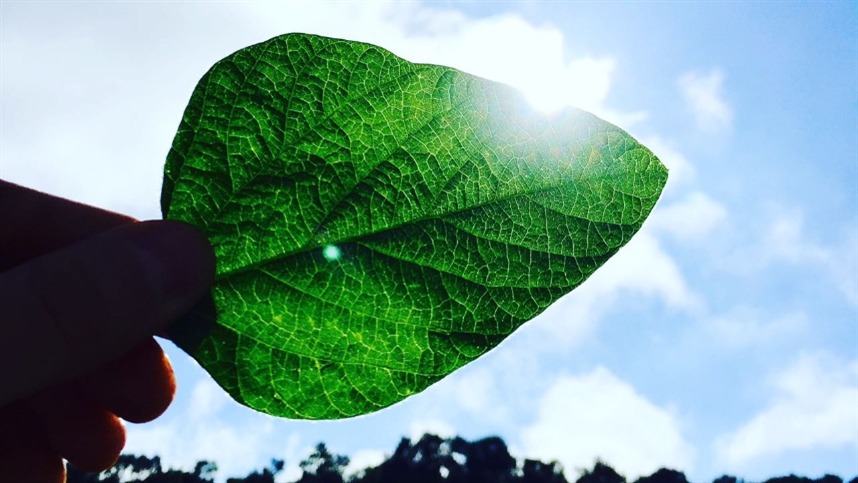
Soybean performance after planting depends on constant monitoring and proper management. Paying attention to plant development allows for the identification of problems before they affect the crop's productive potential.
In the 2025/2026 harvest, Brazil produced 180.4 million tons, an increase of 5.21% compared to the previous cycle, according to Conab. For Rafael Toscano, commercial manager of seeds at ORÍGEO, monitoring the crop from emergence is essential to guide decisions.
"The producer's work doesn't begin with sowing. It's necessary to closely monitor the crop's development to quickly identify any potential phytosanitary challenges and make decisions before they compromise the stand and productivity," he emphasizes.
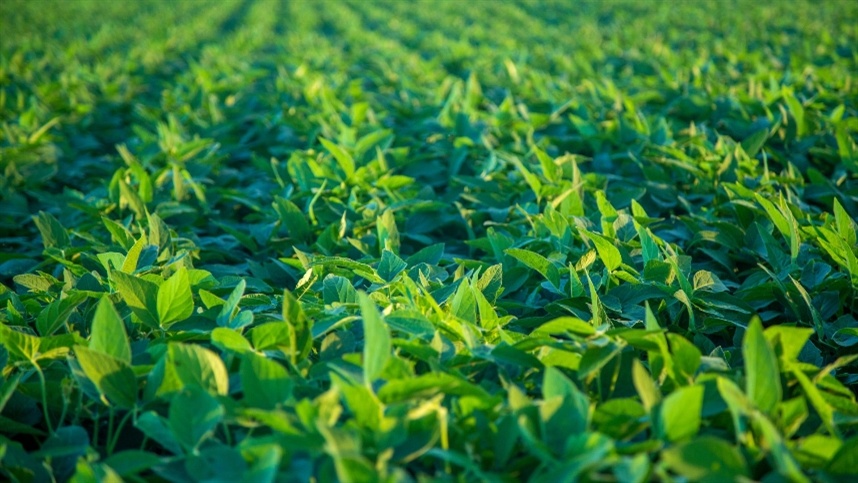
The first step is to check the stand formation. Gaps and unevenness may indicate soil compaction, lack of water, or pest infestation. It is also necessary to control weeds, whose competition for light, water, and nutrients can harm soybeans, especially between 10 and 50 days after emergence, according to Embrapa.
In insect monitoring, Integrated Pest Management considers species, population, crop stage, and the presence of natural enemies. Other considerations include soil moisture and weather forecasts, especially during periods of water scarcity.
Disease surveillance must continue even in well-developed crops. Early identification of symptoms, such as those of Asian soybean rust, helps guide control measures. "In the case of Asian soybean rust, for example, monitoring is one of the tools used to guide management and prevent the disease from spreading uncontrollably," concludes Toscano.