EN
EN  PT_BR
PT_BR 
Soybean flowering marks one of the most strategic phases of the crop cycle, as it is during this period that a large part of the productivity components are defined. Physiological, environmental, and management aspects act in an integrated way and can favor or limit flower setting and pod formation, reflecting on the final yield of the crop.
Among the main factors influencing flowering are photoperiod, temperature, water availability, and plant nutrition. Photoperiod and temperature act together on soybean development, with each cultivar having specific thermal sum requirements to complete its cycle.

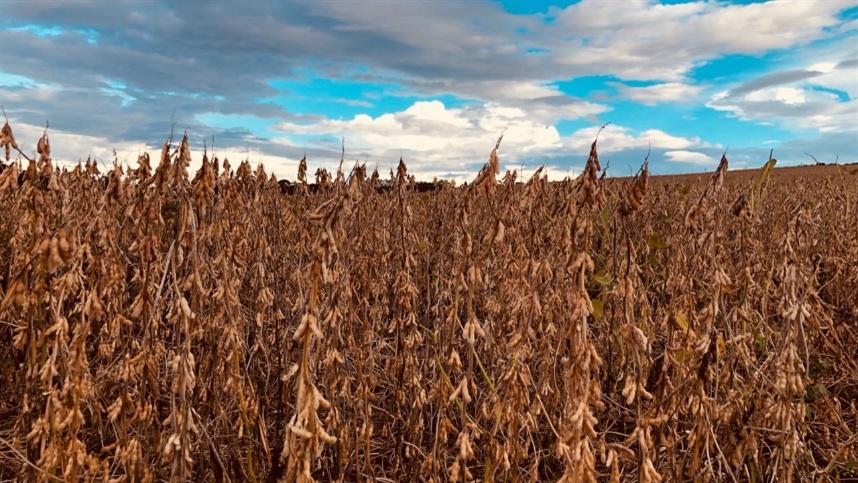
Photo: Shutterstock
Water deficit reduces cell division and elongation, decreases leaf area and plant size, resulting in less node formation. Consequently, there is a reduction in the number of flowers, pods, and grains, directly affecting production components.
Balanced nutrition is also crucial at this stage. All macro and micronutrients are important, but some stand out during soybean flowering, such as phosphorus, potassium, calcium, boron, magnesium, cobalt, and molybdenum. These nutrients are directly linked to flower formation, pollination, carbohydrate transport, nodulation, and grain filling. Nutritional deficiencies, especially of calcium and boron, can lead to poor flower and pod formation.
According to Roni Fernandes Guareschi, PhD in Agronomy with a focus on Soil Science, in addition to abiotic factors, management practices also interfere with flowering and therefore require planning and correct execution of agricultural practices at this time. “Soil and foliar analyses allow us to identify and correct nutritional imbalances that compromise plant development and increase the risk of abortion. Choosing high-quality seeds of varieties adapted to the region, respecting the planting window, and efficient pest and disease management are fundamental to ensuring uniform flowering within the potential of each cultivar,” he states.
Flowering and the beginning of summer
The quality of the seed used in crop establishment strongly influences flowering. Seeds with high vigor, good germination, and health promote faster and more uniform establishment, with a more developed root system and greater efficiency in water and nutrient absorption, resulting in a greater number of flowers, pods, and grains.

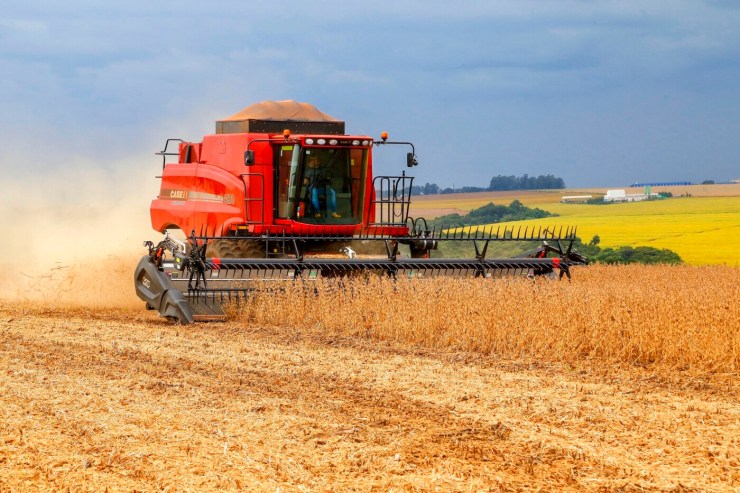
Photo: Gilson Abreu
In this context, specialized technical support contributes to more assertive decisions throughout the cycle. “In addition to assisting in choosing the most suitable variety for each region and climatic condition, the field team guides the producer throughout the season with soil and foliar analyses and the correct selection of inputs to promote more uniform stands and greater security in flowering and pod formation,” highlights Guareschi.
With the crop in its reproductive phase and under typical early summer conditions, producers must pay even closer attention to management. "Monitoring soybean nodulation, continuously tracking pests and diseases, and adopting strategies to stimulate the plant's maximum physiological potential are essential measures to minimize the effects of abiotic stresses and preserve crop performance," he emphasizes.