EN
EN  PT_BR
PT_BR 
From supermarket shelves to industrial kitchens, soybean oil has established itself as the main vegetable oil consumed in Brazil. This leadership is the result of a combination of historical, economic, and industrial factors that connect the expansion of soybean cultivation in the fields to the efficiency of processing and the standardization required by the food industry.
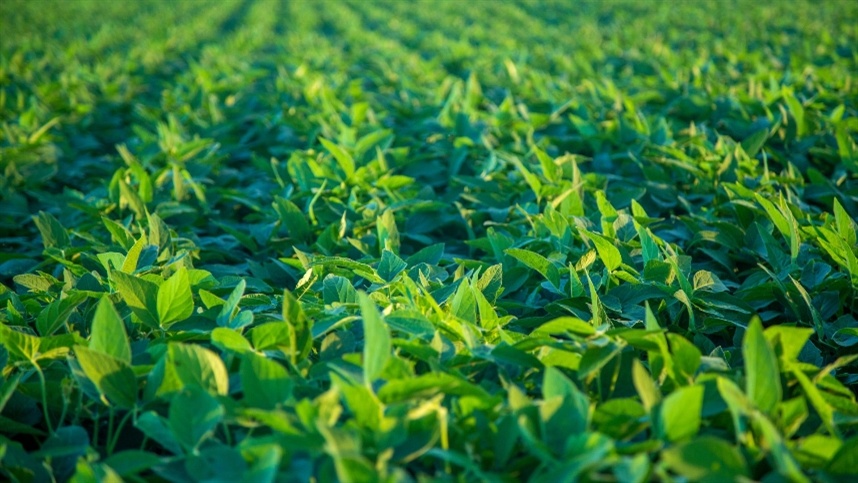
The product's popularity paralleled the expansion of soybean production in the country, which intensified from the 1970s and 1980s onwards with the growth of production in the Cerrado region. The industrialization of the grain transformed soybeans into the basis of a broad production chain, encompassing food, animal feed, and industrial byproducts.
According to the vice-president of the western region of the Mato Grosso Soybean and Corn Producers Association (Aprosoja MT), Gilson Antunes de Melo, grain processing was crucial in enabling large-scale agriculture. “Industrialization added value and structured a complete chain. Soybean meal is practically in all animal feeds, and each byproduct finds a market destination. This strengthened production and expanded the presence of soybeans in the Brazilian diet,” he states.

Photo: Disclosure/OPR Archive
Beyond the economic impact, the leader highlights the direct role of soy in the national diet. “A large part of the protein consumed in the country has an indirect origin in soy, present in animal feed. Soybean oil, on the other hand, has become a dominant option due to its versatility and neutral flavor, which adapts to different culinary preparations.”
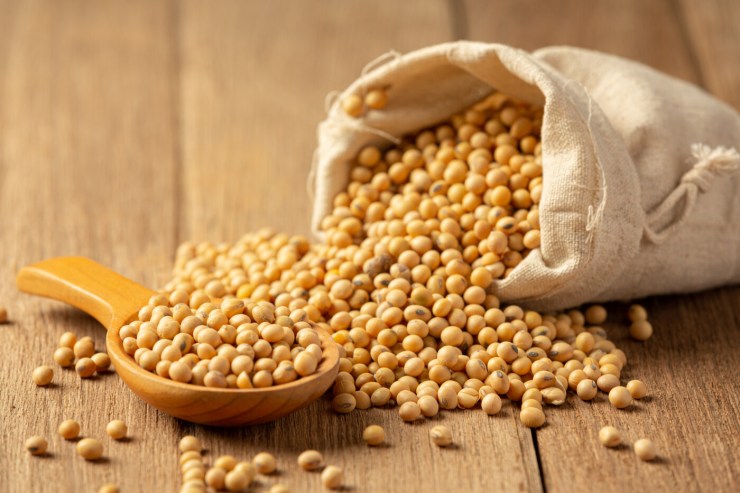
The consolidation of soybean oil in domestic consumption is linked to the availability of raw materials on a large scale and its competitive cost. The product is the result of processing the grain, which yields different types of oil depending on the level of industrial treatment.
In practice, crude oil is the initial basis for processing, with a more intense color and the presence of impurities, being mainly destined for industry for refining and transformation. Refined oil, subjected to purification, bleaching, and deodorization stages, has a neutral flavor and thermal stability, characteristics that explain its predominance in domestic consumption. Mixed oils, on the other hand, combine different raw materials and may present variations in flavor, performance, and nutritional composition.
For chef and entrepreneur Ariani Malouf, the neutral sensory properties and technical performance explain the preference of the food sector. “Soybean oil doesn't interfere with the flavor of dishes and maintains stability even at high temperatures. This ensures standardization, quality, and safety, especially in large-scale production,” she explains.
She emphasizes that the national availability of the product also weighs in on the choice. “Brazil is one of the world's largest soybean producers, so there is a constant supply and competitive cost. For professional and industrial kitchens, this regularity of supply is fundamental.”
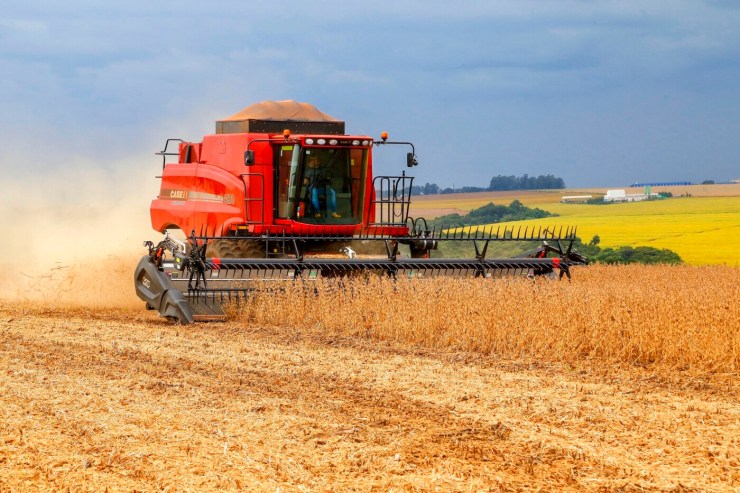
Soybean oil's leadership is also based on logistical and economic factors. Large-scale agricultural production, combined with processing and distribution capacity, ensures a continuous supply for the food industry, which demands large volumes with a uniform standard.
In addition to its culinary versatility, the product offers high yield, ease of processing, and standardization, attributes valued by food manufacturers and catering services.
Even with the presence of alternatives such as corn, sunflower, or palm oil, the cost-benefit ratio and availability keep soybean oil as the main choice in the country. The product's competitiveness is directly linked to the strength of national agricultural production and the integration between the field, industry, and consumer market.
For the productive sector, this chain represents more than just food supply. "The rural producer plays a central role not only in food production, but also in wealth generation and food security for the country," states Gilson Antunes de Melo. Thus, from the field to the plate, the dominance of soybean oil reflects the combination of productive scale, industrial efficiency, and adaptation to Brazilian consumption patterns.