EN
EN  PT_BR
PT_BR 
Production costs remain the determining variable for the performance of Paraná's agricultural supply chains, according to... Economic Bulletin Prepared by the Department of Rural Economy (Deral), of the Secretariat of Agriculture and Supply (Seab), released on Thursday (04). Although each sector presents its own dynamics, the document shows that both grains and animal proteins are experiencing a period in which profitability, prices and logistical challenges interact with cost behavior.
Positive highlights come from coffee, with production costs easily covered by prices recorded in the last two harvests, and from soybeans, whose profitability remains high. Conversely, milk is facing a decline in prices paid to producers, while eggs and pork are undergoing adjustments in response to the international scenario and market fluctuations.
Soy
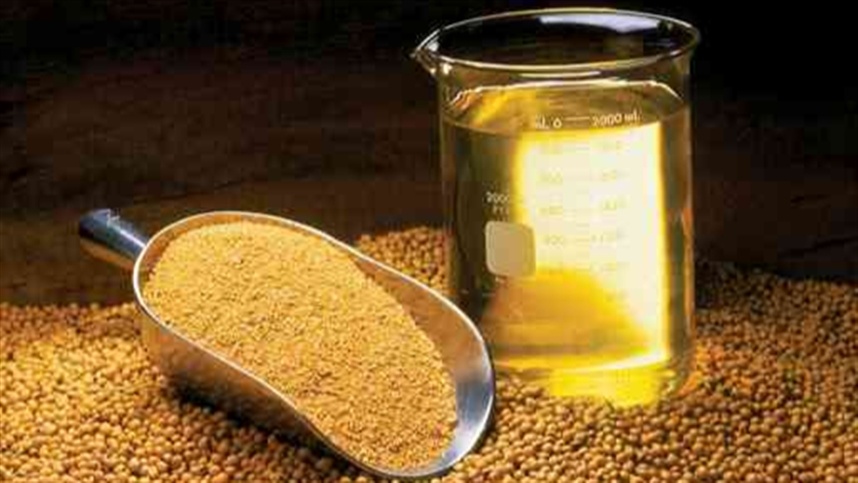
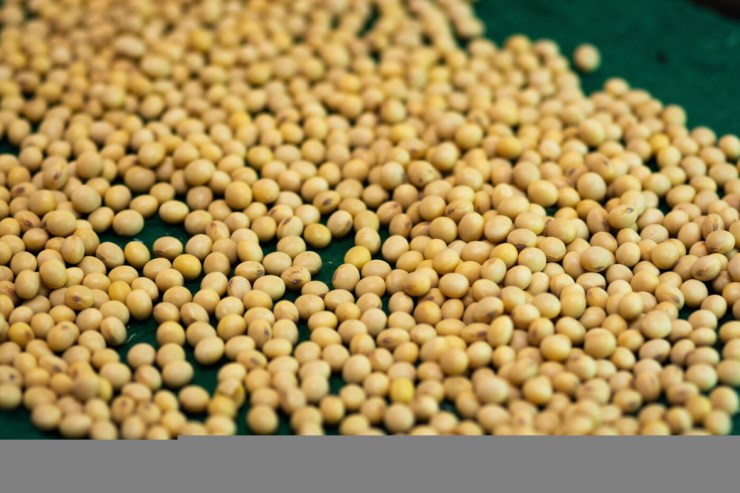
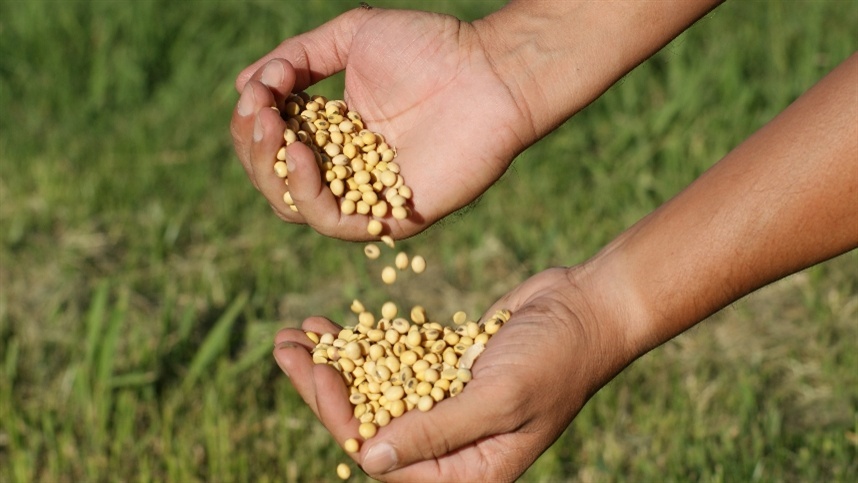
Soybeans maintain stable costs and strong profitability potential. A survey by Deral indicates that the variable cost to produce 55 sacks per hectare is R$ 3,212.00 (equivalent to R$ 58.39 per sack). This value represents an increase of only 0.76% compared to the same period in 2024. This slight increase came from the cost of external transport, seeds, and fertilizers – but expenses with pesticides decreased by 7%, helping to contain the overall increase. With the sack traded at around R$ 120.00, the estimated gross profitability is 106%.
Soybean planting is practically complete in Paraná, reaching 99% of the 5.77 million hectares projected for the harvest.
Milk
The dairy sector is experiencing another month of decline in the price paid to producers. In November, the price per liter delivered to the industry fell by 5.74% compared to October, accumulating a drop of approximately 18% in the last 12 months, according to data from Deral.
Industries in Paraná imported 250 tons of powdered milk in October, representing an increase of 25% compared to September. However, this volume is expected to decrease from November onwards, following the sanction of... State law 22.765/2025which prohibits the reconstitution of imported powdered milk in Paraná.
Pigs

In October, pig farming in Paraná registered its highest profitability of the year. The margin reached R$ 1.45/kg, surpassing the R$ 1.39/kg observed in September, which was the best result of 2025 until then. This performance results from a combination of the best price paid to producers this year and the second lowest production cost of the period. In October, the value received by the producer was R$ 7.22/kg, an increase of 0.8% compared to September and 3.8% compared to October 2024.
The cost estimated by Embrapa Swine and Poultry was R$ 5.77/kg, repeating the value from September and remaining 3.5% below that recorded in the same month last year. For November, the trend is for a slight reduction in profitability, due to a drop of 1.2% (R$ 0.09) in the price paid to the producer.
Eggs
The egg market presents striking contrasts between export performance and the impact of the tariff imposed by the United States. In the first ten months of 2025, Brazil exported 49,806 tons of egg products (fresh eggs in shell, cooked and dried eggs, fresh and cooked yolks, and egg albumin), an increase of 36.8% compared to the same period in 2024, with revenue of US$163.4 million.

Photo: Shutterstock
According to Deral, Paraná appears as the fourth largest exporter in the country, with 5,641 tons and revenue of US$28.4 million, however, it registers a drop of 33.31 in volume and 24.41 in revenue compared to 2024.
In the international market, the United States remains the main importer of egg products from Brazil, with 19,578 tons and US$41.606 million – representing increases of over 1,000 in volume and revenue. However, after the 50% tariff imposed in August, imports plummeted. The country went from 3,774 tons in July to only 41 tons in October, a decrease of 82.91 in volume and 90.91 in revenue compared to October of last year.
In November 2025, the US announced the removal of the additional tariff on some Brazilian products, such as coffee, beef, pork, and tropical fruits, following negotiations between the governments. However, the removal of tariffs on remaining products, such as eggs, is still uncertain.