EN
EN  PT_BR
PT_BR 
The Gross Value of Agricultural Production (VBP) of Sergipe will end 2025 with a total of R$ 5,611.65 million, according to data consolidated by the Ministry of Agriculture and Livestock (Mapa). This result represents a nominal increase of R$6.44% compared to the R$ 5,272 million recorded in 2024. The state's performance follows the growth trend of the Brazilian agricultural sector, which reached a total revenue of R$ 1.412 trillion in the same period.
Despite the absolute growth of R$ 339.6 million in the last year, Sergipe's relative share in the federal scenario remains stable at 0.40%. This index shows that, although Sergipe's agribusiness is expanding, it maintains a proportionally smaller scale than the major producing centers, such as Mato Grosso (R$ 220.4 billion) and Minas Gerais (R$ 168.1 billion), which lead the national ranking.
Predominance of Animal Protein
The productive structure of Sergipe in 2025 is mainly supported by livestock farming, which accounts for 59% of the total VBP (R$ 3,339 million). Crops make up the remaining 41%, with revenues of R$ 2,273 million.
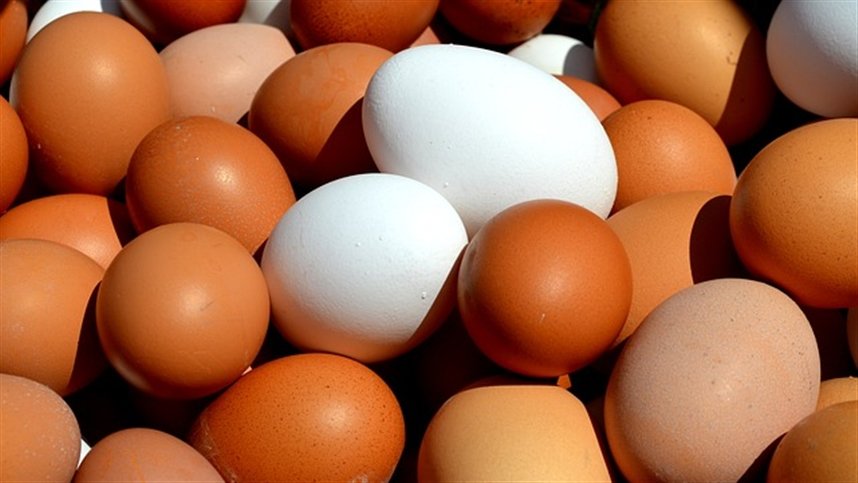
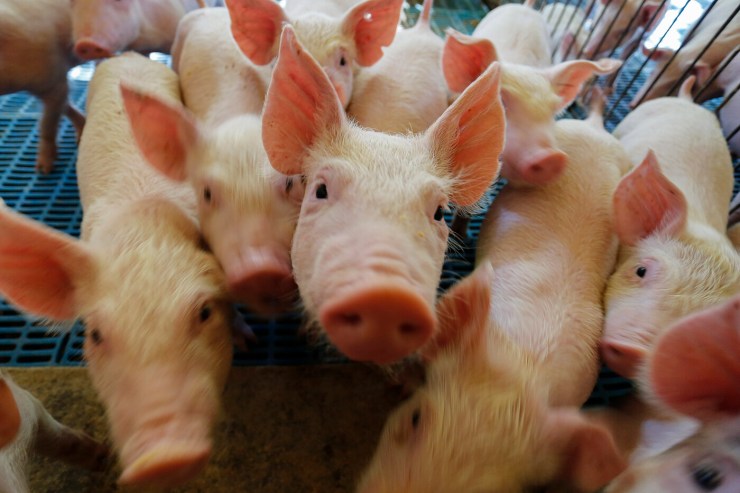
In the ranking of the state's five main activities, cattle farming stands out, generating R$ 1,854.4 million. The dairy sector appears in third place, with R$ 1,253.7 million, consolidating the importance of the livestock chain for the local economy. Egg production also figures among the main sources of income, totaling R$ 230.8 million. In contrast, activities such as poultry and swine do not appear with significant volumes in Sergipe's main economic agenda, indicating a specialization in beef and dairy cattle to the detriment of other animal proteins.
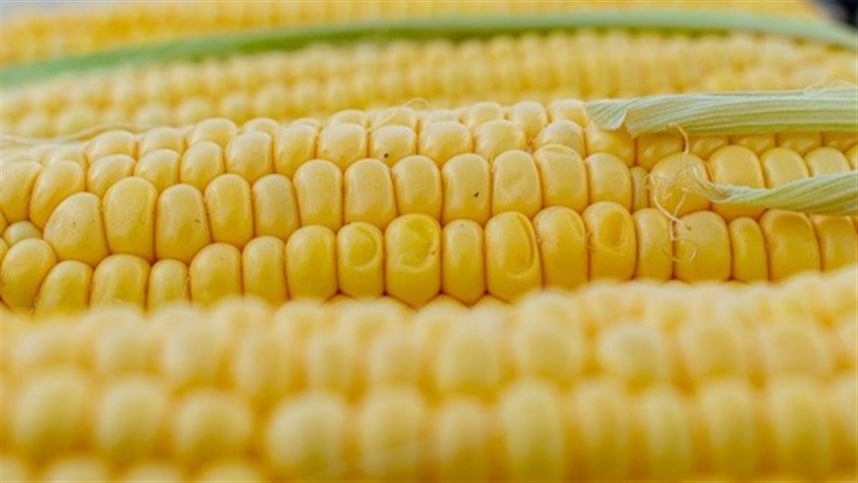
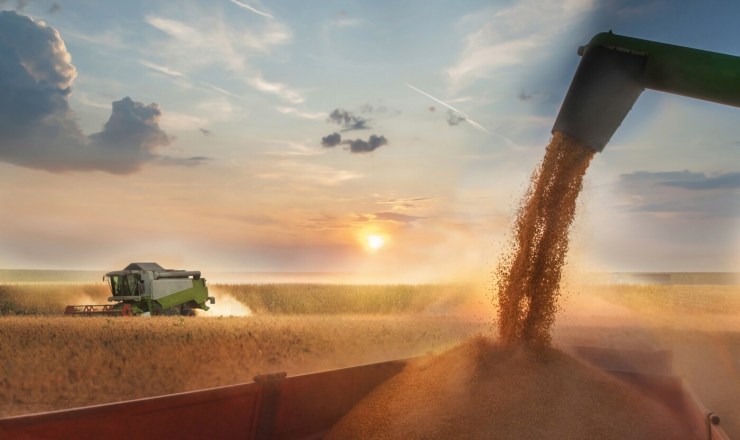
Corn is the main agricultural product of Sergipe, occupying the second position in the overall ranking with R$ of 1,316.5 million. Comparing the 2024 and 2025 cycles, the following behavior is observed in the main crops:
Orange: Consolidates itself as the fourth largest force (R$ 458.6 million).
Sugarcane: Maintains strategic relevance with revenue of R$ 314.4 million.
Cassava: Registers R$ 108.5 million, remaining a regional staple crop.
Evolution
The historical series graph reveals that Sergipe's VBP (Value of Production) more than doubled in seven years. In 2018, revenue was R$2,167 million, jumping to the current R$5,612 million. This growth of 158.91% over the period indicates a consistent increase in production value, although the advance is largely nominal, influenced by price adjustments and market demand.
Comparatively, Sergipe's performance reflects the national dynamic: the state grows when Brazil grows, but without altering its proportional importance in the MAPA index. The disconnect between Sergipe's reality and the national one is visible in the absence of soy and wheat—pillars of Brazilian exports—and in the strong dependence on corn and extensive livestock farming.
Structural Challenges
Analysis of the data from Mapa indicates that Sergipe's agribusiness faces a vertical integration challenge. The concentration of almost 60% of production value in cattle and milk demonstrates a specialization that, while solid, limits risk diversification.
The upward trajectory of the VBP (Value of Agricultural Production) since 2018 proves the sector's expansion capacity, but the stability in its share of 0.4% (Total Productive Production) of the national VBP suggests that the state is growing within its current geographic and technological limits. The absence of large grain complexes (except for corn) and integrated poultry and swine chains reinforces Sergipe's profile as a producer focused on regional demands and traditional protein chains.