EN
EN  PT_BR
PT_BR 
Anyone who thinks the war in the Middle East is a distant problem is mistaken. The conflict involving Iran, the United States, and Israel has already begun to impact Brazilian agribusiness, and the impact is likely to be significant, especially in Mato Grosso. It's not a possibility; it's an ongoing reality.

Photo: Shutterstock
The first sign came from fertilizers. The increase of more than 30% in the price of urea on the international market is not a technical detail; it's a direct warning to producers. This is happening precisely at the moment when Brazil is beginning to prepare for the 2026/27 harvest.
Mato Grosso, which leads national production, enters this cycle with low input contracting. In other words, the producer is exposed, buying at higher prices and assuming greater risk. In corn, for example, this increase can already consume a significant portion of the profit margin.
In the case of soybeans, the problem is different and even more serious: external dependence. Brazil imports a large portion of its phosphate fertilizers from regions directly impacted by the conflict. This means a real risk of shortages, delays, and increased costs. In other words, the cost rises even before planting begins.
But the effect doesn't stop in the field. It extends to industry and reaches the consumer.
With diesel more expensive, freight costs have already skyrocketed. Packaging, which depends on petroleum, is also rising in price. And this puts pressure on the entire food chain.
As a businessman in the animal protein sector, I can clearly state: the problem is not just the cost, but also logistics and the market.
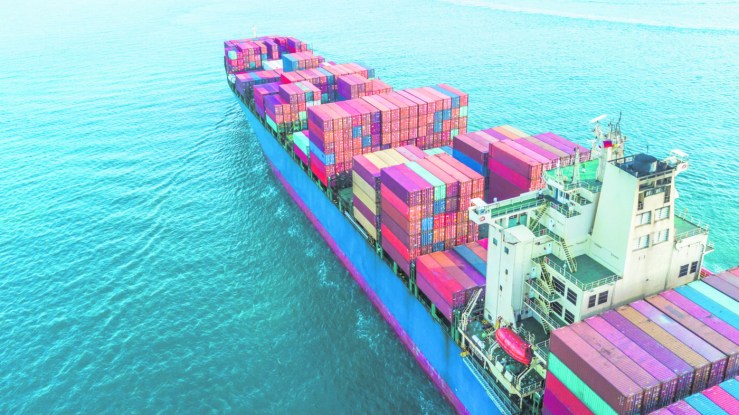
The Strait of Hormuz has become a global bottleneck. Ships are stuck, freight is more expensive, insurance is higher, and even a "war tax" is being levied. This increases the cost of Brazilian products and jeopardizes important contracts. We are talking about strategic markets. Brazil is a leader in the export of halal meat. This is a specific type of slaughter for the Muslim market, adhering to the precepts of Islamic law.

Photo: Disclosure
In the poultry agro-industry, the sector where I work, we are observing a scenario of heightened concerns and logistical challenges due to the escalation of conflicts in the Middle East. Our country ships approximately 100,000 tons of halal chicken per month to this region – mainly to the United Arab Emirates, Oman, and Yemen.
Part of these exports is threatened by instability that is completely beyond our control. The risk is clear: losing competitiveness, reducing volume and, in some cases, even halting production due to a lack of logistical security.
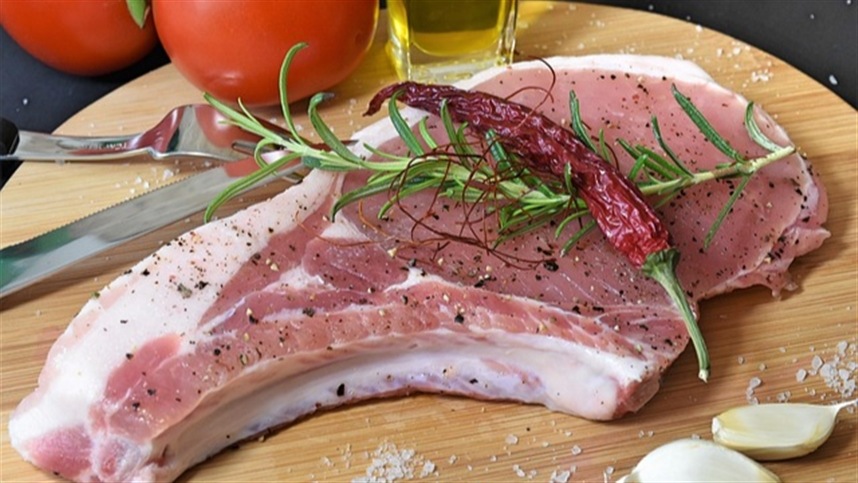
At the end of the chain, the consumer pays the price. Chicken, eggs, pork—all these products tend to rise in price, not due to increased demand, but due to cost pressures. It's imported inflation, caused by a war that isn't ours, but which already directly impacts our daily lives.
What this crisis reveals is something the productive sector has known for a long time: Brazil is still too dependent on external inputs and vulnerable logistics routes. We have production, we have technology, we have scale. But we remain exposed.
To remain a leading player in global agriculture, we need to advance in autonomy, especially regarding fertilizers, and strengthen our logistics, reducing our vulnerabilities. And in this scenario, Mato Grosso is at the center of the debate. What happens here impacts the entire country.
The war may be far away on the map. But, in practice, it has already reached the countryside, industry, and the plates of Brazilians, and ignoring this now is a mistake that will be costly later on.