EN
EN  PT_BR
PT_BR 
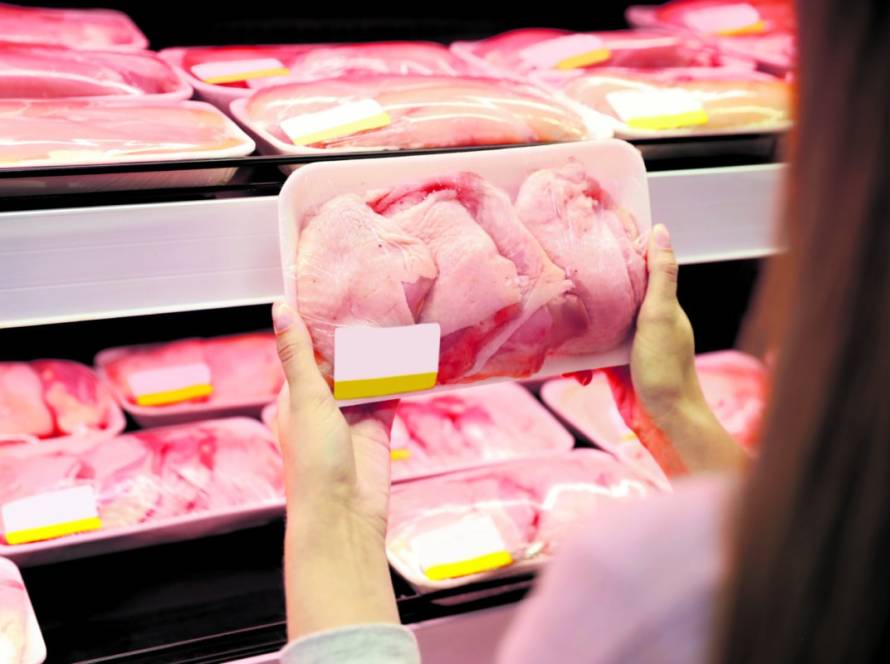
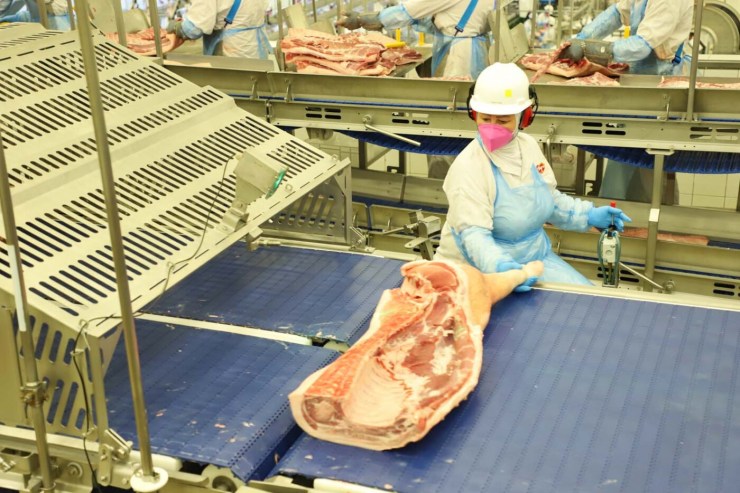
The performance of chicken meat exports from Rio Grande do Sul in this first quarter was marked by distinct movements between periods. While the month of March showed growth of 12% in the volume shipped compared to the same month of 2025, going from 63,000 tons last year to 70,000 tons this year, the volume of exports in the accumulated quarter registered a slight retraction of -0.3% compared to the previous year, a result that reflects stability and market recovery.

Photo: Marcelo Casal Jr/Agência Brasil
In terms of revenue, performance was positive both for the month and year-to-date, highlighting the importance of poultry products from Rio Grande do Sul in importing countries. In March of this year, chicken meat exports generated revenue of US$135.1 million, a growth of 21.9% compared to the US$110.8 million recorded in the same month of 2025. In the consolidated first quarter, revenue reached US$362.2 million, an increase of 6%.3% compared to the US$340.8 million obtained in the same period of the previous year, reflecting the appreciation of the product in the international market.
According to the CEO of the Rio Grande do Sul Poultry Organization (Asgav/Sipargs), José Eduardo dos Santos, the performance demonstrates the value of the Rio Grande do Sul poultry industry in importing countries. “Chicken meat produced here in the state continues to be valued in the international market, driven by global demand, sanitary issues in other countries, and the loyalty of many importers, who at the end of the [period/period]…”

Executive President of the Poultry Organization of the State of Rio Grande do Sul (Asgav/Sipargs), José Eduardo dos Santos: “Chicken meat produced here in the state continues to be valued in the international market, driven by global demand, sanitary issues in other countries, and the loyalty of many importers” – Photo: Press Release/Asgav
"Despite the embargoes, they returned with a great 'appetite' to buy our product," he says.
The sector is paying close attention to the effects of the crisis in the Middle East, which has increased production costs.
Increase in exports from Rio Grande do Sul
In the egg segment, exports from Rio Grande do Sul totaled 1,730 tons in the first quarter, a volume 45.61% higher than that recorded in the same period of the previous year, with 1,188 tons shipped. With this significant increase in export volumes, revenue showed growth of 78.1%, reaching US$6.8 million, compared to US$3.8 million last year, reflecting the appreciation of the product in the international market and the gradual recovery of external demand from relevant markets.

Photo: Shutterstock
Santos believes that maintaining strategic markets reinforces the positive outlook for the egg industry and production sector in Rio Grande do Sul. "The resumption of egg exports, especially to traditional destinations, reaffirms Rio Grande do Sul's position in international trade and brings good growth prospects throughout the year, keeping pace with external demand and the increasing value of poultry products from Rio Grande do Sul," he emphasizes.
Chicken meat exports grow 6%
Brazilian exports of chicken meat (considering all products, both fresh and processed) totaled 504,300 tons in March, according to the Brazilian Association of Animal Protein (ABPA). This figure exceeds by 6% the total exported in the same period last year, when 476,000 tons were shipped.
Monthly export revenue also reached a record high. In total, it was US$944.7 million in March of this year, a figure 6.21% higher than the US$889.9 million in the same period of 2025.
In the year (January to March), the volume shipped by the sector reached 1.456 million tons, exceeding by 5% the total exported in

Photo: Shutterstock
The first quarter of 2025 saw a growth of 1.387 million tons. The growth is even more significant in revenue, reaching US$2.764 billion this year, a 6.91% increase compared to the previous year's US$2.586 billion.
Brazilian egg exports
The external market for the Brazilian egg production industry, as a whole, showed declines in volumes and revenues in the quarter, as shown in the table below. This is due to the repositioning and planning of production and sales volumes in some states, which will certainly return to average export levels over the next few months.