EN
EN  PT_BR
PT_BR 
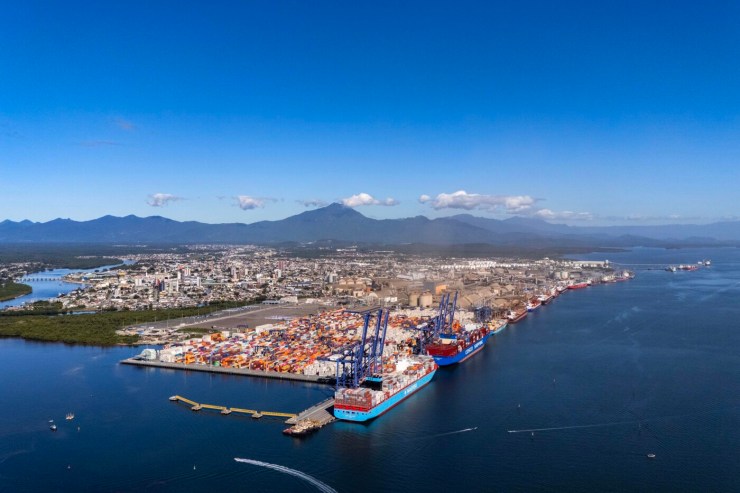
The trade agreement between Mercosur and the European Union comes into effect this Friday (1st), with a direct impact on Brazilian exports. According to estimates by the National Confederation of Industry (CNI), more than 80% of the products sold by Brazil to the European bloc will have zero import tariffs in this initial phase.

Photo: Shutterstock
Without European Union tariffs, Brazilian companies will be able to sell most of their products to Europe without paying import taxes, which reduces costs and increases competitiveness against competitors from other countries.
The agreement creates one of the world's largest free trade areas, connecting a market of over 700 million consumers. According to the CNI (National Confederation of Industry), more than five thousand Brazilian products will have zero tariffs immediately, including industrial and agricultural items.
What changes for Brazilian exports?
Today, many products exported by Brazil face tariffs when entering the European market, which increases the final price and hinders competition. With this agreement, these barriers are beginning to be eliminated.
Of the 2,932 products that will have zero tariffs from the start:
• Approximately 93% (2,714) are industrial goods

Photo: Shutterstock
• The rest include items from the food sector and raw materials.
This tends to primarily benefit Brazilian industry, which gains more competitive access to one of the most demanding and relevant markets in the world.
Sectors that benefit most
Among the sectors that should feel the most positive impact are:
• Machinery and equipment (21.8% of the 2,932 products with immediate reduction);
• Food (12.5%);
• Metallurgy (9,1%);
• Electrical machinery, apparatus and equipment (8,9%);
• Chemical products (8,1%).
In the case of the machinery and equipment sector, almost 961% of Brazilian exports to Europe will now enter without tariffs.

Photo: Shutterstock
It includes products such as compressors, industrial pumps, and mechanical parts.
In the food sector, hundreds of items will also have zero tariffs, expanding the market for Brazilian products in Europe.
Why the agreement is important
The agreement is considered strategic because it significantly expands Brazil's commercial reach. Currently, countries with which Brazil has trade agreements represent approximately 91% of global imports. With the entry of the European Union, this number could jump to more than 371% of global imports.
Furthermore, the treaty brings more predictability for businesses, with clear rules on trade, government procurement, and technical standards.

Photo: Marcos Oliveira/Senate Agency and Gpoint Studio/Freepik
Gradual implementation
Despite the immediate impact, not all products will have their tariffs reduced to zero at once. For items considered more sensitive, the reduction will be gradual.
• Within 10 years in the European Union
• Within 15 years in Mercosur
• In some specific cases, such as new technologies, the timeframe can reach 30 years.
Next steps
The entry into force marks only the beginning of implementation. The Brazilian government still needs to regulate details such as the distribution of export quotas among Mercosur countries.
Furthermore, business entities from both blocs should create a committee to monitor the implementation of the agreement and help companies take advantage of the new opportunities.