EN
EN  PT_BR
PT_BR 
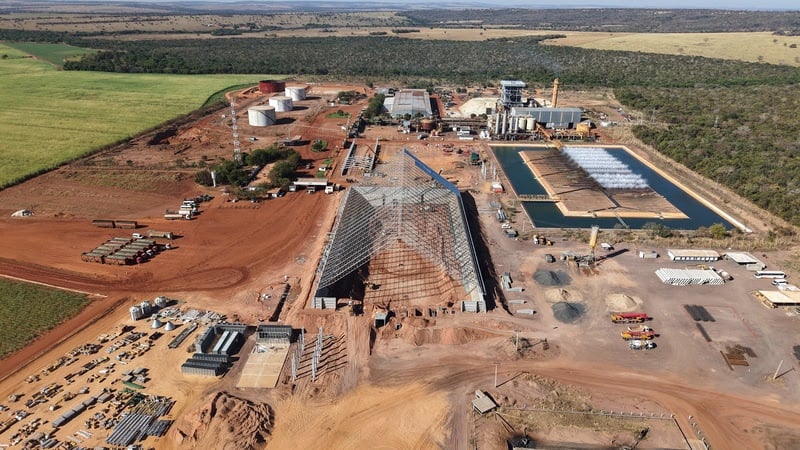
Biodiesel production in Mato Grosso advanced in March and made the state account for 26% of national production. The data are part of the new bulletin from the Mato Grosso Institute of Agricultural Economics (Imea), released on Monday (4).
In total, the plants in Mato Grosso produced 228,360 cubic meters of renewable fuel, a percentage close to one-third of the national volume, which was 893,600 m³. According to the survey, the result represents the highest level in the state's historical series, with a growth of 16.90% compared to February.
According to Rodrigo Silva, coordinator of Agricultural Market Intelligence at Imea, the increase in biodiesel production in Mato Grosso is mainly associated with the growing demand for biofuel in diesel fuel.
Since August of last year, Brazil has adopted the blending of 15% biodiesel in diesel fuel (B15). This scenario has stimulated increased processing at plants located in the state, keeping pace with market demand. "The increase in the mandatory blend and the stronger demand for biodiesel have contributed to this increase in production," he stated.
In this analysis, Rodrigo also highlighted that the movement reflects an adjustment by the industry to the dynamics of fuel consumption in the country, which has sustained the sector's recent growth.
New projections from Imea
In addition to biodiesel, the new bulletin indicated a revision to the cotton cultivation estimate in Mato Grosso. The planted area for cotton cultivation for the 25/26 crop year was projected at 1.38 million hectares, thus showing a reduction compared to previous estimates. On the other hand, productivity was adjusted to 297.69 arrobas per hectare, resulting in an estimated production of 6.14 million tons of seed cotton.
Regarding corn, Imea's survey maintained the 25/26 crop area at 7.39 million hectares and revised productivity to 118.78 sacks per hectare, an improvement over the previous estimate. As a result, production was projected at 52.66 million tons, reflecting favorable crop conditions in parts of the state, boosted by recent rainfall.
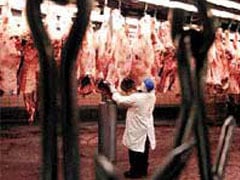
In the fat cattle market, prices rose in April in Mato Grosso, when the arroba reached an average of R$ 350.11, driven by the restricted supply of animals for slaughter. According to the institute, this scenario contributed to narrowing the basis differential in relation to the São Paulo market, with an average of R$ 367.57.
In the swine segment, the market saw a drop in prices. In April, the price paid to Mato Grosso producers was R$ 5.96 per kilo, a decrease compared to the previous month. Analysis from the Imea bulletin reveals that this result is due to lower domestic demand, which increased the supply of both live animals and meat at the wholesale level, thus putting downward pressure on prices.
Regarding raw materials, soybean oil remained the main input used in Mato Grosso, with a share of 84.00%, despite a decrease of 0.34 percentage points compared to February.
Text: Jonatas Boni – Famato