EN
EN  PT_BR
PT_BR 
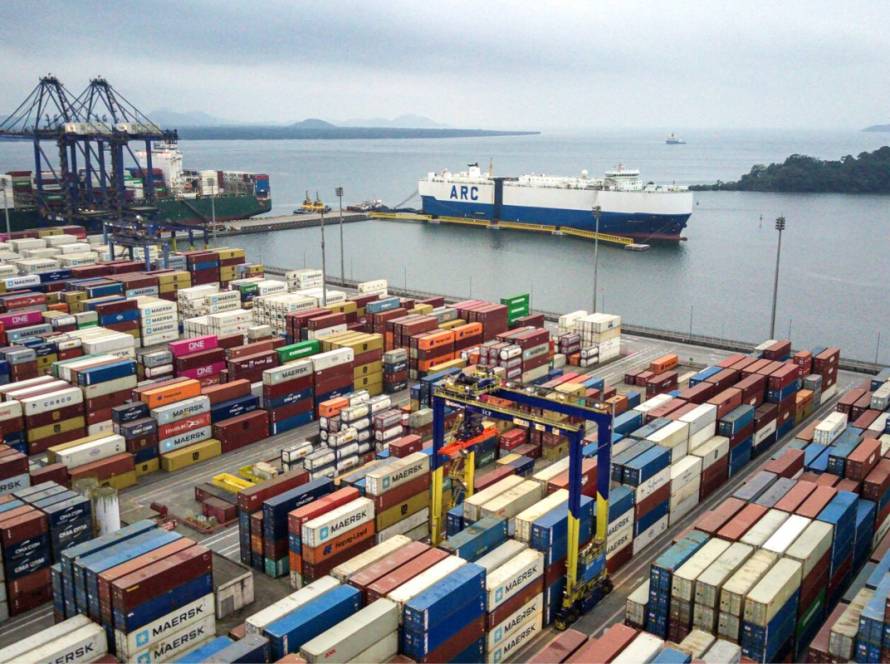
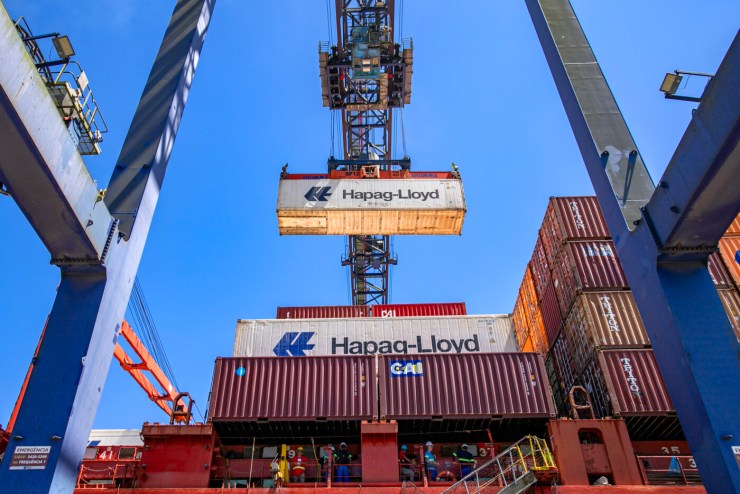
Brazilian agribusiness exports totaled US$16.65 billion in April 2026, a record result for the month since the beginning of the historical series in 1997. The value represents growth of 11.71% compared to April 2025.
 The result guaranteed agriculture a 48.81% share of Brazil's total exports during the period. In the accumulated period from January to April, agribusiness exports reached US$54.6 billion, also a record for the four-month period.
Compared to April of last year, the volume of exports grew by 9.51%, while the average price increased by 2.11%. Imports of agricultural products totaled US$1.62 billion, a decrease of 3.61% in the same comparison, resulting in a surplus of US$15 billion for the sector in the month.
The international landscape, marked by the increasing emphasis on supply regularity, delivery capacity, and sanitary safety, also favors Brazil's positioning in global markets. The expansion of international access to Brazilian products also contributes to this result. Since the beginning of the current administration, the country has already surpassed the mark of 600 new market opportunities for agricultural products, strengthening the diversification of Brazil's export portfolio.

Among the main destinations for Brazilian agricultural exports, China remained in the lead, with purchases of US$6.6 billion in April and a share close to 40% of the sector's export portfolio. This result represents growth of 21.8% compared to the same month in 2025. The European Union occupied second place, with US$2.36 billion and a share of 14%, growth of 8.7% compared to April 2025. The United States appears next, with US$1 billion exported and a 6% share, despite a decrease of 16.8% year-on-year.
Soybeans maintained their leading position among products exported by Brazilian agribusiness. External sales reached US$6.9 billion, an increase of 18.8% compared to April 2025. The exported volume reached 16.7 million tons, a growth of 9.7% compared to the same period of the previous year and a record for the month of April, in a scenario of a record soybean harvest in the 2025/2026 cycle, estimated by Conab. Furthermore, the 8.4% increase in the average price contributed to raising export revenue.

Photo: Shutterstock
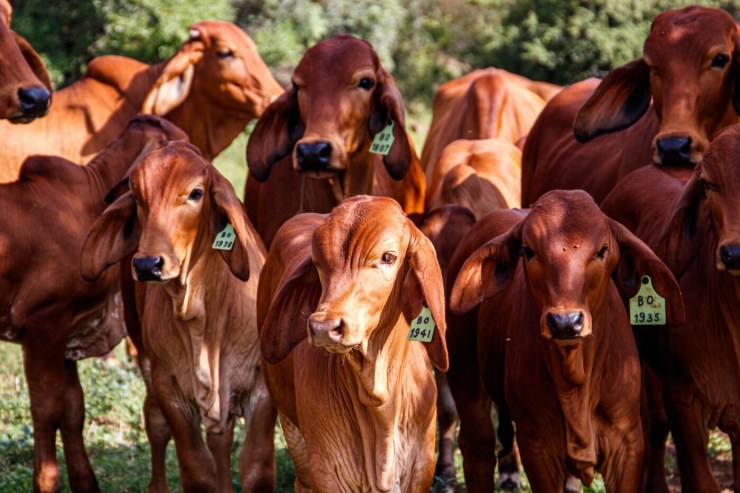
Fresh beef also registered a historic performance, with exports of US$1.6 billion, an increase of 29.4% year-on-year, and shipments of 252,000 tons, a growth of 4%. Both the value and volume were records for the month of April. China remained the main destination for Brazilian beef, with US$877.4 million in purchases, equivalent to 55.8% of Brazilian sales of the product in the period.
Among the segments with the most significant agricultural exports in April were the soybean complex, with US$8.1 billion and an increase of 20.4%; animal proteins, with US$3 billion and growth of 18%; forestry products, with US$1.4 billion and an increase of 8%.; and coffee, with US$1.2 billion, despite a decrease of 12%. Fibers and textile products also showed significant growth, as did cotton, which recorded record values and export volumes.

Cellulose also recorded record performance, with US$854.7 million exported, an increase of 16%, and soybean meal, which reached 2.4 million tons shipped, a growth of 12.7%.
Less traditional products also gained ground in Brazil's export agenda. Among the highlights of the month are dried peppercorns, pet food, orange essential oil, beef tallow, avocado, and mango, all with record results in value or volume exported.
Brazilian fruit farming has also experienced expansion in international trade, driven by the opening of new markets. Since 2023, 34 new export opportunities have opened up for Brazilian fruits. Between January and April 2026, products such as melons, lemons, limes, watermelons, and papayas registered record export levels.

According to the Secretary of Trade and International Relations of the Ministry of Agriculture and Livestock, Luís Rua, the result reinforces Brazil's position as a reliable partner in international trade. "The April result shows that when the productive strength of agriculture combines with open markets, negotiation, and international presence, the country transforms potential into concrete access. After all, foreign trade is built this way: with method, continuity, and presence," he stated.
According to the Minister of Agriculture and Livestock, André de Paula, the performance highlights the sector's relevance to the Brazilian economy. “The record in April confirms the size and responsibility of Brazilian agribusiness. This means income in the countryside, jobs in industry, opportunities for producers, and a greater Brazilian presence in international trade. This result stems from the work of producers, cooperatives, agribusiness, exporters, and the federal government's close collaboration with the productive sector,” the minister emphasized.