EN
EN  PT_BR
PT_BR 
The combination of a record grain harvest, increased demand for transportation, and historical limitations in Brazil's logistics infrastructure is putting pressure on the country's road freight market. According to analyses by Esalq-Log, prices for transporting agricultural cargo are rising sharply and are already approaching the highs recorded in recent outflow cycles.

Thiago Cardoso, administrator with international specialization in Marketing and Business Strategy and an MBA in AI and Data for Business, states: “Brazil still operates with a strong logistical imbalance, concentrating a large part of agricultural transport in trucks, while other modes remain underutilized in strategic production regions.” – Photo: Press Release
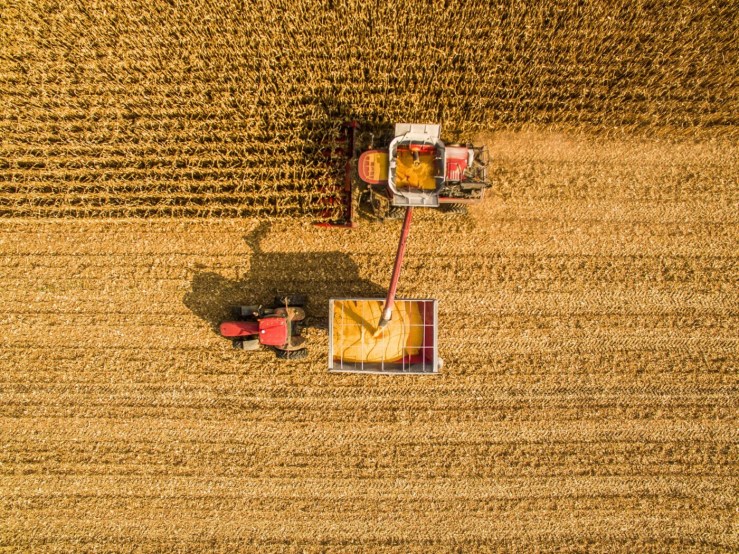
The movement occurs at a time of high flow of soybeans and corn towards export ports, driven by the high productivity of the crops favored by the climatic conditions of the 2025/26 harvest.
In practice, the increase in production has intensified the competition for available trucks for transport, especially in the main producing regions of the Midwest and Matopiba.
“The basic principle of supply and demand applies directly to the current scenario. Agricultural trading companies have practically the same availability of trucks for a larger harvest, which ends up raising freight prices,” says Thiago Cardoso, an administrator with international specialization in Marketing and Business Strategy and an MBA in AI and Data for Business.
According to him, the problem goes beyond a simple lack of vehicles and exposes structural weaknesses in the national logistics system. Storage difficulties are one of the factors exacerbating the current situation. With limited capacity to store part of their production, companies end up using their own trucks as temporary storage facilities.
The result is increased vehicle downtime, reducing fleet availability for new operations and further pressuring transportation prices. "In an attempt to store inventory in the face of the high harvest season, agricultural trading companies are storing products inside or on top of trucks, leaving them idle for longer periods," explains Cardoso.

Photo: Geraldo Bubniak
This effect creates a cycle of logistical inefficiency precisely at the time when there is the greatest need to transport agricultural production.
In addition to storage limitations, the sector continues to face problems related to transportation infrastructure. Deteriorated roads, poor rail integration, and limitations on waterways reduce the fluidity of operations and increase logistics costs throughout the supply chain.
The reliance on road transport also increases the system's vulnerability during peak harvest periods. "Brazil still operates with a strong logistical imbalance, concentrating a large part of agricultural transport in trucks, while other modes remain underutilized in strategic production regions," Cardoso points out.
Intermodality

Photo: Geraldo Bubniak/AEN
Given the rising costs, intermodality emerges as one of the main alternatives to increase efficiency and reduce pressure on road transport.
According to Cardoso, the combination of highways, railways, and waterways can increase the system's operational capacity and reduce costs in transporting production. "Intermodality is one of the main ways to contribute to improving this scenario, using different modes of transport to reduce costs and increase efficiency," he emphasizes.
Technology and monitoring
In addition to the diversification of transport modes, the use of logistics technology is gaining ground among trading companies, cooperatives, and transport operators. Fleet monitoring tools, integrated management systems, and more strategic warehouse distribution help reduce unnecessary travel and improve the operational efficiency of trucks. "The use of monitoring systems allows for optimizing vehicle movement and suggesting more efficient routes," mentions Cardoso.
The assessment from the sector is that, while the country is expanding its agricultural production at an accelerated pace, logistics continues to be one of the main limitations to Brazilian competitiveness in the global grain market.