EN
EN  PT_BR
PT_BR 
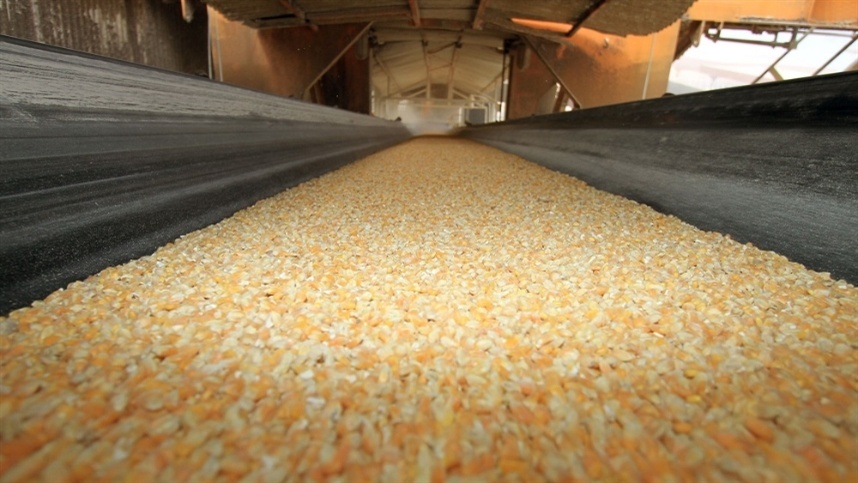
THE corn Trading continues at high levels in most Brazilian producing regions, amid tighter supply from sellers and rising international prices. According to Cepea, the market is also monitoring uncertainties about the potential effects of El Niño on the 2026/27 season, which has already begun sowing in the South of the country.
Even with the second harvest nearing completion, producers have avoided putting large volumes up for sale. According to Cepea, this stance reduces the availability of lots for negotiation and contributes to supporting prices in the domestic market. The behavior of prices abroad also favors this scenario. According to the Research Center, international appreciation increases export parity and offers additional support to the prices practiced in Brazil.
The upward trend, however, is encountering resistance among buyers. Some of these agents have prioritized consuming volumes purchased in advance, avoiding new purchases at current levels. According to researchers at Cepea, these buyers are working with the possibility of a larger supply in the coming weeks. This assessment considers factors such as full warehouses, the need to pay debts, and the weaker pace of Brazilian exports this season, conditions that may increase the need for producers to sell.
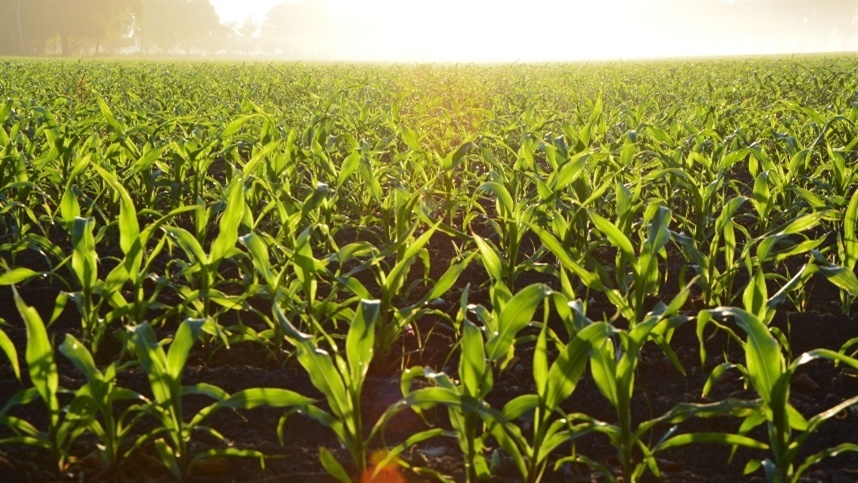
At the same time, the market is beginning to turn its attention to the 2026/27 summer crop. Sowing has already begun in southern Brazil, and Rio Grande do Sul may see an increase in the area dedicated to corn. According to Cepea, even in the face of climate concerns, some producers have decided to expand the area dedicated to the cereal as a way to diversify production and reduce exposure to risks related to other crops, including soybeans.