EN
 PT_BR

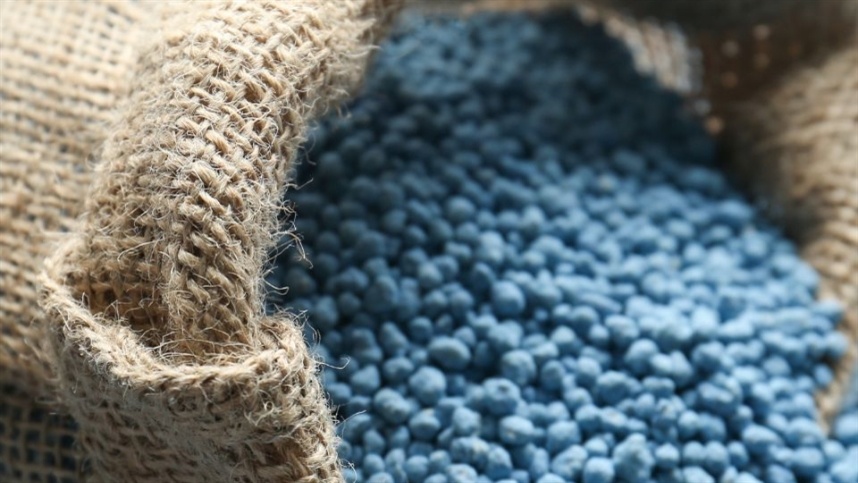
The Brazilian fertilizer market ended the first half of 2026 on a more cautious note, with a decline in deliveries, domestic production, and imports of intermediate products. According to Erick Santos, an agribusiness strategist, the figures for the period show a slowdown that deserves attention because it is directly related to purchasing, investment, and financing decisions for the next harvest.
Between January and June, fertilizer deliveries to the market totaled 19.02 million tons, a decrease of 5.41 TP4T compared to the 20.11 million tons recorded in the same period of 2025. In June alone, the decline was more intense, at 17.21 TP4T, with the volume falling from 4.29 million to 3.55 million tons.
Domestic production of intermediate goods also decreased. In the first half of the year, 2.94 million tons were produced, a result 16.31% lower than the 3.51 million tons of the previous year. Imports fell 4.21%, from 18.47 million to 17.69 million tons.
Among the factors that influenced this scenario are tighter credit, high interest rates, greater international uncertainty, and tensions in the Middle East. The period was also marked by producers' caution in the face of the climate scenario and the volatility of agricultural prices, as well as risks of judicial reorganizations in parts of the supply chain and higher costs. The postponement of purchases and the slower pace of new business in the second quarter also contributed to the trend.
Mato Grosso led the destinations in the first half of the year, with 4.90 million tons, followed by Paraná, Goiás, São Paulo, and Minas Gerais. For Santos, monitoring this trend is important because fertilizer is directly integrated into the financial and productive planning of rural properties.