EN
EN  PT_BR
PT_BR 

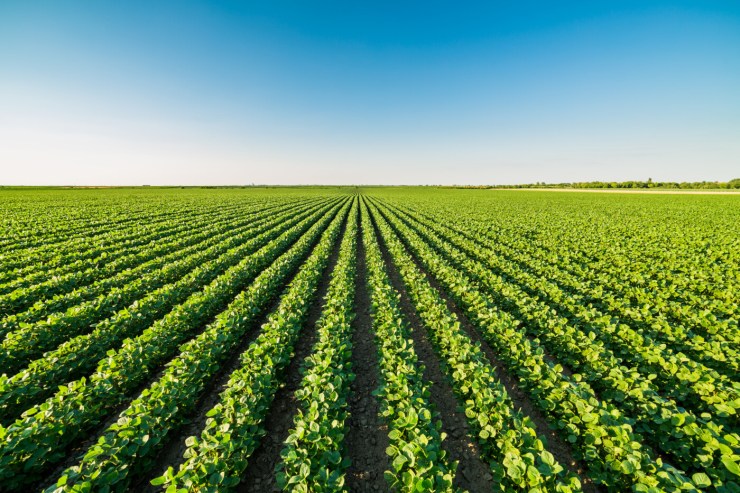
The beginning of October coincides with the advancement of planting of soy In different regions of the country, the physical market is shrinking, prices are under pressure in some areas, and producers are more focused on field operations. According to TF Agroeconômica, the drop in Chicago prices reduced buying signals, while the rise in the dollar helped preserve some parity at ports and limited losses in some markets.
In Rio Grande do Sul, the official planting window for the 2026/27 crop opened on October 1st and continues until January 28th. Prices in Passo Fundo fell to R$ 153.00, in Santa Rosa to R$ 153.00, and in Rio Grande to R$ 162.00. The price reduction came from buyers, without a significant increase in supply, while well-capitalized producers maintain a wait-and-see approach.
In Santa Catarina, excessive rainfall has become the main risk to the pace of work. The forecast of above-average precipitation could reduce planting windows, hinder management, and increase disease pressure. In terms of physical conditions, São Francisco do Sul remained at R$ 161.00.
In Paraná, planting reached 28% out of the projected 5.74 million hectares. Prices in Cascavel fell to R$ 149.00 and in Paranaguá to R$ 160.00. Even with the higher dollar, the decline in Chicago weighed on prices and kept sellers away.
In Mato Grosso do Sul, planting reached 5.11 TP4T of the projected area, with greater progress in the South and Central regions, while the North still depends on more regular rainfall. In Mato Grosso, sowing reached 3.871 TP4T, with attention focused on low humidity. Imea's indicators registered small increases in some areas, but liquidity remains low and producers remain cautious both in sales and in the advancement of machinery.