EN
 PT_BR

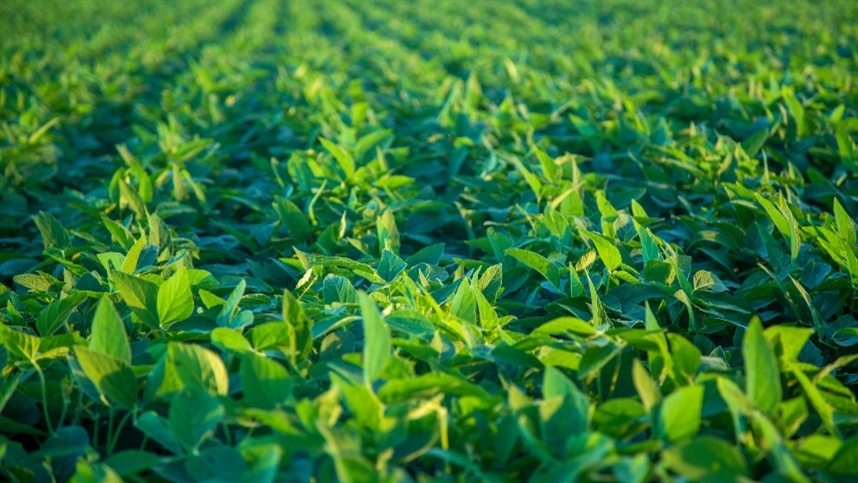
Brazilian production of soy Production is expected to remain concentrated in a group of states in the 2026/27 harvest, with significant differences in harvested volume and crop productivity. According to a survey presented by Antonio Prado GB Neto, an agribusiness consultant, based on October estimates from the National Supply Company (Conab), Brazil is expected to produce 181.6 million tons in an area of 49.3 million hectares.
The ten largest producing states account for 90.671 TP4T of national production and occupy 90.891 TP4T of the cultivated area. Together, they are expected to harvest approximately 164.7 million tons, reinforcing the concentration of activity in regions that are strategic for Brazilian agribusiness.
Mato Grosso remains in the lead, with an estimated production of 50.9 million tons, equivalent to 28.02% of the Brazilian total. The state also concentrates the largest planted area, with approximately 13.1 million hectares.
In second place is Paraná, with a forecast of 21.8 million tons, followed by Goiás, with 20.3 million. Rio Grande do Sul occupies fourth place, with 20.2 million tons, but has lower productivity than the other members of the group, estimated at 2,993 kilograms per hectare.
Mato Grosso do Sul completes the top five positions, with 15.9 million tons. Following are Minas Gerais, Bahia, Tocantins, Maranhão, and Pará.
Among the ten largest producers, Bahia has the highest projected productivity, at 4,069 kilograms per hectare, above the Brazilian average of 3,683 kilograms. Goiás also stands out, with an estimated yield of 3,908 kilograms per hectare.
The distribution of production highlights the importance of monitoring weather conditions, credit availability, and logistical infrastructure in the main producing states. These factors can influence crop performance, marketing costs, and the risks involved in the 2026/27 harvest.