EN
EN  PT_BR
PT_BR 
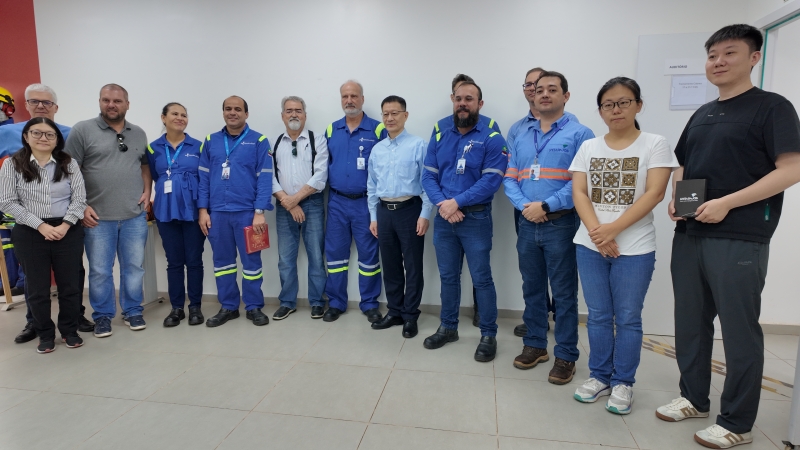
This Thursday (November 13th), the vice-president of the Mato Grosso Soybean and Corn Producers Association (Aprosoja MT), Luiz Pedro Bier, was in Barcarena (PA) accompanying a Chinese delegation from the China Chamber of Commerce for Import and Export of Food, Native Products and Animal By-products (CFNA), on a technical visit to the Barcarena port complex, which is part of the Northern Arc ports.
The delegation consisted of the president of CFNA, Cao Derong; the deputy director of the CFNA's Cereals and Oils Department, Li Sifan; and the manager of Leader Grain HK Ltd., Guo Jiapeng.
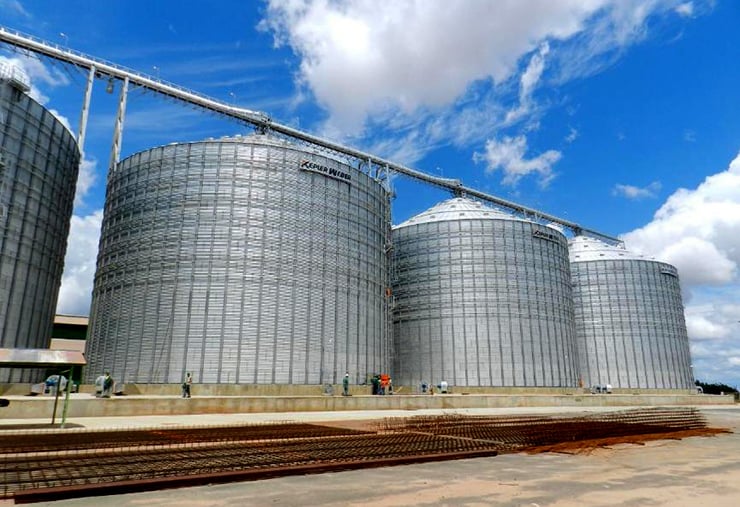
During the visit to the Unitapajós and Hidrovias do Brasil facilities, participants learned about the entire port logistics structure, from the arrival of trucks with grains to the loading process of ships destined for export. The delegation closely followed the stages of storage, classification, and shipment of soybeans, in addition to observing ships arriving in Brazil with fertilizers and returning abroad with grains produced in Mato Grosso.
“We are here in Barcarena, taking advantage of COP30 to bring a Chinese delegation and show them firsthand how the port complex works. This visit is fundamental for them to clarify any doubts about the quality of our soybeans, something very important for China. We showed them all the stages of the export process, from road transport and reception to final shipment. We discussed moisture, classification, and quality control, points that reinforce the seriousness of the work done in Brazil,” highlighted Luiz Pedro Bier.
The vice-president of Aprosoja MT also emphasized that the visit was an opportunity to strengthen ties with the main trading partner of Brazilian agribusiness.
“The Chinese are our biggest buyers, and it’s essential that they understand our reality, see how Brazilian farmers work, and learn about our commitment to quality and sustainability. This kind of interaction strengthens trust and opens new avenues for trade between the two countries,” Bier added.
The growth of the Northern Arc reinforces the strategic role of this logistics route in Brazilian exports. According to data from Unitapajós, in 2013, Brazil exported 42.8 million tons of grains, with 121 TP4T through the Northern Arc and 881 TP4T through the ports of the South and Southeast. By 2024, the total volume had jumped to over 151 million tons, with 361 TP4T shipped through the Northern Arc and 641 TP4T through the ports of the South and Southeast, an advance that consolidates the region as one of the main logistics alternatives in the country.
The technical visit concluded Aprosoja Mato Grosso's participation in COP30, strengthening dialogue with the Asian market and reinforcing the organization's commitment to transparency, sustainability, and efficiency in the production and export of Brazilian soybeans.