EN
EN  PT_BR
PT_BR 
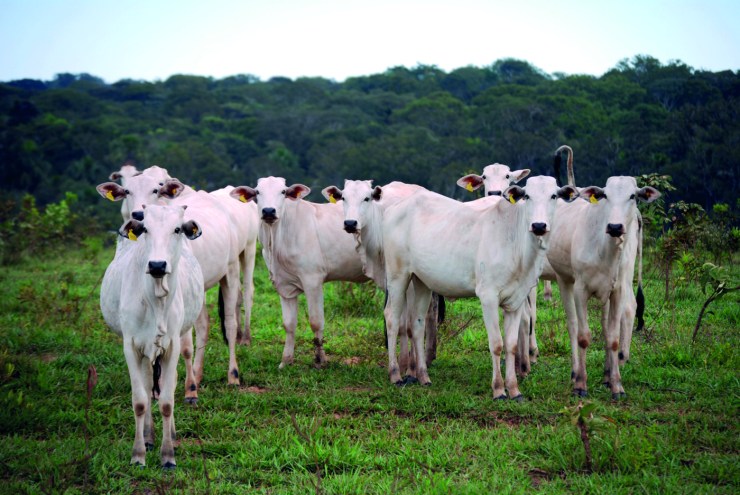
The cattle market showed mixed performance in September. Fat cattle started the month with a decline, reaching R$302/@ on September 24th, but recovered slightly to R$308/@ on October 10th, according to the Cepea Indicator. The decrease was influenced by the high supply of feedlot cattle and weaker domestic demand. Compared to the August average, however, there was a slight increase of 0.3%.
In Mato Grosso, the slaughter schedule increased from 10 to almost 14 days between the end of August and September, with the percentage of females slaughtered higher than that recorded last year. From January to August, the total slaughtered in the state fell by 1%, with a reduction of 7% in males and an increase of 5% in females.

Photo: Gisele Rosso
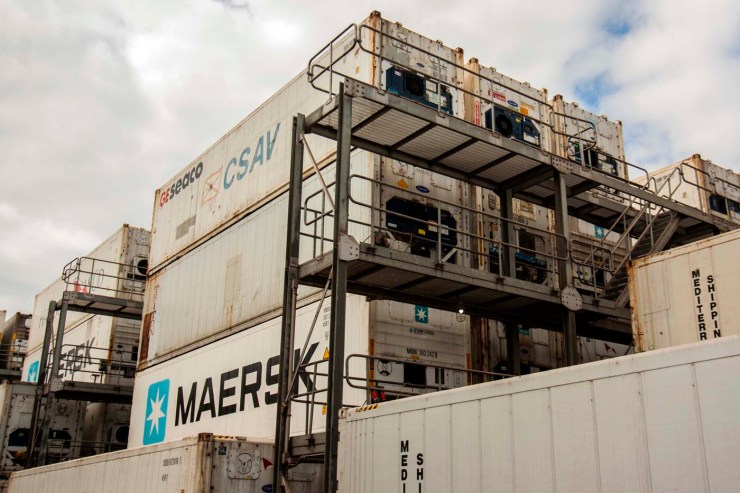
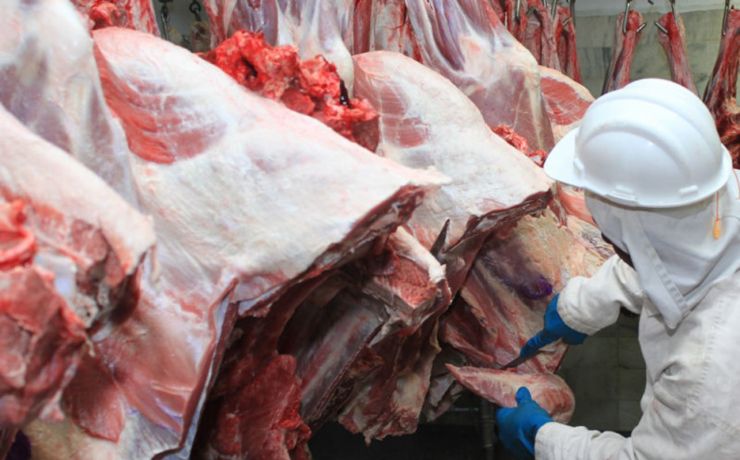
Despite the domestic scenario, beef exports remained strong, reaching a record 314,700 tons of fresh beef, 251 TP4T above September 2024, with a slight increase of 0.31 TP4T in the average price in dollars, the highest nominal value in 35 months. China increased its purchases by 38.51 TP4T, while the US registered a decrease of 621 TP4T. Mexico, the Philippines, Chile, and Russia also maintained a good pace of imports.
The appreciation of cattle in dollars (+1.8%) reduced the export spread from 13% to 11%, matching September 2024. In the breeding market, the calf advanced 2.5% in September, despite the weaker scenario for finished cattle.
On the other hand, the exchange ratio for raising/fattening cattle worsened significantly compared to 2024: the price of steers increased by 20% and the price of breeding cattle increased by 40% when comparing September 2025 with the same month of the previous year, indicating an increase in production costs for livestock farmers.