EN
EN  PT_BR
PT_BR 
In 2025, the egg market maintained a positive trajectory, with record production and shipments, despite the case of avian influenza on a commercial farm in May.
Research from Cepea shows that prices reached real records at the beginning of the year; however, with the increase in domestic supply throughout 2025, they began to decline. Even so, the good pace of shipments helped to limit the domestic price drop.
Protein prices started 2025 below those practiced in December 2024, reflecting the still subdued demand, typical of the beginning of the year. In February, however, the gradual increase in demand with the return to school and the more limited supply raised prices, which reached the highest levels in the Cepea historical series. The increases persisted until March, a period in which demand for protein is traditionally driven by Lent. However, they began to fall from April onwards in all regions monitored by Cepea, with the exception of August.

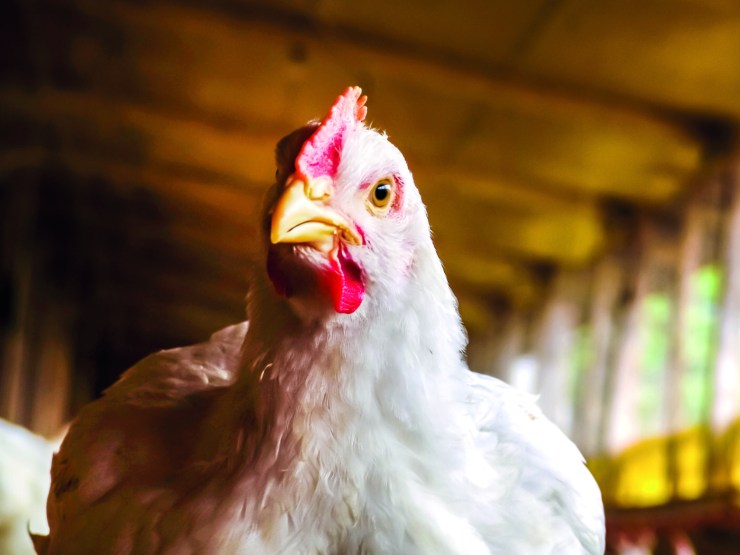
Photo: Freepik
National egg production for consumption totaled 3.04 billion dozen (from January to September 2025), a volume 6.91 times higher than the same period in 2024 and a record, according to IBGE. In the international market, the increase in cases of avian influenza reduced the supply of eggs in several countries.
In the US, a significant outbreak led the country to increase purchases of Brazilian protein, the volume of which, between January and November, exceeded the total imported in the previous year by 825%.
According to Secex, in the first 11 months of 2025, egg shipments...in nature and processed totaled 38,640 tons, 109% above the volume for the entire year of 2024 and a record.
The sector also faced some external challenges. The tariffs imposed by the US government in August reduced egg shipments to the US. On the other hand, new markets opened up, such as Mexico. Furthermore, the swift resolution of the isolated IAAP case allowed Brazil to resume its... status international health concerns highlighted the country's potential to continue meeting growing domestic and international demands.