EN
EN  PT_BR
PT_BR 
In the first fifteen days of December, rainfall volumes observed in most of the country contributed to raising soil water levels and the development of first-crop plantings, without hindering the completion of the winter crop harvest. This analysis is in the Agricultural Monitoring Bulletin (BMA), released this week by the National Supply Company (Conab). According to the document, spectral data also show that, in general, crops are developing under good conditions in most regions.
In the Midwest, the country's main grain-producing region, the highest rainfall volumes occurred in northeastern Mato Grosso and northern Goiás. The recorded rainfall was more regular and favored increased soil moisture. A similar scenario was observed in the Southeast region.

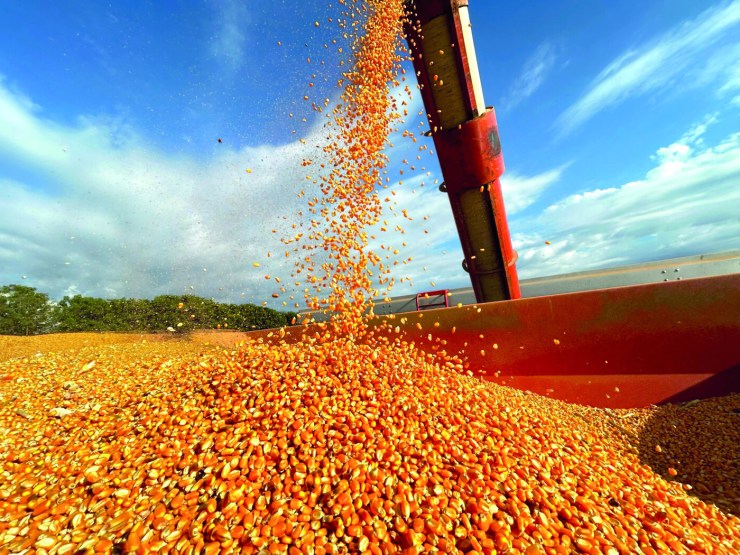
Photo: Disclosure
In the south of the country, rainfall was unevenly distributed, with the highest volumes recorded in northern and western Paraná. In Rio Grande do Sul, the first five days of December saw low rainfall, which favored the completion of the winter crop harvest. However, during the other periods analyzed, especially from the 6th to the 10th of this month, the accumulated rainfall helped restore soil moisture, promoting more favorable conditions for sowing and crop development. Regarding the states of Paraná and Santa Catarina, the climatic conditions in the first half of the month were, in general, favorable for crop development.
In the Northern region, rainfall volumes recorded in Tocantins and parts of southern and northwestern Pará were favorable for sowing and the development of first-crop plantings. However, some crops experienced restrictions due to irregular rainfall and high temperatures in northeastern Pará. In the Brazilian Northeast, accumulated rainfall volumes in most of the Matopiba region (which encompasses areas of Maranhão, southwestern Piauí, western Bahia, and Tocantins) favored sowing and the development of first-crop plantings, but were insufficient for some crops in eastern, central, and western Maranhão.
The complete bulletin with information about the climate and its impacts on the harvest is available at [website address]. Conab Portal.