EN
EN  PT_BR
PT_BR 
The winter cereal harvest in Santa Catarina, which ends in 2025, is marked by distinct trends among the crops, reflecting both market conditions and the strategies adopted by producers. While wheat lost ground due to pressured prices and lower economic attractiveness, oats and barley consolidated themselves as relevant alternatives for income, productive diversification, and soil conservation in the state.

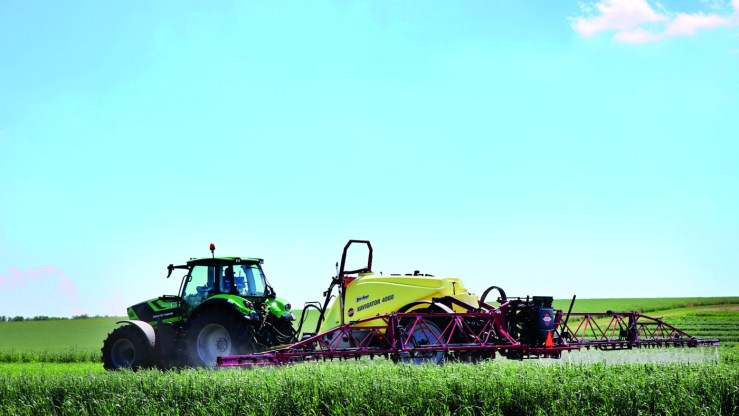
Photo: Cleverson Beje
The most recent data from the Santa Catarina Agricultural Observatory shows that the area planted with wheat in Santa Catarina totaled 105,100 hectares this season. Despite the reduction in area, the quality of the harvested grain has been assessed as high. Even so, the decrease in planting impacts the final volume. “The negative point is the reduction in the planted area this season. With this, total production in Santa Catarina should register a decrease of 11.51 TP4T, reaching approximately 382,000 tons,” states João Rogério Alves, analyst of Socioeconomics and Rural Development at Epagri/Cepa.
According to the expert, the external scenario remains unfavorable for the cereal. “The international market is keeping the commodity low. The large global supply, coupled with expectations of a bumper crop in neighboring countries like Argentina, should maintain pressure on prices in the national market in the coming months,” assesses Alves. This context has led producers in Santa Catarina to reduce their exposure to wheat, especially in less competitive areas.
Conversely, oat cultivation has increased its importance in the state, occupying 34,200 hectares in 2025, according to the Santa Catarina Agricultural Observatory. The crop reinforces its dual role, both as an economic alternative in winter and as a strategic tool for soil management, contributing to vegetation cover, crop rotation, and the sustainability of production systems.
Barley, on the other hand, showed more favorable economic performance, driven mainly by the adoption of contracts.

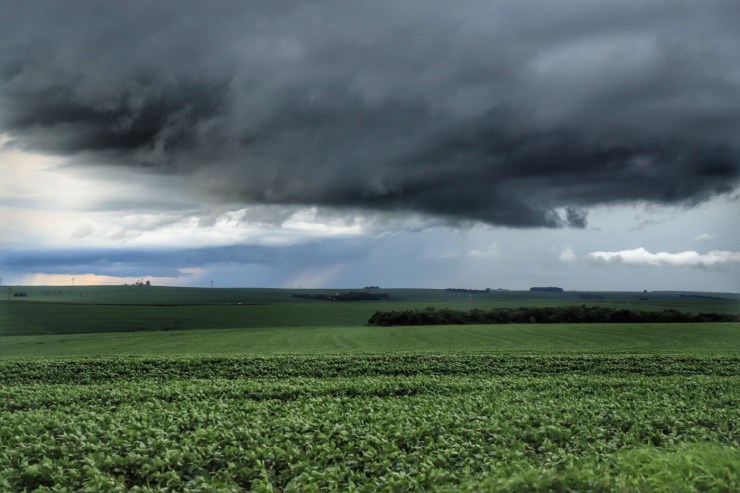
Photo: JLF Pires/Embrapa
Advance agreements were made between producers, cooperatives, and the brewing industry. This strategy ensured price predictability and reduced marketing risks, a decisive factor in maintaining the attractiveness of the crop even in an environment of uncertainty in the grain market.
Although Santa Catarina's share of national wheat, oat, and barley production is relatively small, these crops maintain agronomic and socioeconomic importance for the state. The Santa Catarina market, however, remains strongly influenced by neighboring states. Rio Grande do Sul and Paraná lead national production and play a decisive role in setting prices paid to producers, conditioning market behavior in Santa Catarina and reinforcing the need for diversification and risk mitigation strategies in the winter crop season.
Falling prices
Wheat prices continue to fall in Santa Catarina. In November, the average price received by producers decreased by 2.37% compared to the previous month, with the 60kg sack quoted at R$62.20, accumulating a devaluation of 13.44% compared to November of last year.

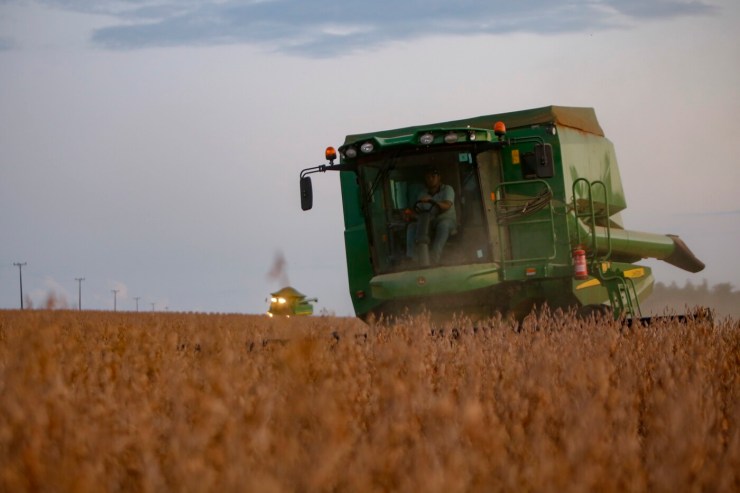
Photo: Airton Pasinatto
The downward trend follows the international scenario, marked by increased global supply and boosted exports, according to data from the United States Department of Agriculture, which maintains pressure on prices in the domestic market.
Smaller planted area
In the field, the harvest has already reached approximately 75% of the cultivated area, with predominantly good conditions in the remaining crops. For the 2025/26 crop, the estimate indicates a reduction of 14.5% in the planted area, which should total 105,100 hectares. Despite the projected increase of 3.5% in average productivity, total wheat production in Santa Catarina is expected to decrease by 11.55%, totaling 382,300 tons.
Performance of oats and barley
The performance of oats and barley in November reinforces the role of these winter cereals as viable agronomic and socioeconomic alternatives in Santa Catarina, despite the state's small share of the national market. Price formation continues to be strongly influenced by Paraná and Rio Grande do Sul, the country's main producers. In the case of oats, prices in the Paraná market showed an annual decrease of 3.70%, while in Santa Catarina there was stability in the annual comparison.
For barley, the scenario is more favorable from an economic standpoint. Commercialization occurs primarily through contracts.

Photo: Disclosure
Advance contracts with industries and cooperatives, focused on the production of malting barley. In 2025, a large part of these contracts were closed at attractive prices, and the good yields obtained should result in positive margins, even with current prices lower than a year ago.
In Santa Catarina, the Epagri/Cepa Crop Monitoring System indicates that the area of oats destined for grain production decreased by 3.471 TP4T in the 2025/26 crop season, totaling approximately 34,200 hectares. Even so, the productivity gain, driven by favorable weather conditions throughout the cycle, resulted in a 5.841 TP4T increase in state production, close to 52,000 tons. Barley, on the other hand, maintained a reduced area, with 440 hectares cultivated, but the crop stood out for its high industrial quality, a reflection of technical management and cultivation under contracts, ensuring market and profitability for producers in Santa Catarina.