EN
EN  PT_BR
PT_BR 
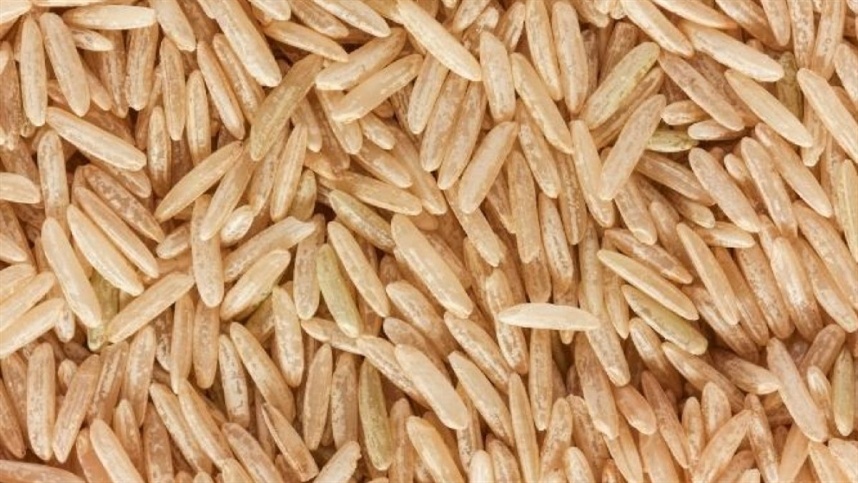
The return of rice The price of R$ 80 per sack has rekindled the perception of improvement in the production sector, but it still does not eliminate doubts about the profitability of the next harvest. According to Sergio Cardoso, an analyst in the supply chain... riceThe recovery in prices may lead producers to reconsider planting decisions for 2026/27, while production costs and risks remain significant.
The initial plan released by IRGA indicates approximately 861,800 hectares of rice in Rio Grande do Sul, down from 891,900 hectares cultivated in the previous harvest. Until a few weeks ago, the sentiment in the field pointed to a greater reduction. However, with the improvement in prices, there are signs of producers considering maintaining or even expanding the area.
Cardoso warns against interpreting the price increase as a complete recovery of margins. Data from CEPEA shows that, in August, considering the typical productivity of Camaquã and Uruguaiana, revenue already exceeded operating costs, but still remained below the total cost of production.
The decision regarding the new crop still involves expenses for diesel fuel, fertilizers, pesticides, credit, irrigation, and labor. There is also climate risk. IRGA warns of a rainier spring in the state, with the possibility of smaller planting windows, delays in planting, and effects on productivity and management.
According to the analyst, the main danger lies in the sense of security created by the current price. If the recovery stimulates further expansion of the area, the harvest could occur with a greater supply. Therefore, the reference price of R$ 80 per sack should not be analyzed in isolation, since a better price does not necessarily mean a better margin. The central question becomes what value will be needed at harvest time for the next crop to break even.