EN
 PT_BR

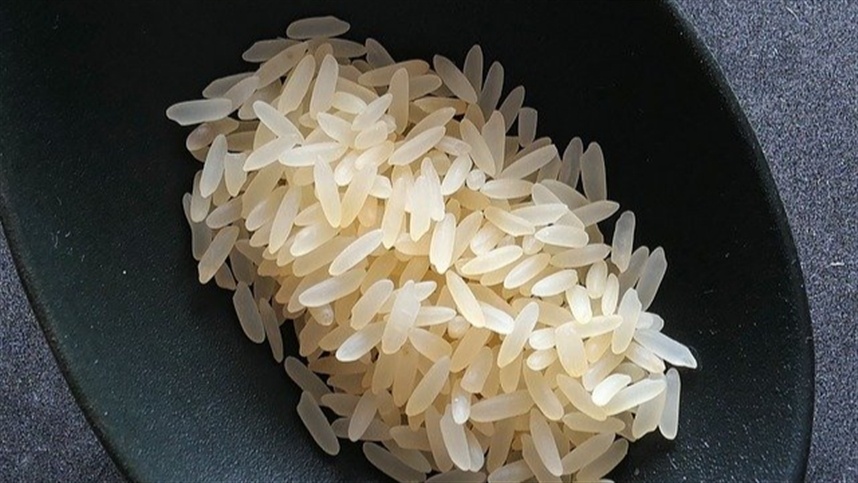
Planting rice The 2026/27 crop season is progressing unevenly in Rio Grande do Sul, with areas already exceeding 50% sown in the Western Border region and some areas affected by excessive moisture. According to data released by Emater/RS-Ascar, the intense rains also caused flooding and may require assessments of soil, seed, fertilizer, and crop structure losses.
Planting is progressing more rapidly in regions where soil moisture allows for the movement of machinery. In the Western Border region, some municipalities have already exceeded half of the planned area, while in other locations, excess water has begun to limit operations. Localized flooding has also been recorded due to heavy rains and rising water levels. The impacts on dikes, drains, canals, seeds, and fertilizers still need to be assessed.
In other regions, work continues on land systematization, preparation for pre-germinated cultivation, and the gradual implementation of crops in dry soil. The area projected by IRGA for the 2026/27 harvest is 861,779 hectares. The initial productivity estimated by Emater/RS-Ascar is 8,741 kg per hectare, according to data released by Emater/RS-Ascar.
In the Emater/RS-Ascar administrative region of Bagé, on the Western Border, planting progressed during the week and exceeded 50% of the planned area in Itaqui, Maçambará and São Borja.
In Barra do Quaraí, planting reached 40%, while Uruguaiana reached 20%. Some areas, however, still had insufficient moisture to guarantee germination and plant emergence. The intense rains recorded in the early morning of September 27th caused flooding in plots in Rosário do Sul, Santana do Livramento, and São Gabriel.
In these areas, it will be necessary to assess potential damage to crop infrastructure, as well as possible loss of soil, fertilizers, and seeds, according to data released by Emater/RS-Ascar. In the Campanha region, excess moisture restricted access for machinery. In Dom Pedrito, only 10% of the planned area had been sown, while planting had not yet begun in other municipalities in the region.
In the Pelotas region, planting has reached 8% of the estimated area for the 2026/27 crop. Drier periods throughout the week allowed for the resumption of operations. The initial estimate is 167,818 hectares cultivated in the region. A large part of the irrigated rice areas has already been systematized and leveled.
In Santa Maria, approximately 101 TP4T of the area had already been planted. In Dona Francisca, 60 hectares of rice planted using the pre-germinated system were flooded after the Jacuí River rose and overflowed. In the Santa Rosa region, the first areas were cultivated in Santo Antônio das Missões, totaling approximately 51 TP4T of the planned area.
In the Soledade region, work continued on preparing areas for pre-germinated rice cultivation, with planting beginning on some properties. Management also progressed in areas designated for sowing in dry soil, where crops are already planted. Overall, 5% of the area planned for the 2026/27 crop season had been sown, according to data released by Emater/RS-Ascar.