EN
EN  PT_BR
PT_BR 
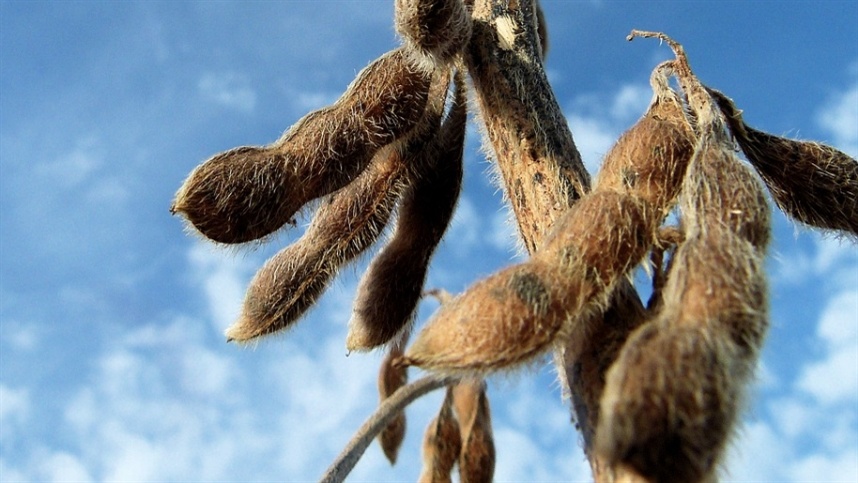
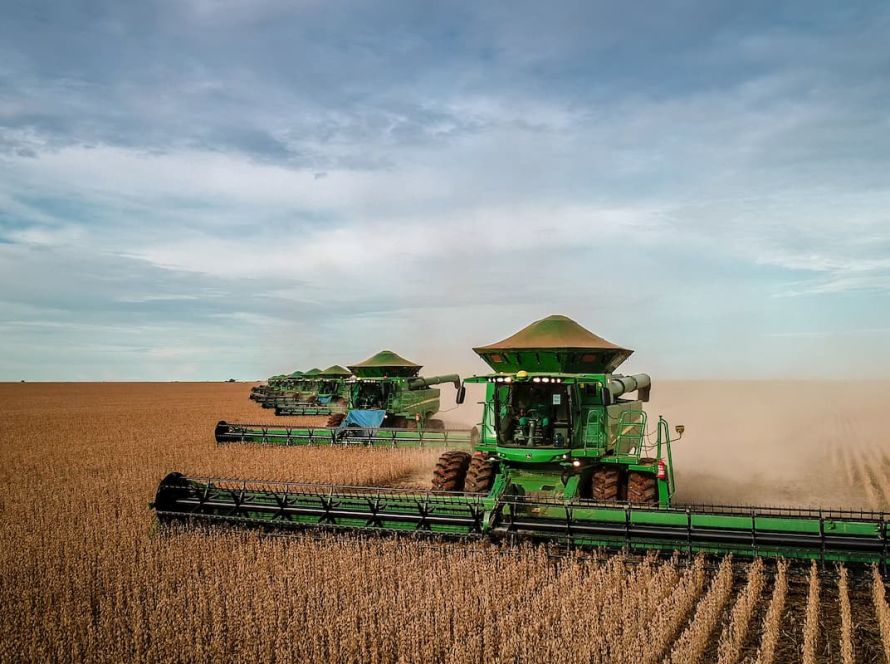
The figures for Mato Grosso gain even more relevance when analyzed over the last few harvests and compared to the international scenario. After harvesting 38.70 million tons in the 2023/24 season, the state reaches an estimated volume of 50.89 million tons in the 2024/25 season, with a projection of 47.17 million tons for the 2025/26 season. This level places Mato Grosso at a production level similar to that of entire countries, such as Argentina, which produces around 50 million tons of soybeans.

Photo: Gilson Abreu
For the Mato Grosso Soybean and Corn Producers Association (Aprosoja MT), this result is a direct reflection of years of investment in technology, efficient management, and commitment to sustainable production. The performance achieved by the state not only reinforces its leadership in agribusiness but also highlights Mato Grosso's role in global food security, demonstrating that it is possible to produce on a large scale with responsibility, innovation, and a focus on the future.
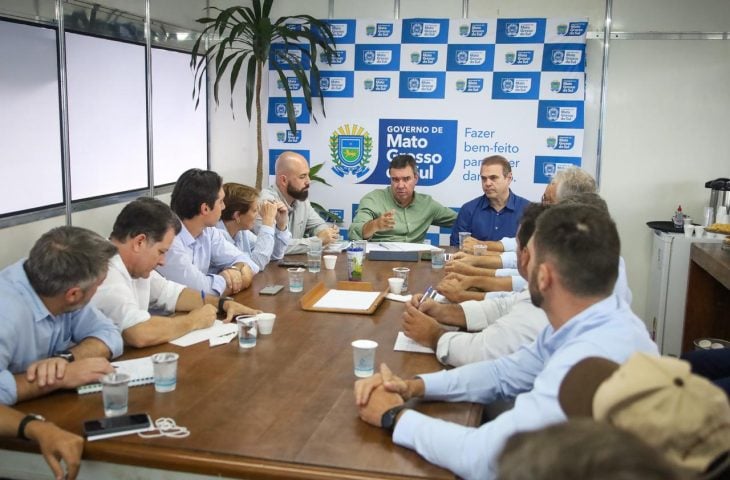
According to Gilson Antunes de Melo, vice-president of the western region of Aprosoja Mato Grosso, the volume of production achieved by Mato Grosso highlights the strategic importance of the state's agribusiness for Brazil, both in terms of supply and in strengthening the trade balance.
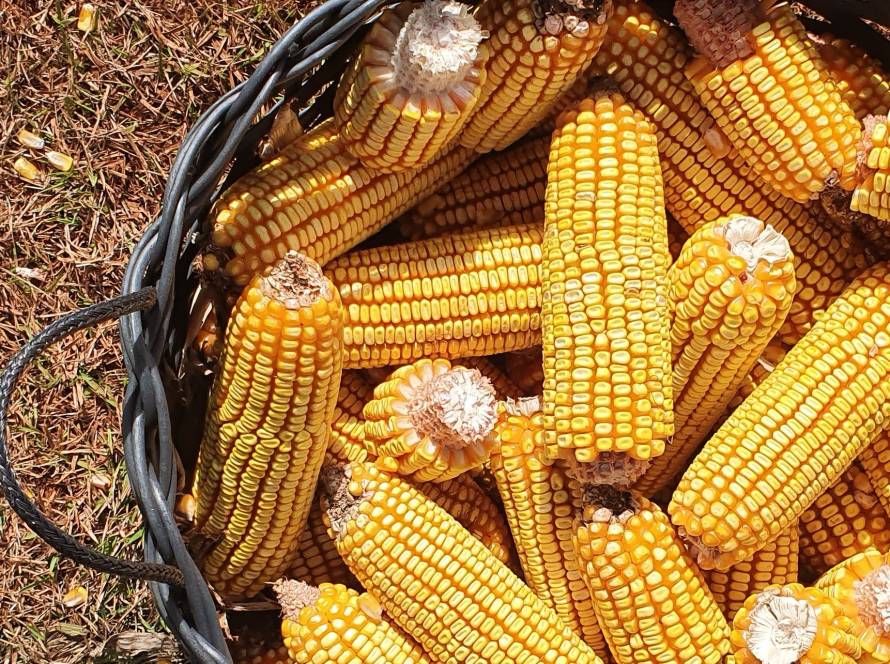
“Besides soybeans, corn production is gaining increasing importance, driven by the ethanol industry. This movement strengthens the state's industrialization, generates more revenue, enables infrastructure investments, and creates a positive chain in which producers, industry, and society advance together. This scenario should consolidate even further in the coming years, increasing the competitiveness and income of rural producers,” highlights the vice-president.
With one of the largest territories in the country, Mato Grosso presents a land occupation pattern marked by a balance between production and preservation. Agricultural activity is concentrated in already consolidated areas, while a significant portion of the state remains preserved, harboring important biomes and areas of native vegetation. This scenario reinforces that the advancement of production occurs in a planned manner, respecting the rational use of the territory, environmental legislation, and the conservation of natural resources—pillars that support the competitiveness and sustainability of Mato Grosso's agribusiness.
The vice-president of Aprosoja MT's eastern region, Lauri Pedro Jantsch, explains that investment in technology, management, and sustainability contributed to Mato Grosso reaching this level of production, highlighting the leading role of Mato Grosso producers in global soybean production.
“Mato Grosso is a state full of opportunities in agribusiness. Producers in Mato Grosso have a great capacity for adaptation in the face of challenges that arise along the way. With investments in technology, proper management, and soil correction, it is possible to transform degraded areas into highly productive areas. This capacity for evolution and resilience allows producers in Mato Grosso to convert difficulties into results, promoting productivity and sustainability in the field,” emphasizes Lauri.

Photo: Jaelson Lucas
Even with impressive figures, producers in the state still face several challenges that, in practice, limit production growth and the sector's competitiveness. Among the main obstacles, the vice-president for the Eastern region highlights logistics and grain storage, which, when compared to other countries, still show significant shortcomings.
“Here in Mato Grosso, we still have several difficulties that hinder producers, and one of them is logistics. In Brazil, there is a very large deficit: we have one of the highest costs in the world to transport grains to the ports. This logistical capacity is still limited and brings great costs to the producer. There is also the issue of storage, since our storage capacity is still small, unlike what happens with American producers, for example,” he concludes.
Given this scenario, Mato Grosso continues to be a world reference in grain production, combining scale, efficiency, and environmental responsibility. While celebrating significant results, the state reinforces the need for advancements in infrastructure, logistics, and storage to sustain growth and increase the sector's competitiveness. With increasingly up-to-date and committed producers, Mato Grosso's agribusiness is consolidating itself as a key element for Brazil's economic development and for global food supply.