EN
EN  PT_BR
PT_BR 

By Roberto Samora
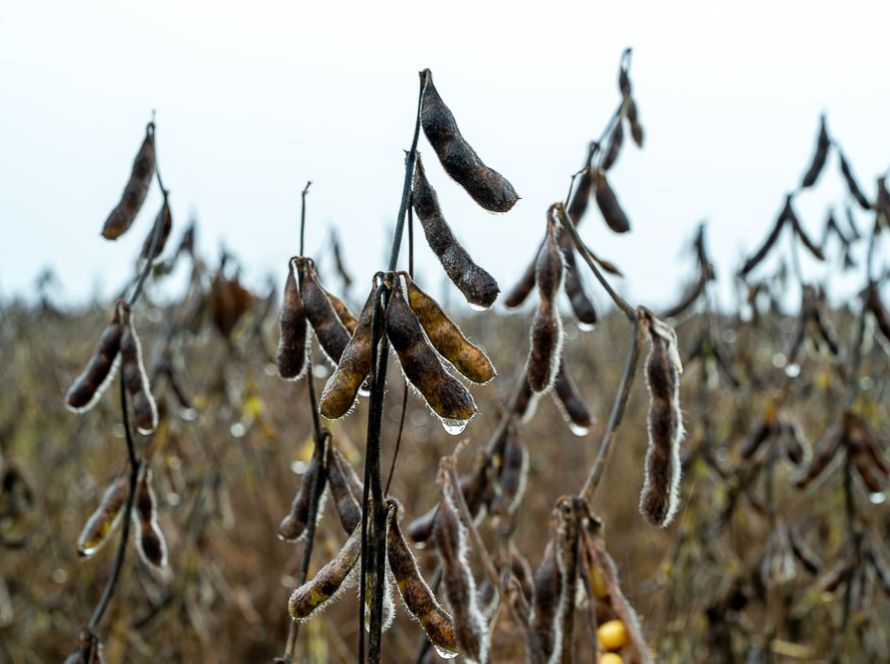
SAO PAULO, Sept 11 (Reuters) – Mato Grosso, Brazil's main soybean producer, began planting the first areas of the oilseed this week for the 2026/27 season, taking advantage of the first rains amid concerns about dry spells and the possible shortening of the second crop's weather window due to the effects of the El Niño phenomenon.
According to the superintendent of the Mato Grosso Institute of Agricultural Economics (Imea), Cleiton Gauer, it is already possible to see some planting fronts in the state, mainly in irrigated soybean areas, but also in rainfed crops that have received rain, with farmers seeking to "accelerate the start of work as much as possible" to minimize climatic impacts.
Gauer said he had recorded soybean planting in municipalities to the west, such as Campo Novo dos Parecis, Diamantino, and Brasnorte. But the planted area in Mato Grosso is still less than 1% of the approximately 13 million hectares projected by Imea for the state.
"There are some areas being sown because some regions have had very interesting rainfall, significant volumes," Gauer told Reuters on Friday.
"It's mainly the producers who grow cotton in the second crop season who are planting, but not only those who grow cotton, those who grow corn as well."
Given concerns about potential dry spells, periods of unseasonal drought, "producers are getting ahead of the game, taking advantage of the early rains," Gauer stated. Typically, those who grow cotton in the second crop season start their work earlier.
Soybean planting is now also taking place "due to the risk of a shorter rainy season ahead," he said, noting that in El Niño years rainfall is cut off prematurely in the central region of the country.
In addition to being the largest soybean producer in the country, Mato Grosso is also the leading producer of corn and cotton, cultivating these products mainly in the second crop season, after the soybean harvest.
Gauer noted that the rains this week were not widespread.
“The first rains in the state are happening in a localized way. We have these areas that were blessed with a significant volume of rain, there was even standing water… but walking five to ten kilometers ahead it was dry,” commented the superintendent, who toured farmlands in the western region this week.
Soybean planting in Mato Grosso is expected to gain traction in the first half of October, Gauer added.
The superintendent of Imea said he believes that, despite El Niño, Mato Grosso's soybean crop should not experience widespread weather problems. "The problems should be concentrated, with some regions suffering less than others..."
Imea estimates a reduction in average soybean productivity of 5.4% compared to the previous cycle, in addition to a slight increase in area, resulting in a drop in production to approximately 49 million tons.
The superintendent said that advance sales of the new crop advanced in August, as pointed out by Imea this week, but nothing that alters the planting intentions in Mato Grosso for now. Sales for 2026/27 reached 39% of the projected crop, ahead of the historical average for the period of 30,55%, with producers seeking to lock in better prices.
In the case of corn, the risks and concerns are greater. "If the strong El Niño persists, our concern lies with the rainy season; we've had years where the rains stopped earlier than normal," he stated, warning of a possible drop in productivity.
(Edited by Alberto Alerigi Jr.)