EN
EN  PT_BR
PT_BR 
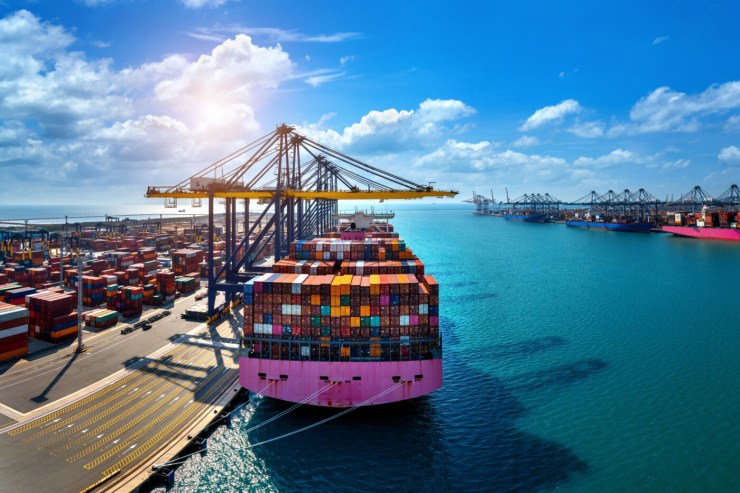
Brazilian agribusiness is experiencing its greatest moment in recent history, registering a monthly record of US$$16.6 billion in exports in April and reaching the historic milestone of 600 international markets opened. However, behind the billions of dollars that sustain the trade balance and boost the Gross Domestic Product (GDP), the logistical and sanitary machinery that ensures the exit of these goods is operating at its limit. The agricultural defense system is issuing a warning: maintaining this growth rate requires urgent investments in infrastructure and personnel replenishment.

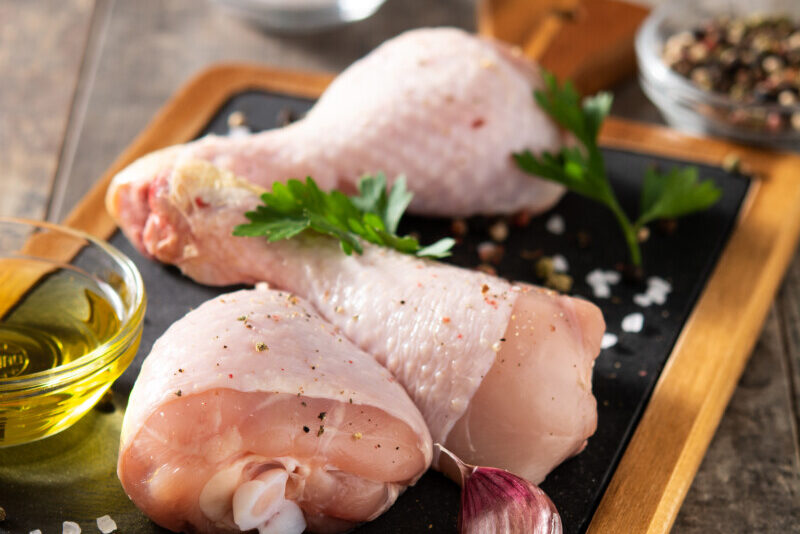
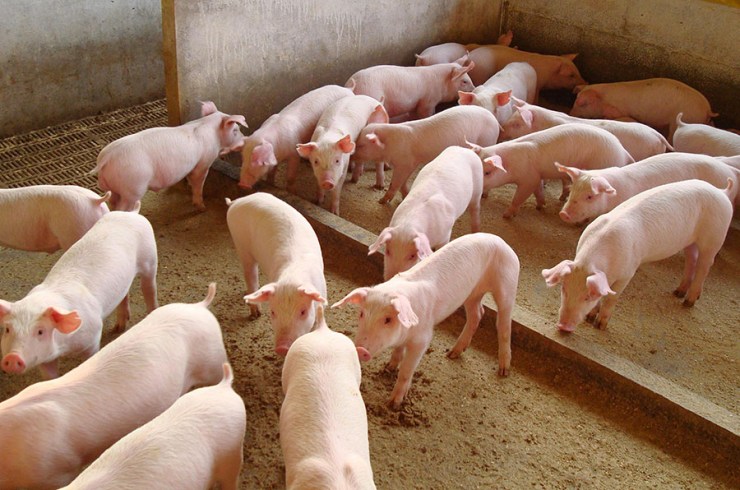
The main drivers of this recent growth were animal proteins, which recorded record performances in April. Beef led the sector with a significant increase of 29.41% in revenue and an impressive 252,000 tons shipped during the month. China consolidated its position as the main commercial destination, absorbing approximately 561% of all exports of the product. The pork and chicken sectors also followed the trend of strong expansion, with pork growing by 8.31% and chicken shipments reaching 486,500 tons.
All this dynamism in foreign trade, however, has a direct impact on the country's control structures. For these record volumes of food to leave the cold storage facilities and enter the ships, they depend on strict international sanitary certifications and swift customs clearance. With highly demanding markets leading global consumption, any failure or slowness in the inspection processes can generate logistical bottlenecks in ports, delay contracts, and cause losses of historic proportions.
According to Ricardo Nascimento, vice-president of the National Union of Federal Agricultural Tax Auditors (Anffa Sindical), the credibility earned by Brazil is what allows the country to sell to the most restrictive destinations in the world, but the official system is under strong pressure due to the exponential increase in workload in the face of an outdated staffing level. “Official controls and agricultural certification assure importing countries that Brazilian products are completely safe. Our work in ports, airports, borders, and within meat processing plants is what gives this production its 'passport.' But the weakening of agricultural defense due to lack of personnel and investment is a real risk. It could compromise the speed of shipments and all the credibility built by Brazil over the last few decades,” warns Nascimento.

The official points out that the sector's efficiency and speed were recently tested in critical episodes, such as the management of avian influenza outbreaks on the continent and the traceability requirements of the European and Asian markets. “The rapid, technical, and surgical response of the official service to sanitary threats prevented massive embargoes and protected billions of dollars in foreign trade. Inspection is not a regulatory cost or a bureaucratic barrier; it is a strategic financial asset for the country,” he concludes.
Beyond the impact on foreign trade, the increase in exports has reshaped the domestic macroeconomic landscape. The strong pace of meat shipments abroad, coupled with a lower supply of animals ready for slaughter in the field, has put pressure on domestic prices. The price per arroba of fat cattle reached the highest nominal value in the Cepea historical series, exceeding the R$ 344 mark, reflecting an increase of up to 45% in the price of meat to the final consumer in the accumulated total of the last two years.
According to Anffa Sindical, this scenario of high prices and high global demand reinforces the idea that consumers, both foreign and Brazilian, demand strict quality standards. Given this, the union points to strengthening the career path of Federal Agricultural Tax Auditors (AFFAs) and modernizing surveillance systems as the only guarantees for the country to continue breaking export records without jeopardizing food safety and the reputation of the Brazilian seal worldwide.