EN
EN  PT_BR
PT_BR 
The Brazilian Agricultural Research Corporation (Embrapa) received patent number BR 102024018669-9 from the National Institute of Industrial Property (INPI) for a technology aimed at developing controlled-release pesticides produced from lignin, a material abundant in plant biomass and widely available in Brazil.
The patent, issued on May 12, 2026, grants the state-owned company the rights to the technology for 20 years, starting in September 2024. The project was developed by researchers. Silvio Vaz Junior, Angelo Aparecido Barbosa Sussel and Flávia Augusta Dias Galarza.

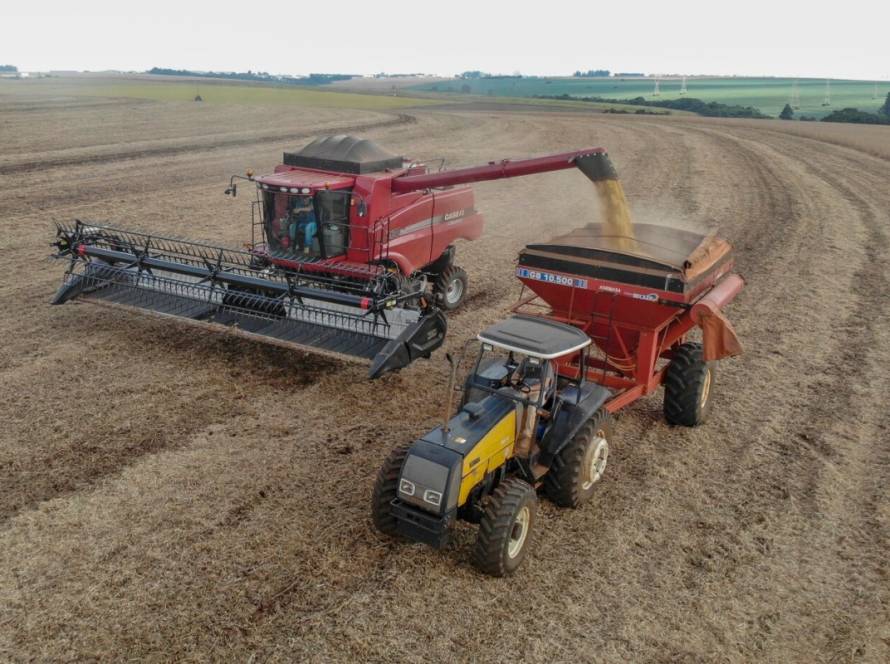
Photo: Press release/APS
The innovation utilizes Kraft lignin, a byproduct of the pulp and paper industry that is normally burned for energy generation. In this new application, the material acts as an encapsulation matrix for agricultural pesticides, allowing for the gradual release of active ingredients in plants.
According to the researchers, the goal is to reduce losses caused by conventional application systems, in which a significant portion of the product is rapidly degraded or dispersed into the environment before achieving the desired effect.
Currently, the immediate release of pesticides can cause losses of up to 30%, leading producers to increase the applied doses and increasing the risks of soil and water contamination. With the new technology, lignin protects the chemical compounds and releases the active ingredient slowly over time.
In addition to its gradual action, lignin also protects pesticides against ultraviolet radiation, one of the factors responsible for the premature degradation of sensitive molecules exposed to sunlight.

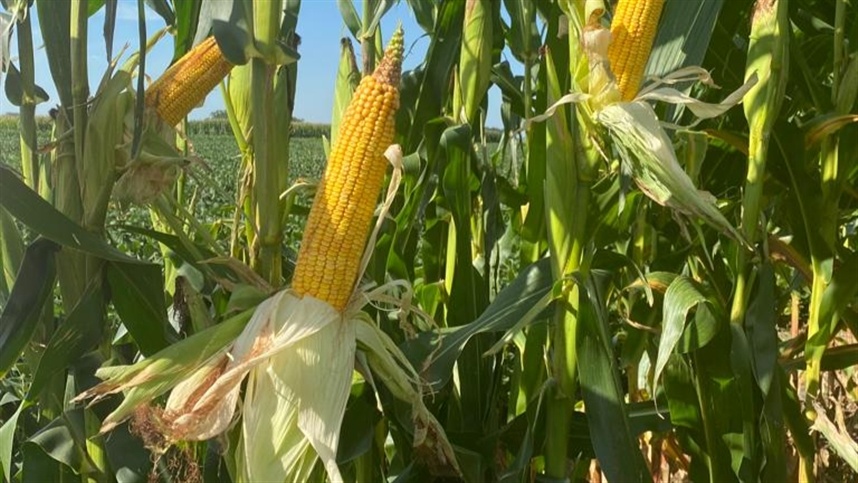
Photo: Geraldo Bubniak/AEN
To increase encapsulation efficiency, researchers performed chemical modifications on lignin, resulting in compounds such as acetylated Kraft lignin (LKA) and aminated Kraft lignin (LKAM). In laboratory tests, the formulations achieved encapsulation indices between 80% and 100%.
The technology was tested under real field conditions in soybean and corn crops. In soybeans, the studies focused on controlling Asian soybean rust, caused by the fungus... Phakopsora pachyrhiziThe results showed that lignin-based formulations, such as TBZ-LKA, reduced disease-related lesions by up to 84,85%, with performance similar to that of the main commercial fungicides available on the market.
In the trials conducted on corn, the target was helminthosporiosis, caused by Exserohilum turcicumAccording to the team, the lignin nanoparticles showed a prolonged effect in controlling the disease.
The PTZ-LKA formulation showed a 97% reduction in disease incidence in the first evaluation after application. Even 45 days later, under conditions favorable to fungal development, the plants maintained superior foliar protection compared to conventional products.
Another point highlighted by the researchers was the reduction in the amount of fungicide needed per hectare. The comparative analysis showed that lignin-based formulations use less active ingredient mass, decreasing the chemical load released into the environment.

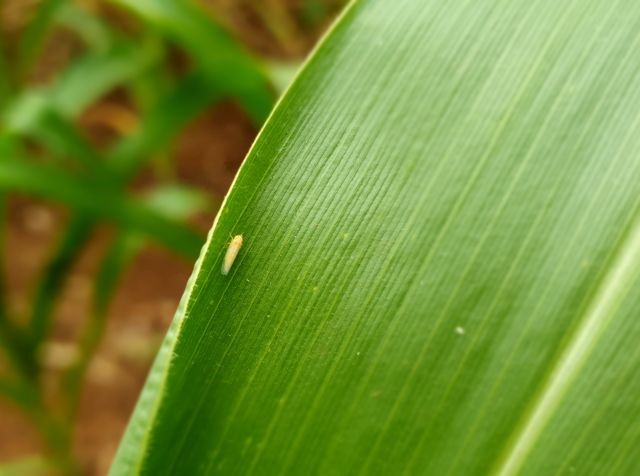
Photo: Press release/Aprosoja-MT
The developed formulations utilize nanoparticles between 150 and 300 nanometers, a size that favors the adhesion of the product to the leaves and improves absorption by the plants. According to Embrapa, this precision allows for better targeting of the active ingredient and reduces waste.
In addition to the agronomic impacts, the research also expands the potential for economic use of Kraft lignin, a raw material abundant in the country due to the strong national pulp industry. Brazil currently occupies a prominent position among the world's largest producers in the sector.
According to the researchers, the technology is aligned with the Sustainable Development Goals (SDGs) of the United Nations (UN), especially those related to sustainable agriculture and responsible consumption.
With the granting of the patent, Embrapa reinforces its commitment to biotechnological solutions aimed at reducing the environmental impact of pesticides, combining productivity in the field, utilization of industrial waste, and the development of more efficient application systems.