EN
EN  PT_BR
PT_BR 
The US Supreme Court's decision to invalidate the global tariff hikes imposed by Donald Trump could represent significant relief for some Brazilian exports to the US, especially those affected by so-called reciprocal tariffs.

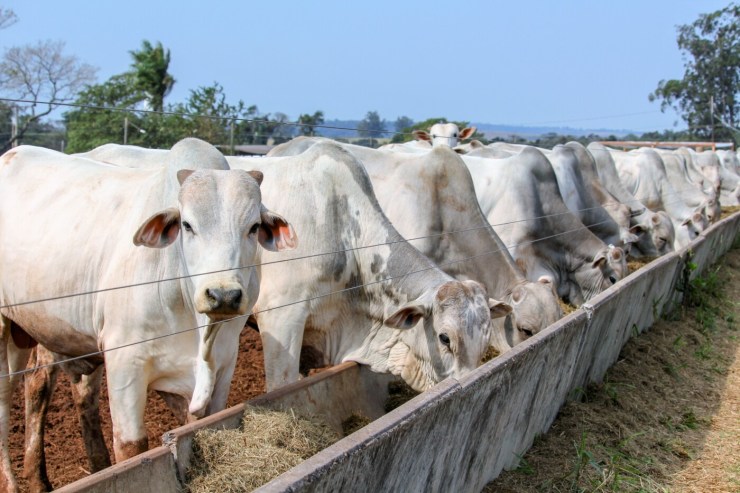
Photo: Allan Santos/PR
In April 2025, when announcing the trade reciprocity policy based on the International Emergency Economic Powers Act (IEEPA), the US government imposed an additional tariff of 10% on Brazilian products. The measure was expanded in July of the same year, with a further increase of 40%, raising the total rate to 50%.
The increase, however, was not linear. The package came with a list of exceptions that removed strategic products for bilateral trade from the additional 40% surcharge, such as orange juice, civil aircraft, petroleum, vehicles and auto parts, fertilizers, and items from the energy sector.
Later, in November, after direct negotiations between Trump and President Luiz Inácio Lula da Silva, the United States announced the removal of the additional 40% tariff on new products, including coffee, meat, and fruit. Trump described the diplomatic rapprochement at the time as marked by "excellent chemistry" with the Brazilian leader.
With the Supreme Court's decision, reciprocal tariffs applied based on the IEEPA cease to have legal validity. This affects

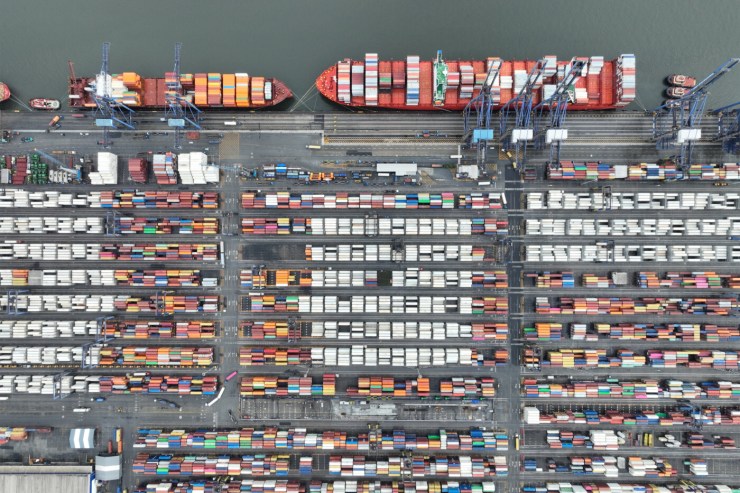
Photo: Claudio Neves/Ports of Paraná
This directly addresses the backbone of the tariff strategy adopted in 2025 and could reduce the pressure on Brazilian exporters who were still subject to the remaining surcharges.
On the other hand, not all barriers are falling. Tariffs on steel and aluminum remain in effect, as they were imposed based on Section 232 of the Trade Expansion Act of 1962, which authorizes measures for reasons of national security. This legal basis was not questioned in the Supreme Court ruling.
In practice, the scenario for Brazil becomes more selective: tariffs associated with the economic emergency have been dropped, but measures linked to national security remain. The concrete outcome will depend on how the American government reorganizes its trade policy after the court decision.