EN
EN  PT_BR
PT_BR 
THE Economic Bulletin of the Department of Rural Economy (Deral), from the Secretariat of Agriculture and Supply (Seab), released this Thursday (14), highlights the energy sector in Paraná's agribusiness.
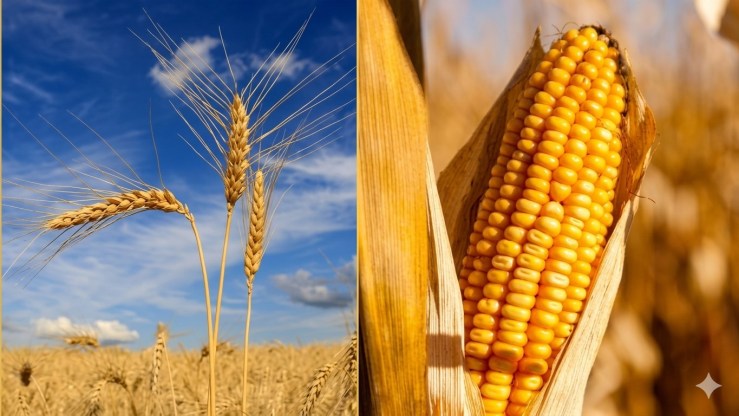
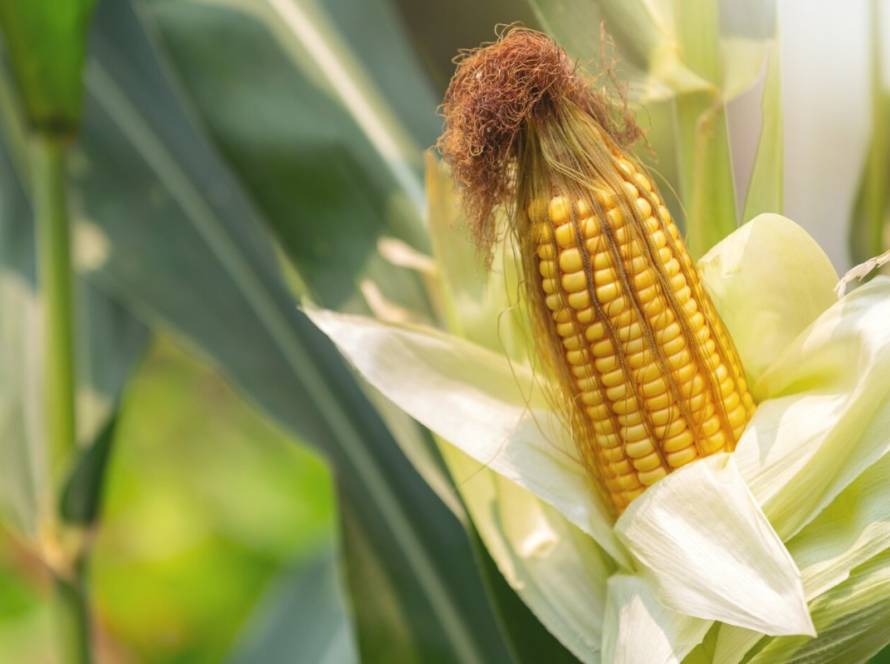
 Paraná is emerging as a new corn ethanol hub, according to an analysis by Deral technicians. Adding together the production from sugarcane and corn, Brazil is expected to reach 40.69 billion liters of ethanol, a volume 8.51 TP4T higher than that recorded in the previous cycle. The driver of this expansion is corn ethanol, which already represents 281 TP4T of the country's total supply, a significant jump compared to the 91 TP4T recorded in the 2020/21 harvest.
In Paraná, sugarcane-based ethanol production is estimated at 1.18 billion liters, representing a slight decrease of 2.21 TP4T compared to the last period. Corn ethanol, on the other hand, is expected to show significant growth this cycle, with production estimated at 31.54 million liters, an increase of 71.11 TP4T compared to the previous period (18.436 million liters).
Although the state does not yet have a consolidated corn ethanol production hub, there are significant investments underway, and the expectation is that, in the coming years, Paraná will become one of the main national producers.
Milk

Photo: Isabele Kleim
Another highlight is the higher prices in the state's dairy sector. The scenario is one of increased value for the producer. In the first week of May, the price per liter of milk rose 5.2%, reaching R$ 2.56. This movement is due to the seasonal period of reduced milk collection and the higher cost of feeding the herd, which drives up prices in the market and improves the margin for the producer. Lower milk collection reduces the supply of the product to industries, which raises the price.
However, the sector remains on alert due to pressure from dairy imports, which grew 26.51% in the first quarter of 2026, bringing highly competitively priced products to the domestic market.
Grains

Photo: Shutterstock
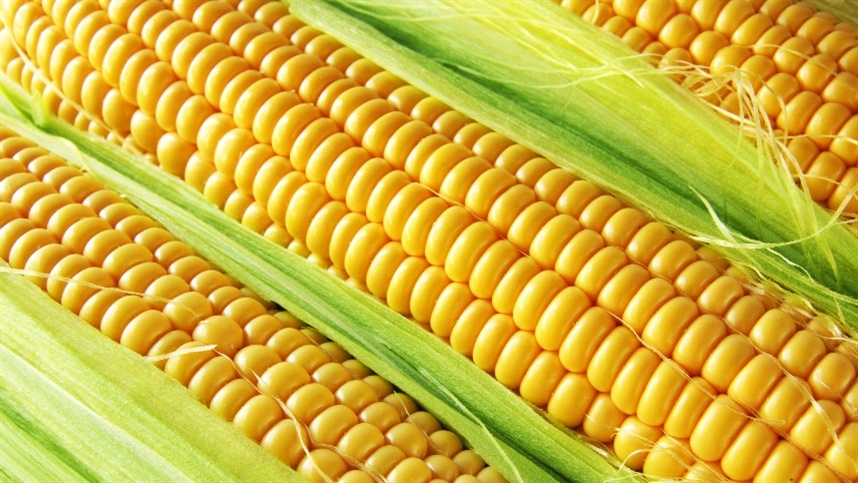
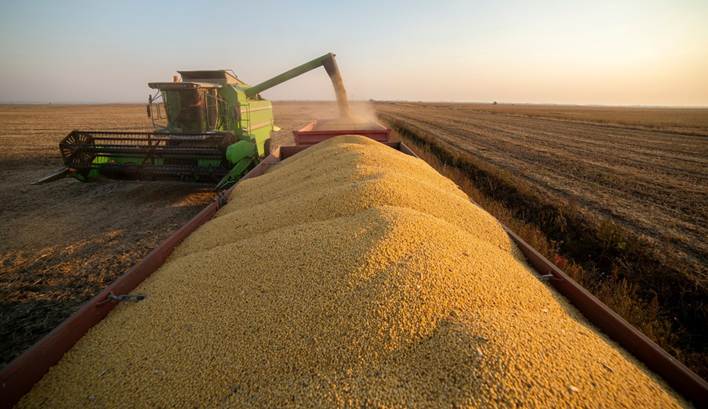
The corn harvest in Paraná is demonstrating resilience in the face of recent weather fluctuations. According to Deral, the isolated frosts that arrived with the most intense cold wave in the south of the state did not affect the crops. Currently, 96% of the planted area is still developing, and the risk of losses is mitigated by the forecast of rain and stable temperatures above 8°C for the second half of May.
Eggs
The egg market is currently undergoing a profound strategic reorganization, still necessary due to the high tariffs imposed by the United States, one of the main importers.

Photo: Rodrigo Felix Leal/AEN
Brazilian poultry farming redirected its surplus to high value-added markets, such as Japan, which recorded a 122.91% increase in purchase revenue. And although the total volume exported by Brazil fell by 5%, revenue grew by 16.4%, totaling US$53.942 million in the first three months of the year. Besides Japan, other markets such as Chile, the United Arab Emirates, and Senegal showed robust growth in both volume and revenue.
Despite the challenges, Paraná consolidates its strength in this scenario as the second largest national exporter of egg products, with revenue of US$13.696 million in the first quarter.