EN
EN  PT_BR
PT_BR 
Irregular rainfall distribution marked the climate in Brazil's main grain-producing regions in April. According to data from Itaú BBA Agro Consulting, the volume of precipitation was below that recorded in 2025, mainly in the central region of the country, especially in Goiás and Minas Gerais.
Photo: Disclosure/Freepik
Reduced rainfall has favored the progress of the soybean and summer corn harvest. On the other hand, this scenario has raised concerns about the development of the second corn crop in some producing regions.
In Mato Grosso, the recorded rainfall amounts were sufficient to maintain good crop conditions. However, in Goiás, Paraná, São Paulo, and Minas Gerais, water stress prevailed, increasing the risk of productivity losses in the second crop.
In the United States, the weather favored the progress of fieldwork. Temperatures were above average across much of the Midwest, especially in the states of Illinois, Iowa, and Nebraska, accelerating soil preparation and allowing for an earlier start to planting compared to recent years.
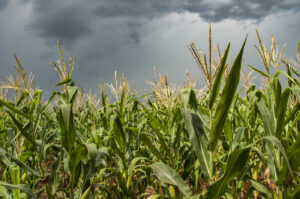
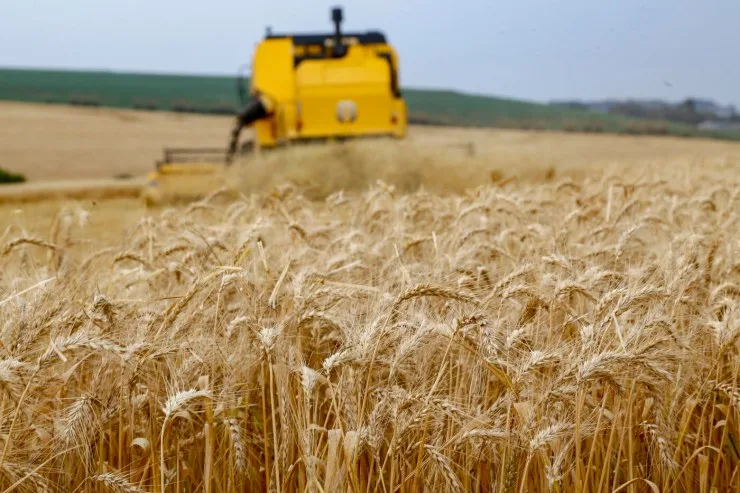
Photo: Fernando Dias/Seapi
The combination of higher temperatures and periods of dry weather contributed to the advancement of corn and soybean planting operations, reducing the risk of delays and extending the window considered ideal for crop establishment.
In the cotton-producing areas of the United States, particularly in Texas, conditions were more challenging. The month was marked by persistent drought, which limited soil moisture and increased the risk of abandoned fields, hindering preparation and the start of planting in several regions of the cotton belt.
In states like Georgia and Mississippi, the scenario was somewhat more favorable, although several locations also recorded below-average rainfall during the period.