EN
EN  PT_BR
PT_BR 
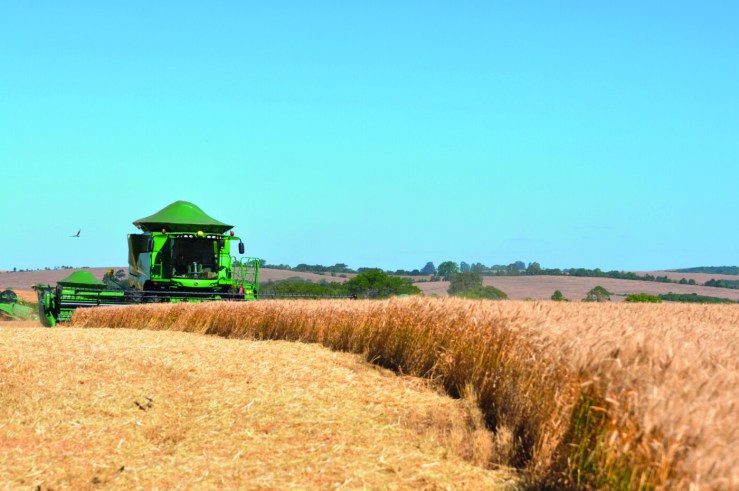
Rural credit for agribusiness totaled R$391.2 billion in the period from July 2025 to April 2026 (2025/2026 Crop Plan), according to... Performance Report released by the Ministry of Agriculture and Livestock (Mapa). The result represents a reduction of 5% compared to the R$ 409.8 billion recorded in the same period of the previous harvest.


Photo: Marcelo Casal Jr/Agência Brasil
The Rural Product Certificate (CPR) has consolidated itself as the main instrument for raising capital in Brazilian agribusiness, with growth of 10% and a volume of R$ 167 billion. The instrument now accounts for 43% of the total granted in the 2025/2026 crop year, compared to 37% in the previous crop year. Adding conventional operating resources to the CPR, financing for agricultural production reached R$ 292.6 billion, a decrease of only 1.6%.
According to the Ministry of Agriculture's Agricultural Policy Secretariat, the growth of CPRs (Rural Product Certificates) reflects the migration of rural producers and trading companies to market instruments, given the high financial costs and environmental restrictions associated with traditional credit lines.

Industrialization advances 66%
 One of the main positive highlights of the period was the significant growth in credit for industrialization, which jumped from R$17.1 billion to R$28.4 billion. This result signals the expansion of agro-industrial chains and greater value addition to national agricultural production, a trend aligned with the sector's modernization strategy.
Investment credit registered a decline of 29%, falling from R$ 58.8 billion to R$ 41.6 billion. All investment programs showed a decrease in effective application, with the largest declines observed in Prodecoop (-57%), Proirriga (-56%) and Moderfrota (-54%).
According to Mapa's analysis, the widespread contraction reflects the sector's caution in the face of high interest rates, combined with other adverse factors such as the instability of the international scenario, increased default rates, high production costs, climate risks, and greater selectivity on the part of financial institutions in granting credit.
Pronamp

Photo: Disclosure/OPR Archive
The National Program to Support Medium-Sized Rural Producers (Pronamp) showed positive results, with a growth of 3% in value, totaling R$ 52.1 billion. This performance reflects the resilience of medium-sized producers and the consistency of the policies regarding reserve requirements for demand deposits aimed at this segment, demonstrating that the sector maintains its capacity to absorb credit even in a high-interest rate environment.
The regional distribution of concessions (excluding CPR) indicates the South as the region with the largest volume, with R$ 65.9 billion, followed by the Southeast (R$ 64.7 billion) and the Midwest (R$ 62.5 billion). The Northeast registered the largest contraction among the regions, with a drop of 29% in value.

Controlled LCA grows
Photo: Marcelo Casal Jr/Agência Brasil
In the field of financing sources, the standout was Controlled LCA, which grew by 3.345%, increasing from R$ 808 million to R$ 27.8 billion, becoming the second largest controlled source. In contrast, Free LCA decreased by 35%.
Free Rural Savings partially offset this decline, rising by 38%, reaching R$ 50 billion. Mandatory Resources advanced by 30%, reinforcing the share of compulsory lines. Controlled sources maintained a share of 30% in the total, stable compared to the previous harvest.
Outlook for the 2026/2027 harvest
The projected drop in the Selic rate by approximately two percentage points by the end of 2026 should reduce the cost of rural credit, stimulate the resumption of investment programs, and enable the absorption of subsidizable resources. The scenario points to a gradual recovery in contracting in traditional lines of credit, especially in programs that registered the largest contractions this harvest season.