EN
 PT_BR

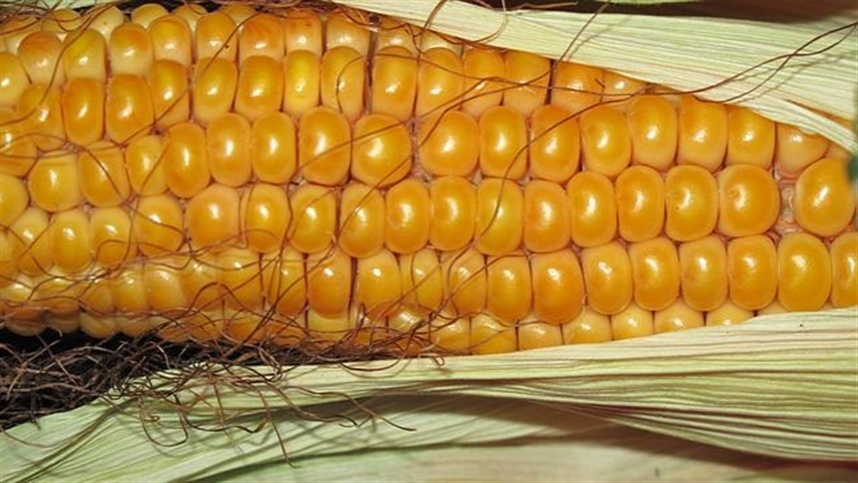
The management of straw from corn Post-harvest conditions can directly influence the performance of the next crop. When well distributed over the soil, stalks, leaves, and cobs help conserve moisture, reduce erosion, and protect the area against temperature variations.
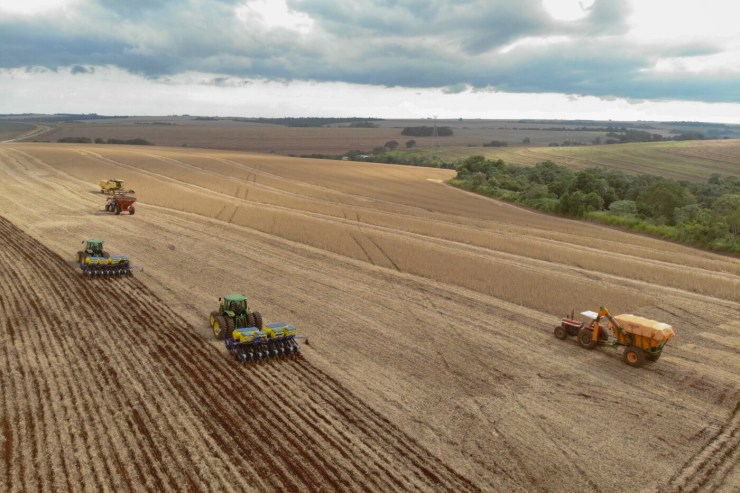
Much of this work begins during harvest. Adjusting the combine harvester must ensure even distribution of crop residue, avoiding areas with excess straw and patches of bare soil. These problems can hinder sowing and lead to gaps in the stand of the following crop.
In areas with a large volume of crop residue, equipment such as roller-crimers and shredders can help organize the crop residue. However, tilling the soil should be avoided whenever possible in no-till systems to preserve its structure and reduce the risk of erosion.
Cover crops also help control weeds, but they do not eliminate the need for monitoring and, when necessary, desiccation before the next planting. Volunteer corn should also be controlled to prevent competition and the maintenance of pests and diseases in the area.
Management needs to consider the climate and the crop that will be planted next. In drier regions, the priority is to maintain maximum cover to conserve water. In colder and wetter areas, excess straw may require adjustments to avoid harming sowing.
The recommendation is to assess the distribution of crop residue immediately after harvest and adjust machinery, desiccation, and planting according to the conditions of each area.