EN
EN  PT_BR
PT_BR 
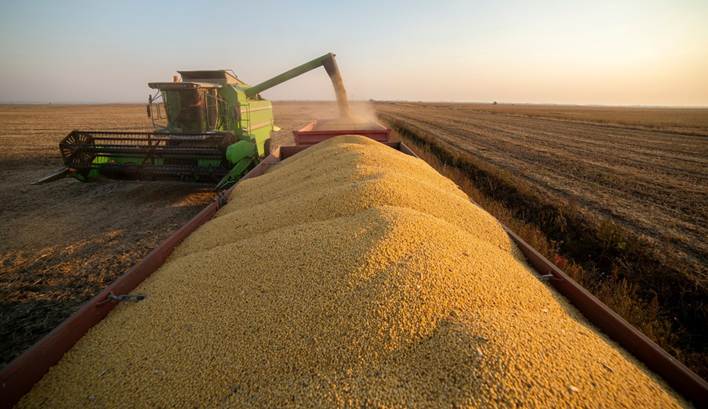
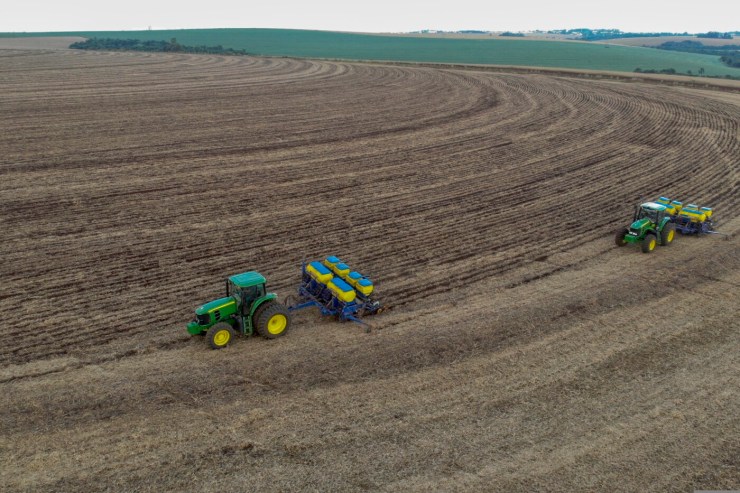
The start of the 2025/26 agricultural cycle is occurring under pressure from factors that challenge crop performance in Brazil. Grain production is estimated at 339.8 million tons, a volume 1.8% lower than that recorded in 2025, a reduction of 6.3 million tons, in an environment marked by climatic instability and price volatility.

Photo: Jaelson Lucas/AEN
The projected decline comes after a record cycle. In 2025, national production reached 346.1 million tons, the highest volume in the historical series that began in 1975, according to IBGE data. Production growth in recent decades has been mainly sustained by productivity gains, as the planted area increased at a slower pace, rising by 66.81 TP4T since 2012, while production practically doubled in the same period.
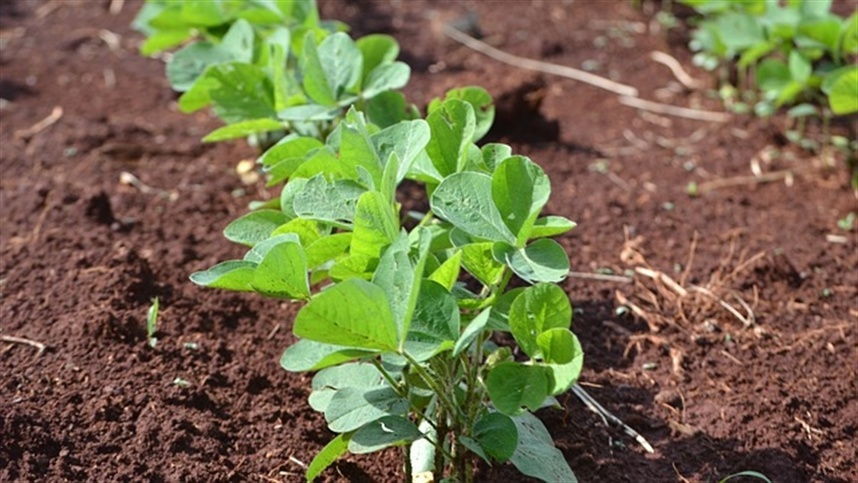
Given this scenario, the pursuit of productive efficiency becomes central to technical decisions. The adoption of seeds with greater vigor and genetic potential is identified as one of the main strategies to mitigate risks and sustain crop performance. Studies by the Ministry of Agriculture indicate that the use of high-quality seeds can increase soybean productivity by between 10% and 15%, by ensuring better germination and greater resistance to pests and environmental stresses.
The issue is especially relevant in regions more susceptible to climate variations. In the North and Northeast, for example, grain production reached approximately 50 million tons in 2025, equivalent to about 16% of the national total, highlighting the growing participation of these regions in agricultural supply, but also their exposure to more challenging climate and soil conditions.
With the combination of high costs, climate uncertainties, and pressure for results, the start of the 2025/26 harvest reinforces the need for technologies that increase production predictability. In this context, inputs with higher agronomic performance are considered key instruments to reduce losses and sustain margins in a more adverse environment.