EN
EN  PT_BR
PT_BR 
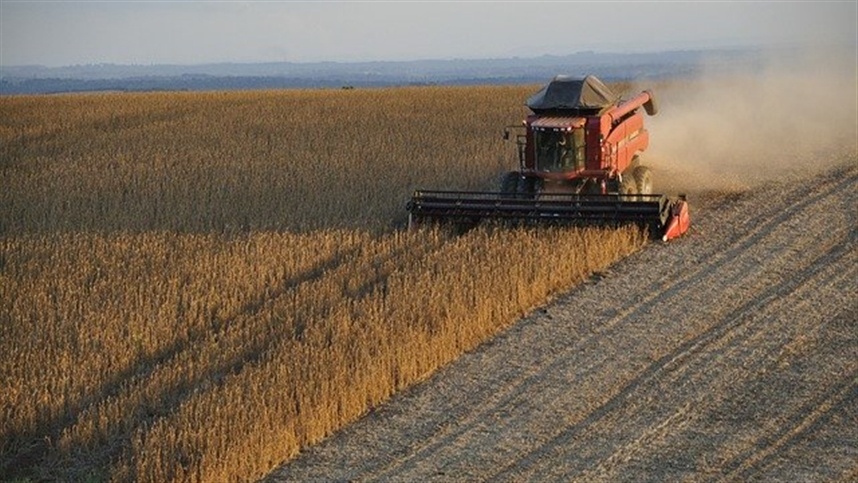
According to an analysis by Grão Direto, 56% of rural producers intend to maintain the planted area of soy in the 2026/27 crop season, indicating a predominance of stability in planning for the next season. The survey, conducted in September 2026, also identified a balance between farmers planning to expand and reduce cultivation, with 18% responses for each alternative. Another 9% have not yet defined the area they intend to allocate to the oilseed.
Grainsights, the market intelligence arm of Grain DirectThe study, which surveyed hundreds of producers and analyzed planting intentions in 11 Brazilian states, revealed that among those planning changes, expanding the area by up to 10% was the most frequent option, mentioned by 8% respondents. Another 5% intend to increase between 11% and 20%, while 5% are considering an expansion greater than 20%. Among those planning reductions, 7% indicated cuts above 20%, 6% intend to decrease to 10%, and 4% project a reduction between 11% and 20%.
Regional differences are evident in the main survey results. Paraná showed the largest positive balance between expansion and reduction intentions, with eight percentage points, resulting from 20% of producers interested in increasing the area and 12% who intend to decrease it. In Mato Grosso, the balance was positive by seven percentage points, with 19% intending to increase and 12% intending to decrease. The state also showed 64% of respondents in favor of maintaining the area, while Mato Grosso do Sul registered 65%, the highest percentage of stability among the states surveyed.
Conversely, Bahia showed the largest negative balance, of 11 percentage points, with 26% of producers planning to reduce the area and 16% interested in expanding it. In Rio Grande do Sul, the difference was ten negative percentage points, with 22% intending to reduce and 12% intending to increase. Santa Catarina also registered a greater participation of producers interested in decreasing cultivation, with 27% of responses, compared to 20% who intend to expand. In Pará, 38% indicated an intention to reduce the area, against 31% who plan to increase it, being the state with the highest percentage of responses favorable to reduction.
Another point identified by Grainsights' monitoring is the concentration of undecided producers in certain states. Maranhão presented the highest percentage of undecided producers, with 31%, followed by Bahia, with 21%, and Tocantins, with 16%. In Maranhão, the intentions to increase, maintain, and reduce the area were tied at 23%. In Minas Gerais, 54% of those interviewed intend to maintain the area, while the intentions to expand and reduce were tied at 23%, with no undecided individuals recorded.
The figures compiled by Grainsights show that, although maintaining the area is the predominant decision among the producers consulted, planning for the 2026/27 crop season presents important differences between states. The national balance between intentions to expand and reduce, combined with the concentration of undecided farmers in some regions, indicates that some decisions regarding the area allocated to soybeans remain open and may be monitored in future rounds of the survey.