EN
EN  PT_BR
PT_BR 
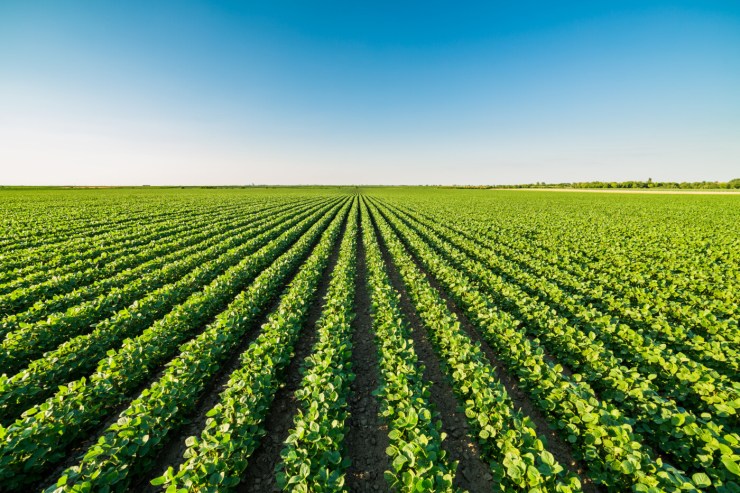
THE Economic Bulletin of the Department of Rural Economy (Deral), from the Secretariat of Agriculture and Supply (Seab), released this Thursday (21), highlights the commercial performance of soybeans, which is consolidating itself as the main product of Paraná's agriculture.

Photo: CNA/Senar System
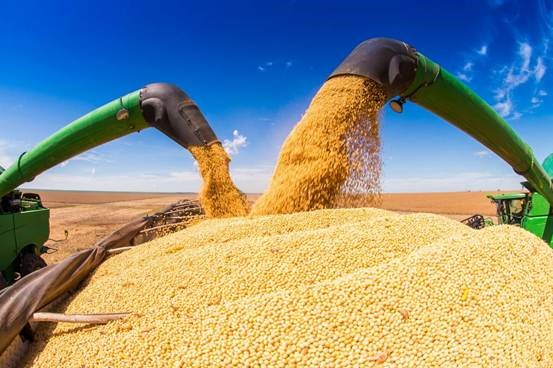
According to the document, soybeans registered excellent commercial performance in the first four months of 2026. The soybean complex — which includes the grain, meal, and oil — had more than 5.3 million tons shipped from Paraná during the period, representing an increase of 3.21 TP4T compared to the same period in 2025.
This logistical advancement boosted the state's revenue to US$2.3 billion in the trade balance, a significant jump of 10.61% year-on-year. China absorbed 59% of the total volume exported by the Paraná territory. The second main buyer was Iran, with 6%, followed by Vietnam, with 5%. In these first four months of 2026, Paraná exported some item from the soybean complex, even if in small volumes, to 43 countries.
More broadly, Paraná's exports reached US$7.54 billion, the sixth largest volume in the country and the largest in the Southern region in 2026.
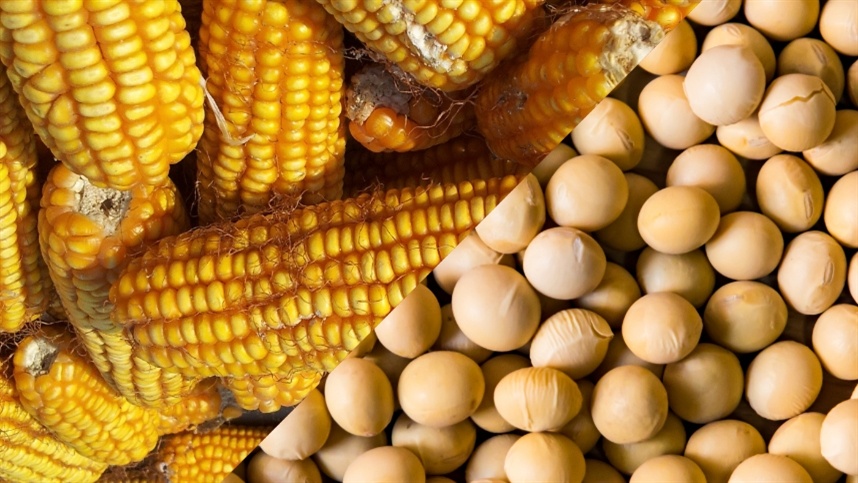
Corn

Data from Deral indicates that the second corn crop requires attention due to recent weather variations. This week's report pointed to a slight worsening of field conditions, resulting from the first frosts recorded in Paraná, which caused localized damage to crops located mainly in the southern region. The index of areas considered to be in "good condition" decreased from 84% to 82%, while crops in fair condition fell to 13% and those classified as "poor" increased from 4% to 5% of the total area.
“Although some producers report losses, the overall production conditions in the state as a whole have not suffered significant losses so far. This is because cultivation is concentrated in the northern and western regions of Paraná, where, unlike the southern region, climatic effects such as frost do not occur,” explains Deral analyst Edmar Gervasio.
According to Deral, the northern region accounts for approximately 35.7% of the total area of corn crops in the state, just over 1 million hectares. In western Paraná, there are approximately 933,000 hectares.
Beef

Photo: Shutterstock
In the animal protein sector, beef cattle farming showed a growth of 15% in national beef exports in the four-month period. However, the greater domestic supply of animals to slaughterhouses pressured prices, keeping the arroba (unit of weight) down by 2.72% in the month, trading at an average of R$ 343.00 in Paraná. The report points to the need for attention to the cold weather, which affected pastures and may still have some impact on pricing due to the cost to the producer.
Chicken

Photo: Shutterstock
In April, the average nominal price paid to producers for live chickens closed at R$ 4.62/kg, a value that was below the average cost of producing the bird, estimated at R$ 4.70/kg. As the bulletin points out, the financial pressure on the activity stems from the recent increase in basic animal nutrition inputs, such as wholesale corn (R$ 63.58 per 60 kg bag) and soybean meal (R$ 1,885.50 per ton).